Uzbekistan plans to invest $1.6 billion in nine logistics centers
Read more
UzDaily
uzdaily.uz

Uzbekistan plans to invest $1.6 billion in nine logistics centers

According to the press service of Uzbekistan President Shavkat Mirziyoyev, the country intends to build nine logistics complexes with a total cost of $1.6 billion.

The President instructed regional governors and other officials responsible for implementing these projects to begin their execution. The government plans to exempt these facilities from land and property taxes, and the complexes themselves must meet modern standards.

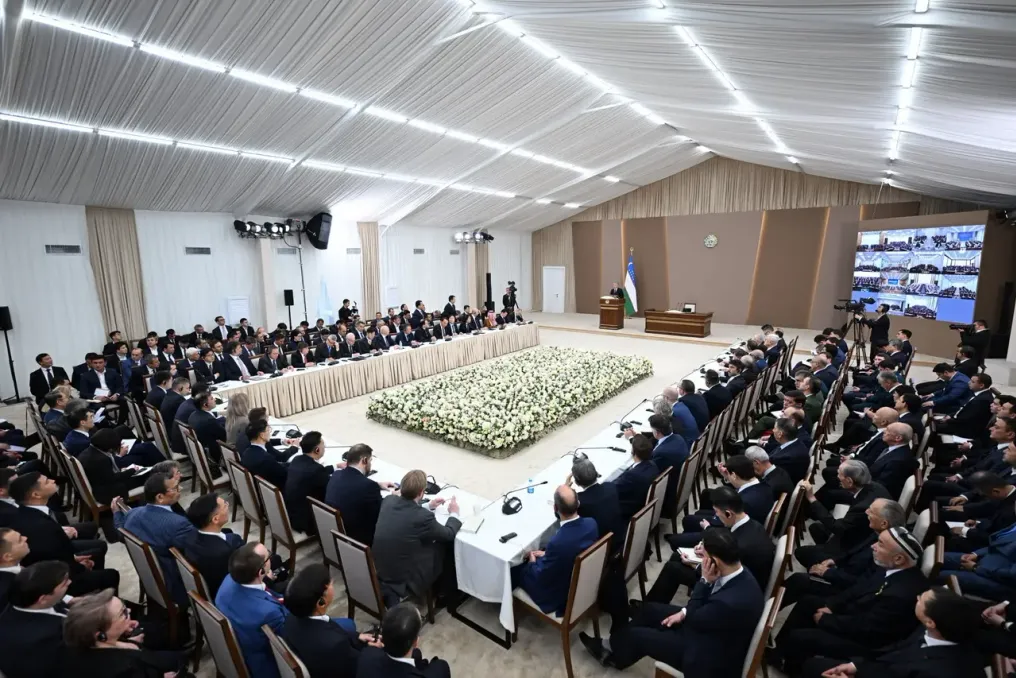
During a meeting with representatives of the transport and logistics business, Mirziyoyev also set the goal of increasing the country's logistical potential to 80 million tons by 2036. This meeting took place at the Uzavtoyul Scientific and Practical Center.

Mirziyoyev noted that Uzbekistan is capable of becoming a 'dry port' connecting East and West, as well as North and South, adding that the potential of the Middle Corridor is not yet being utilized to its full extent. Developing freight transport along this route will be one of the priorities.

Uzbekistan intends to start negotiations with Turkmenistan, Azerbaijan, and Georgia regarding the mutual recognition of electronic consignment documents. Furthermore, the government plans to organize composite trains to ports on the Caspian, Black, and Baltic Seas, as well as in the East China Sea. Information on these routes will be provided to business representatives.

The districts and cities of Khanabad, Alat, Termez, Akhangaran, and Yangiyul have received special designations in the field of transport and logistics. Previously, at the beginning of July, a proposal to specialize six districts in transport and logistics was presented at a presidential meeting, and it was also planned to allocate 300 hectares of land in these districts for logistics centers and open annual credit lines totaling $200 million.

In October, Mirziyoyev approved the goals for developing the transport sector until 2030 and the corresponding measures to achieve them. This decree provides for the specialization of five cities and districts in the field of logistics, as well as establishing tax benefits until 2040 for high-class dry ports.

Also at the Organization of Turkic States summit at the end of October, Mirziyoyev addressed the issue of the Middle Corridor, proposing its development into a unified economic system and the creation of a common network of logistics complexes.
Similar stories

Uzbekistan aims to increase tungsten production to 1,700 tons by 2027
Read more
uzdaily.uz

Uzbekistan aims to increase tungsten production to 1,700 tons by 2027

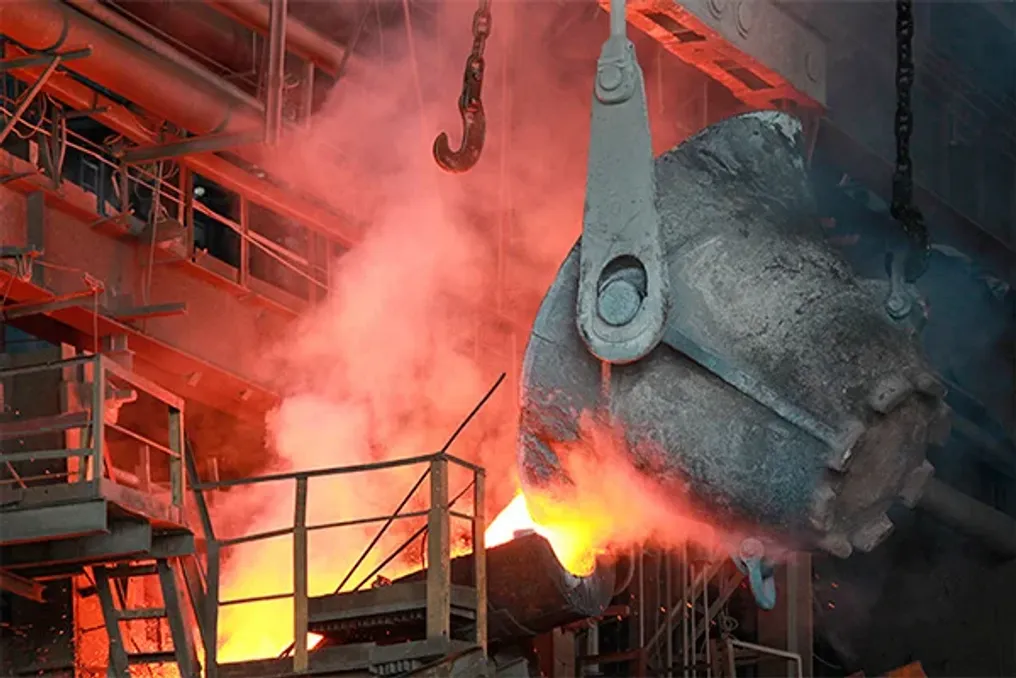
The Ministry of Economy and Finance of Uzbekistan announced plans to increase the production of tungsten products to 1,700 tons by 2027. This figure is 4.9 times higher than the projected volume for 2026.

According to the ministry, achieving this goal will be ensured by expanding production capacities, implementing new technological projects, and strengthening the raw material base, as the industry shows significant growth.

At the beginning of 2026, production was 53.4 tons, and by October it reached 230.9 tons. It is expected that by the end of the current year, the total production volume will reach 350 tons. The planned target for January–October was met at 163%, with output increasing 6.4 times compared to the same period in 2025.

The forecast for meeting the annual plan for 2026 is 193.7%, with an expected production growth of 6.6 times year-on-year.

Exports of tungsten products for January–October 2026 amounted to 123.6 tons worth 27.6 million US dollars. This is 5.3 times more than the same period in 2025 and 3.5 times higher than the target for January–October 2026. In 2025, exports reached 42.4 tons amounting to 3.1 million US dollars.

The ministry presented plans for expanding production capacities. It is expected that the capacity of the fine grinding plant will increase from 300 to 500 tons, and the hydrometallurgical workshop at the Rare Metals and Hard Alloys Plant in Chirchiq will be expanded from 750 to 2,500 tons.

Raw material supplies under the 'Red Persimmon' project are planned to increase from 650 tons in 2026 to 2,500 tons in 2027. The Sarykul tungsten mine in the Nurabad district of Samarkand region has a capacity of 2,200 tons of tungsten concentrate.

In addition, the plans include commissioning new enterprises specializing in the processing of tungsten concentrate: hydrometallurgical and pyrometallurgical plants.

policy
Uzbekistan plans to purchase materials worth $2.2 billion for the NPP in Jizzakh region
Read more
uzdaily.uz

Uzbekistan plans to purchase materials worth $2.2 billion for the NPP in Jizzakh region

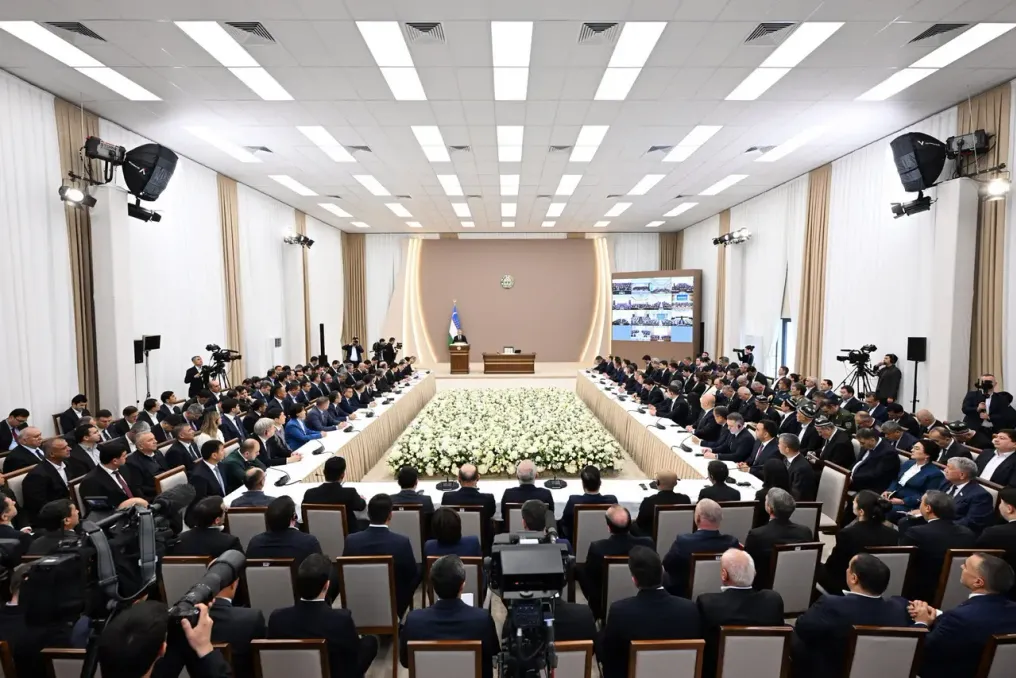
President of Uzbekistan Shavkat Mirziyoyev announced that approximately $2.2 billion will be required to purchase construction materials for the nuclear power plant project in the Jizzakh region. This information was shared during his meeting with representatives of businesses and investors in the construction and tourism sectors.

A special industrial zone covering 200 hectares has been planned in Egizbelok to supply the necessary products. It is anticipated that production facilities capable of manufacturing 70 different types of materials and products for the NPP construction will be located on this site.

Mirziyoyev instructed officials to assess the demand for import-substituting products needed for major industrial and infrastructure projects. Based on the data obtained, a list of sectoral initiatives totaling $20 billion will be prepared. Furthermore, starting in 2027, $200 million is allocated for developing the production of new high value-added construction materials. Financing will be provided at an annual interest rate of 6% with a two-year grace period.

Companies will also receive compensation covering 10% of the costs for energy-saving equipment, with the maximum subsidy limited to 1 billion soms. During the same meeting, the president announced plans to build a paint and coating production plant owned by the Turkish company Betek near Tashkent and directed an improvement in the quality of domestic building materials.

The Uzbekistan NPP project includes the construction of two large-capacity power units and two small modular reactors. In September 2025, Uzatom and Rosatom agreed on the configuration of the integrated station. The project involves two power units equipped with VVER-1000 Generation III+ type reactors and two units with RITM-200N reactors, each with a capacity of 55 MW. The total installed capacity of the station is expected to exceed 2.1 GW, of which 2 GW belongs to the large NPP and 110 MW to the small NPP.

Earth excavation work at the site in the Jizzakh region began in October 2025 to prepare the pit for the power unit with the RITM-200N reactor. Initial concrete works at the site started in March 2026. According to Uzatom data, at this stage, foundation preparation for the reactor building, including waterproofing and grounding system, was underway.

On June 4, 2026, a ceremony marking the start of construction of the integrated NPP took place in the Farish district of the Jizzakh region, where the first power unit was laid and the first concrete was symbolically poured. In early September 2026, Mirziyoyev instructed officials to increase the share of local production in the NPP project to 30%. The head of Uzatom, Azim Ahmedkhojav, stated at that time that plans were being developed to create an industrial zone in the Farish district for the production of construction materials for the nuclear industry.

In August 2026, the president also announced the start of large-scale preparations for the second nuclear power plant in Uzbekistan. Later, on September 8, Serbian President Aleksandar Vučić stated at a business forum in Belgrade that Uzbekistan is considering attracting Chinese partners to the new nuclear project.

Uzbekistan and Oman set goal to increase trade turnover to $1 billion
Read more
podrobno.uz

Uzbekistan and Oman set goal to increase trade turnover to $1 billion

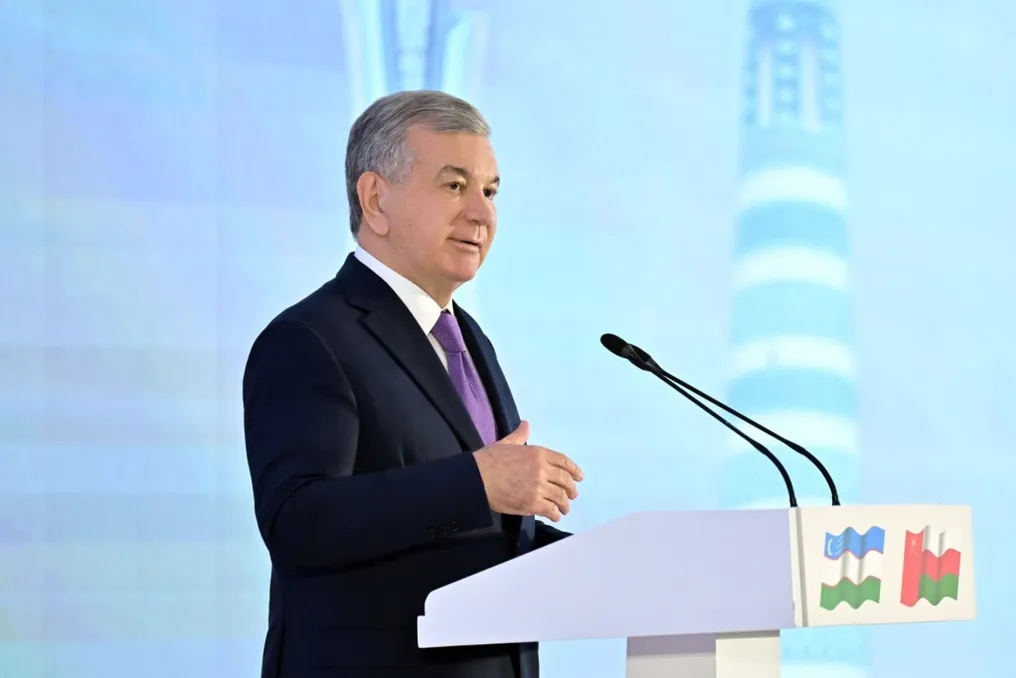
Uzbekistan and Oman have set an ambitious goal to increase the volume of mutual trade to one billion dollars. President Shavkat Mirziyoyev announced this during the opening of the Uzbek-Omani business forum held in Muscat.

Representatives from both countries participated in the event, including Omani Deputy Prime Minister Zeizain bin Haimsa Al Said, as well as leaders of major corporations and financial institutions. Mirziyoyev noted significant growth in trade this year but acknowledged that the economic potential of both sides has not been fully realized.

During the visit, a complex of joint initiatives was formed, the total value of which is estimated at 5 billion dollars. The President emphasized the importance of practical results rather than just the number of signed agreements and proposed five key areas for development: industrial cooperation, transport and logistics, modern urban planning and tourism, utilization of mineral resources, and finance and digital technologies.

In the field of electrical engineering, an agreement was reached with Omani partners on the joint production of cable and transformer products for subsequent export to neighboring states. Regarding logistics, the need to create infrastructure in Sohar and implement a unified trade and logistics platform, as well as increasing the number of flights and establishing cargo transportation, was discussed.

It was noted that Omani investors are participating in the New Tashkent project, where the 'Muscat' quarter is planned to be created. Furthermore, joint plans were developed in the fields of chemical industry and geological exploration, and work is underway to create a joint venture for launching satellites.

Shavkat Mirziyoyev invited Omani entrepreneurs to participate in Uzbekistan's promising projects and guaranteed support to any investor. In turn, Uzbek companies were recommended to actively enter the Omani market. It was previously reported that following high-level meetings in Muscat, Uzbekistan and Oman signed more than thirty bilateral documents, including an agreement on strategic partnership that elevates bilateral relations to a qualitatively new level.

Popular