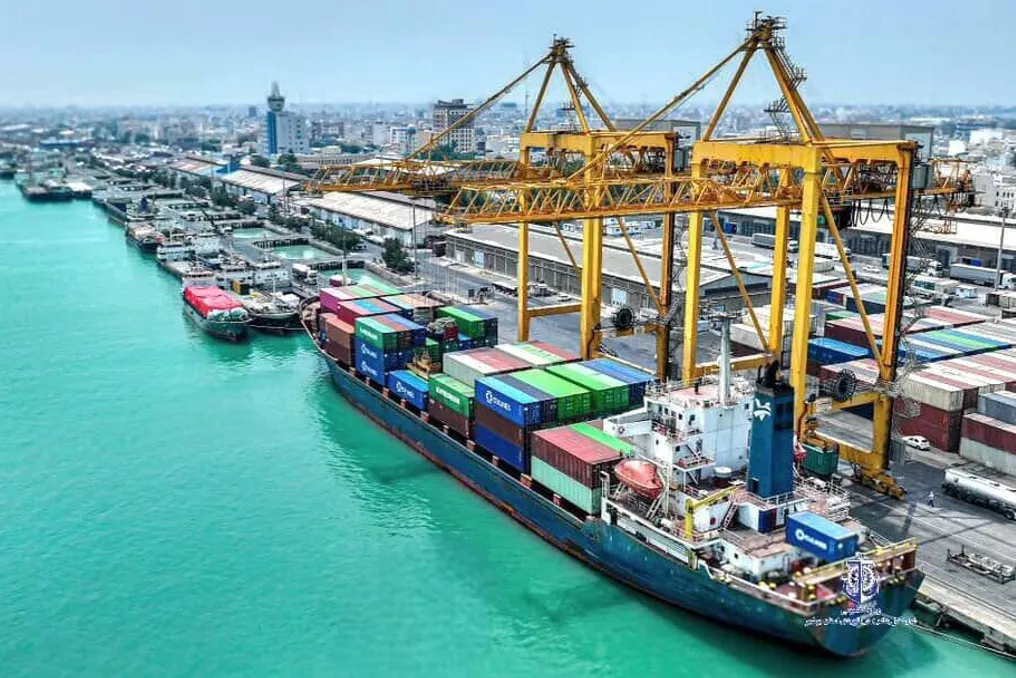
Plans to increase the cargo capacity of Bushehr Port to 15 million tons
Read more
Tehran Times
www.tehrantimes.com

Plans to increase the cargo capacity of Bushehr Port to 15 million tons

The Director General of the Port and Maritime Organization announced plans to expand the loading and unloading capabilities of Bushehr Port to a volume of 15 million tons. He emphasized that creating the appropriate infrastructure is necessary to achieve this goal.

According to a report by Mehr News Agency, Mohammad Shakibi-Nasab, head of the Port and Maritime Organization, highlighted the need for long-term planning for the development of Bushehr Port. He believes that providing and annexing adjacent lands to the port area is one of the conditions for creating port infrastructure that matches the economic and maritime potential of the province.

Shakibi-Nasab noted that the development of Bushehr Port should not be limited to its current zone. He stated: 'By anticipating and providing suitable adjacent lands, the foundation must be laid for developing port infrastructure that corresponds to the economic and maritime capabilities of the province in the long term.'

In a statement from the Port and Maritime Organization, Shakibi-Nasab added, referencing the historical and maritime position of Bushehr province, that the port's development must be carried out with an anticipatory approach and with the aim of creating sustainable infrastructure for future generations.

Emphasizing the importance of the proper placement of the logistics village outside the Negin port complex, he continued: 'Given that this complex has an industrial zone and potential for developing production, industrial, and packaging activities, the logistics village must be located in a way that does not hinder the maximum utilization of the port's industrial and economic capacities.'

In conclusion, the Deputy Minister of Road and Urban Development also stated that securing the necessary land area and creating adequate infrastructure are prerequisites for implementing the plan to increase the cargo capacity of Bushehr Port to 15 million tons.
Similar stories

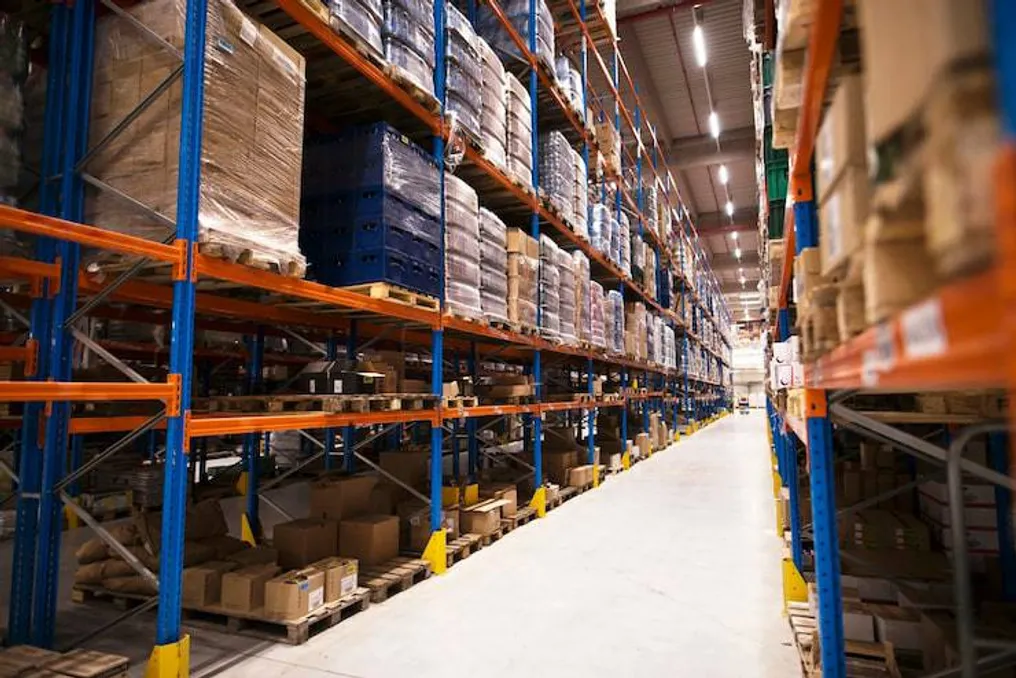
EBRD assesses warehouse infrastructure deficit in Uzbekistan, stating the need to increase volumes tenfold
Read more
podrobno.uz

EBRD assesses warehouse infrastructure deficit in Uzbekistan, stating the need to increase volumes tenfold

According to the Eurasian Development Bank (EDB), the volume of warehouse infrastructure in Uzbekistan requires a significant increase—approximately tenfold—to reach the target of 7.5 million square meters. Currently, according to the bank's data, the country has less than one million square meters of warehouse space.

Discussion of Infrastructure Deficit

EDB Board Chairman Nikolay Podguzov and Deputy Board Chairman Alexey Skatin shared this data during a press briefing, answering questions from Podrobno.uz correspondents. Podguzov emphasized that Uzbekistan's rapid economic growth, reaching almost 8%, creates increased demand for logistics infrastructure, with the shortage of Class A warehouses being the most acute.

In response to an inquiry about the dynamics of deficit reduction and current data on warehouse types, bank representatives outlined their plans. EDB plans to continue investing in logistics projects. Specifically, Podguzov mentioned the possible creation of a joint logistics hub for storing and distributing auto parts with the company ADM. Furthermore, the bank is negotiating with a major Uzbek retail chain interested in expanding its warehouse capacity.

Sources of Demand and Development Prospects

Alexey Skatin added information, specifying that to meet the needs of Uzbekistan's developing economy, approximately 7.5 million square meters of warehouse space are required. He highlighted three key factors stimulating demand for new warehouses. The first is the rapidly growing retail sector, which attracts new market participants and trade networks. The second factor is the development of e-commerce, which, according to the bank's forecast, may account for about half of the total required warehouse space.

The third factor, according to Skatin, is related to Uzbekistan's geopolitical position at the crossroads of West-East and North-South transit routes. Modern warehouse complexes and dry ports are necessary for the effective servicing of transit cargo flows in the country. It was previously noted that Uzbekistan is among the countries in the Eurasian region expected to demonstrate some of the highest rates of warehouse infrastructure growth by 2040. An EDB study shows that by that time, the volume of warehouse space in the country will increase by approximately 7.5 times—from 0.64 to 4.87 million square meters.

Popular