Uzbekneftgaz will begin drilling wells to eliminate the consequences of the accident at the Baizun gas field
Read more
UzDaily
uzdaily.uz

Uzbekneftgaz will begin drilling wells to eliminate the consequences of the accident at the Baizun gas field

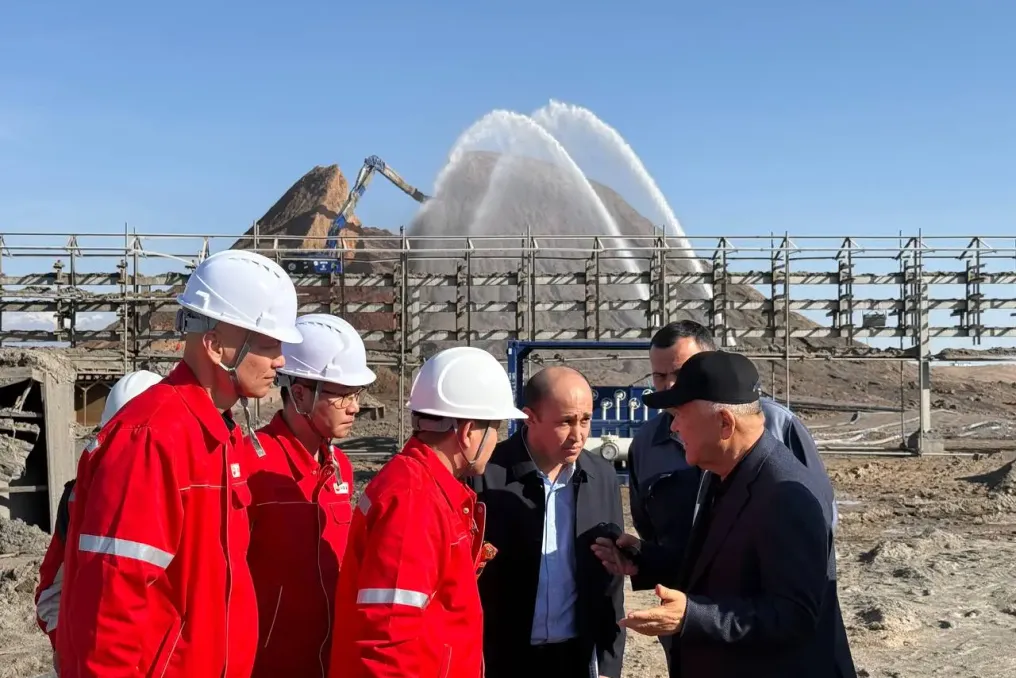
The Chairman of the Board of Uzbekneftegaz, Abdugani Sanginov, visited the Baizun gas field, which is celebrating 25 years of independence, where work continues to eliminate the consequences of the industrial incident.

During the visit, he familiarized himself with the current progress of the work, the measures being taken by foreign specialists, as well as plans for subsequent stages of activity, according to the company's information service.

After the inspection, it was ordered to begin drilling wells to eliminate the consequences by the end of 2026, according to the accident response plan. All stages of work must be completed within the established deadlines, in accordance with technical requirements and safety standards.

Sanginov also inspected existing gas emissions, known as griffons, at the field. The main objectives include reducing their environmental impact, ensuring ecological safety, and efficient utilization of natural gas reserves.

The work is being carried out in collaboration with specialists from CNPC Chuanqing Drilling Engineering Company Limited (CCDC), which is part of the Chinese corporation CNPC.

Uzbekneftegaz expects that the sequential implementation of the planned measures will fully resolve the consequences of the industrial incident, ensure safety at the site, and resume natural gas production. To achieve this, the company plans to coordinate the activities of all responsible divisions and foreign partners to complete all measures on schedule.

Similar stories

Benzine reserves for two months created in Uzbekistan to prevent winter shortage
Read more
podrobno.uz

Benzine reserves for two months created in Uzbekistan to prevent winter shortage

Uzbekneftegaz has ensured the formation of gasoline reserves for the winter period, calculated for two months. In case of increased consumer demand, the company is ready to significantly increase fuel supply volumes on the exchange.

According to the company's information, 102 thousand tons of gasoline have been accumulated at oil depots and the Bukhara Refinery. This volume exceeds last year's indicator by 25 thousand tons. Currently, Uzbekneftegaz offers 4.6 thousand tons of fuel daily on the exchange, of which 4.3 thousand tons are AI-92.

If demand increases, supplies can first be increased to 8 thousand tons per day, and then up to 10 thousand tons. Such a need may arise in cold weather, as the operation of methane fueling stations is temporarily restricted during periods of low temperatures, which prompts drivers to use gasoline more often.

Company representatives also noted that rumors about the potential closure of methane gas stations are prompting some fueling stations to purchase larger quantities of gasoline in advance. This, in turn, stimulates demand and affects exchange prices. At the same time, the base price of fuel offered by Uzbekneftegaz for trading remained unchanged since April and amounts to 14 million soums per ton.

Earlier, the Ministry of Energy clarified that AI-80 gasoline, which appeared on the exchange, is intended exclusively for industrial processing needs and will not be available for free sale at regular gas stations.

Uzbekneftegaz plans to produce 1.1 million tons of gasoline in 2026
Read more
uzdaily.uz

Uzbekneftegaz plans to produce 1.1 million tons of gasoline in 2026

According to the company's press service, Uzbekneftegaz intends to produce 1.1 million tons of gasoline in 2026. Furthermore, the company has formed reserves of 102,000 tons to meet the domestic market's needs during the winter period.

Since the beginning of the current year, the Bukhara refinery has produced 916,100 tons of gasoline. This figure corresponds to 101% of the planned volume and exceeds the output for the same period last year by 1%.

It is planned that 103,300 tons will be produced in November, which is higher than 87,200 tons in November 2025. It is expected that in December, production volume will reach 123,100 tons, compared to 90,000 tons the previous year.

These figures will lead to a total annual production of 1.1 million tons, which is 7% more than in 2025, when the company produced 1.0306 million tons of gasoline.

Currently, the plant produces an average of 3,200–3,400 tons of gasoline daily, whereas in 2025, the average daily output was about 2,800 tons.

To maintain stable supplies in winter, the plant and the company's fuel depots have accumulated joint reserves of 102,000 tons. This is 25,000 tons more than in the same period last year, when reserves were 77,000 tons. The company estimates that the existing reserves are sufficient to cover two months of consumption.

Uzbekneftegaz is also preparing for a possible increase in gasoline demand during cold weather. A potential temporary suspension of methane fueling stations in winter may lead to an increase in gasoline consumption.

In case of increased demand, the company is ready to increase the volume of gasoline offered for exchange trading to 8,000 tons per day, and up to 10,000 tons if demand increases further.

However, domestic supply to the market does not depend solely on Uzbekneftegaz. Private companies importing fuel from abroad provide a significant share of supplies. According to the company, imports of gasoline by private market participants have sharply decreased since June 2026.

In October, imports provided 5,500 tons of gasoline to the domestic market. Currently, Uzbekneftegaz offers 4,600 tons of fuel for exchange trading daily, including 4,300 tons of AI-92 gasoline. In 2025, the company's average daily offer was about 2,200 tons.

To meet seasonal demand and prevent possible shortages, the company is also taking steps to import finished gasoline through enterprises of its group.

Uzbekneftegaz separately commented on the impact of unconfirmed social media reports regarding possible restrictions on methane fueling stations in winter. The company noted that such publications heighten concerns among private gas station operators regarding potential fuel shortages.

As a result, some operators are trying to purchase additional volumes of gasoline in advance and build their own reserves. This increases the number of buyers and demand in exchange trading, which may put upward pressure on prices.

Meanwhile, the starting price of gasoline offered by Uzbekneftegaz on the exchange remained unchanged since April—14 million sums per ton, despite daily fluctuations in global oil prices.

The company urged market observers to consider not only production volumes and existing reserves when assessing price trends, but also buyer activity, seasonal expectations, and the influence of social media messages on demand.

Uzbekneftegaz stated that it is taking necessary measures within its competence to ensure uninterrupted supply of quality gasoline to the population during the winter period.
Popular