Uzbekistan and Tajikistan to abolish duties for trucks carrying specific cargo
Read more
UzDaily
uzdaily.uz

Uzbekistan and Tajikistan to abolish duties for trucks carrying specific cargo

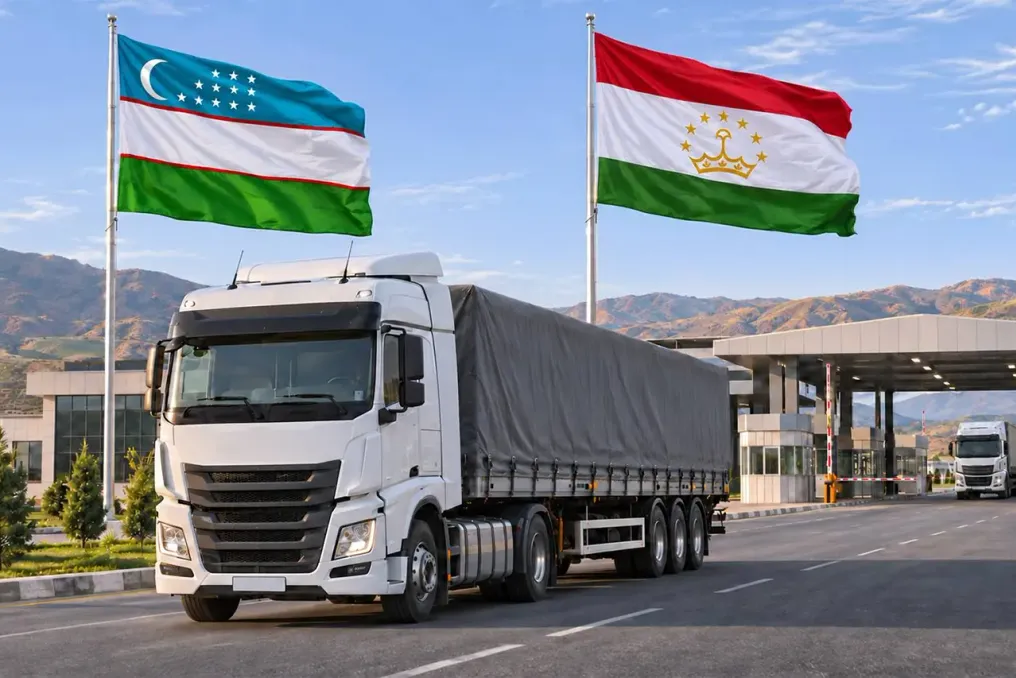
Uzbekistan and Tajikistan have reached an agreement to exempt freight vehicles transporting certain construction materials and mineral products from road and terminal fees.

The Ministry of Investment, Industry and Trade of Uzbekistan reported that the new conditions will come into force on December 1, 2026. These agreements were reached during negotiations by working groups representing the authorized organizations responsible for trade and transport in both countries.

The parties discussed issues of increasing cargo volumes, reducing transportation costs, and expanding bilateral trade.

According to jointly agreed quotas for free transit permits, trucks transporting cement, clinker, magnetite, limestone, and loess will be exempted from road charges. This measure also applies to vehicles carrying coal and salt.

Furthermore, starting December 1, trucks passing through Tajikistan will also be exempt from terminal fees.

During the negotiations, the goal of increasing trade turnover between the countries to 2 billion US dollars by 2030 was also addressed. The parties discussed the implementation of agreements adopted at the 13th meeting of the Intergovernmental Commission, which took place on February 17, 2026.

For the practical implementation of these agreements, both sides plan to approve a joint roadmap and establish regular information exchange between the relevant ministries and agencies.

Similar stories

Uzbekistan clarifies payment rules for e-commerce couriers
Read more
uzdaily.uz

Uzbekistan clarifies payment rules for e-commerce couriers

The National Agency for Advanced Projects of Uzbekistan reported that the changes to payment rules for e-commerce participants, effective December 12, 2026, do not introduce fundamentally new requirements for drivers and couriers.

The agency noted that this clarification was made following media and social media reports that presented the existing payment procedure as some new requirement.

These changes are enshrined in Law No. ZRU-1173 of September 10, 2026, which amends the E-commerce Law. The document supplements Article 23 with provisions concerning settlements through separate bank accounts and e-wallets.

Under the new rules, e-commerce operators, sellers who are legal entities or individual entrepreneurs, as well as self-employed sellers and service providers, are obliged to carry out payments related to e-commerce through special bank accounts. Individual entrepreneurs and self-employed persons also have the right to use e-wallets.

This requirement also applies to self-employed individuals who deliver goods, perform work, or provide services on order, as well as those who transport passengers in private cars.

Income received by self-employed individuals from e-commerce activities must be recorded in a separate bank account or an e-wallet linked to their bank card.

The law also grants self-employed individuals the right to accept payments from third parties, including sellers. Furthermore, they can pre-fund a separate account or e-wallet for subsequent payments to suppliers or e-commerce operators.

If the buyer pays for the goods in cash upon receipt, the courier may withhold this amount up to the amount already transferred to the supplier from a separate account or e-wallet. For example, if the buyer gives the courier 100,000 soms, and the courier transfers the same amount to the seller from their separate account, the cash received does not require banking deposit.

The agency emphasized that the main provisions of this procedure have been in effect since July 1, 2025. They were introduced by Cabinet of Ministers Decree No. 885 of December 26, 2024, on the further development of e-commerce.

The new law establishes these norms at the legislative level and supplements them with provisions on the use of e-wallets and acceptance of payments from third parties. Consequently, the payment procedure for drivers and couriers will not undergo fundamental changes as of December 12, 2026. The agency strongly urged the media and bloggers to rely on official sources when covering legislative changes and to take into account previously applicable norms.

Uzbekistan to offer tax incentives for importers of freight wagons and reduce tariffs on railway infrastructure
Read more
uzdaily.uz

Uzbekistan to offer tax incentives for importers of freight wagons and reduce tariffs on railway infrastructure

Uzbekistan plans to introduce tax incentives for the import of freight wagons and provide discounts on the fee for using railway infrastructure as part of new support measures for enterprises in the railway sector.

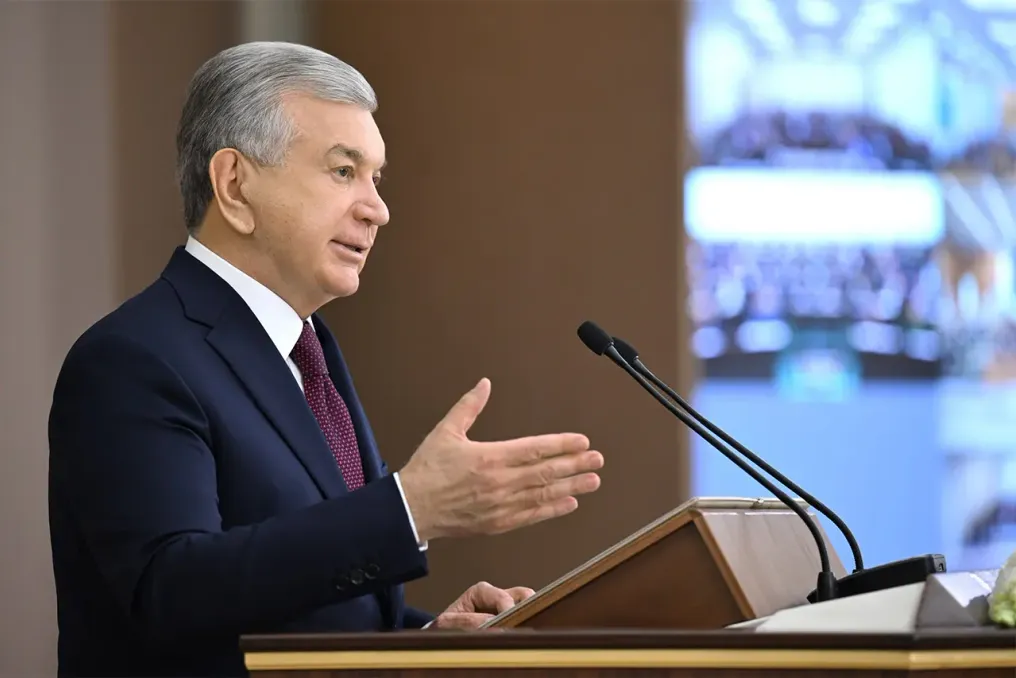
President Shavkat Mirziyoyev announced these measures through his press secretary. Speaking at a meeting with representatives of the transport and logistics business at the Uzavtoyul Scientific and Practical Center, Mirziyoyev noted that the demand for freight wagons is increasing annually. To meet the needs of carriers, the country must increase its wagon fleet by 5,000–6,000 units every year.

Measures aimed at stimulating the renewal and expansion of the fleet include exempting imported freight wagons from value-added tax (VAT). Additionally, enterprises will receive discounts of up to 20% on fees for using railway infrastructure. A zero VAT rate will apply when domestic wagons are used for international transport.

New tariff policy starting in 2027

Mirziyoyev also announced the development of a new tariff policy for railways jointly with the World Bank. Responsible agencies have been instructed to begin the phased implementation of this policy in 2027.

This reform provides for the creation of a system where tariffs will be listed separately for each service. Calculations for the use of railway infrastructure, locomotives, and wagons will be made separately. This approach is expected to clearly separate the components of costs for rail transport and make the tariff system more structured.

Uzbekistan plans to exempt import of freight wagons from VAT and introduce benefits for logistics companies
Read more
podrobno.uz

Uzbekistan plans to exempt import of freight wagons from VAT and introduce benefits for logistics companies

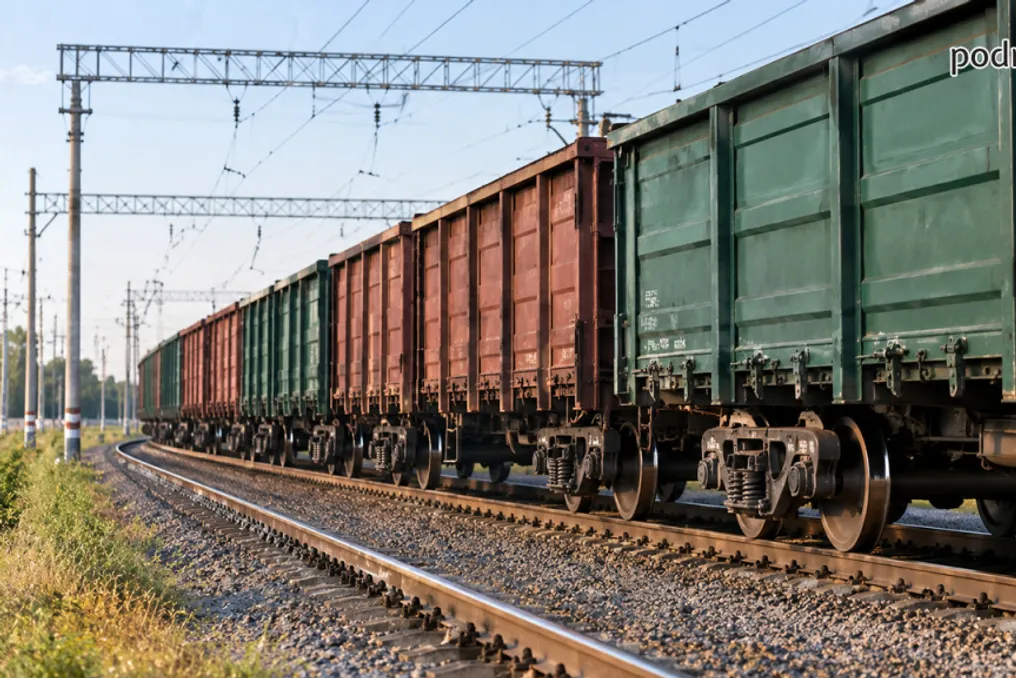
Uzbekistan is considering the possibility of exempting the import of freight wagons from value-added tax (VAT). In addition, discounts of up to 20% are provided for enterprises that use railway infrastructure.

These plans were announced during a meeting between President Shavkat Mirziyoyev and representatives of the transport and logistics sector, including investors and entrepreneurs. At this meeting, it was noted that the demand for freight wagons is constantly increasing, requiring the annual purchase of an additional five to six thousand units.

A zero VAT rate will also be introduced when using domestic wagons for international cargo transportation. Furthermore, starting in 2027, Uzbekistan intends to gradually implement a new tariff policy developed in collaboration with the World Bank. This policy involves detailed specification of fees for the use of railway tracks, locomotives, and wagons for each specific route.

In parallel, the country plans to actively develop its railway network. By 2030, the construction of 545 kilometers of new railway lines, increasing the share of electrified tracks to 65%, and expanding the fleet of electric trains to 31 units are planned. The total cost of these railway initiatives is estimated at eight billion dollars.

The implementation of these projects is driven by the expected significant increase in cargo transportation volumes after the opening of the China – Kyrgyzstan – Uzbekistan railway. Forecasts suggest that the volume of transport could increase tenfold, reaching 15–16 million tons annually. It should be noted that road infrastructure development projects in Uzbekistan, with a total cost of 6.5 billion dollars, are being carried out with the support of international financial institutions.

Popular