The Acting Minister of Oil, Hamid Bavard, presented the ministry's latest measures aimed at restoring damaged facilities, increasing gas production, and collecting associated/flared gas. He reported that approximately 106 million cubic meters of gas per day (mkm/day) has currently been returned to the production cycle.
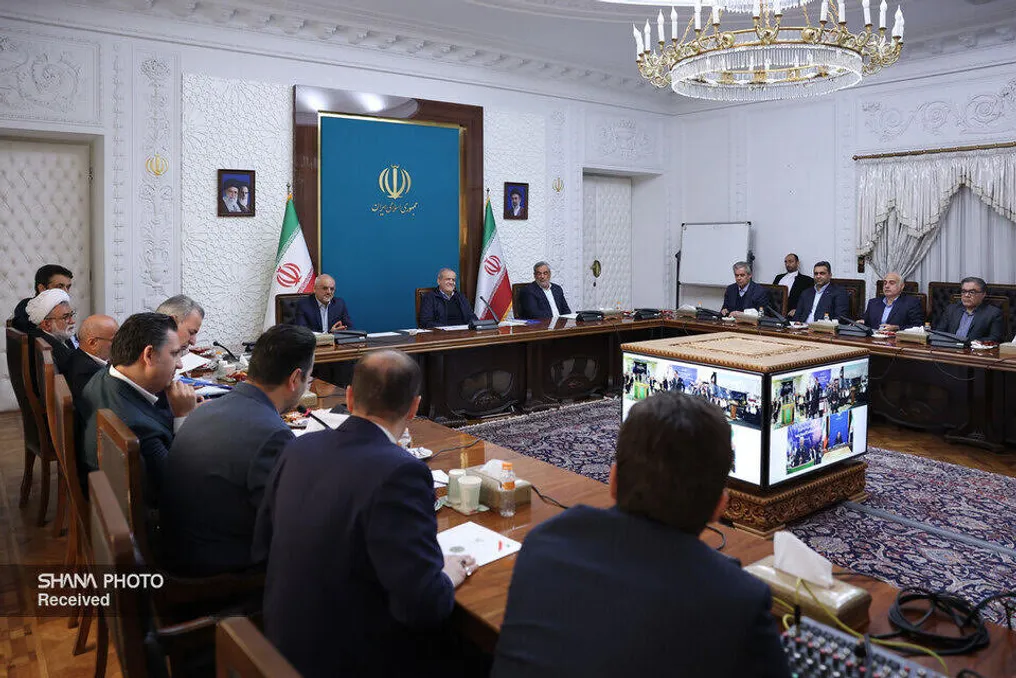
Speaking at an online ceremony for the opening of the Ministry of Petroleum Development projects, attended by President Masoud Pezeshkian, Bavard thanked the president for his support and highly praised the work of oil and gas industry workers and Basij forces for maintaining production and repairing damaged facilities under difficult conditions.
Bavard noted that after damage to parts of South Pars facilities, the ministry adjusted its priorities starting from Esfand 1404. In addition to reconstruction, attention was paid to increasing output from other capacities, collecting associated gas, and accelerating project implementation.
He specified that about $350 million, equivalent to 70 trillion Tomans, has been allocated to these programs. Bavard added that increased sanctions have not weakened the determination of leaders and employees in the oil and gas industry, as needs were met, and projects were implemented using domestic capabilities and workload distribution among various units.
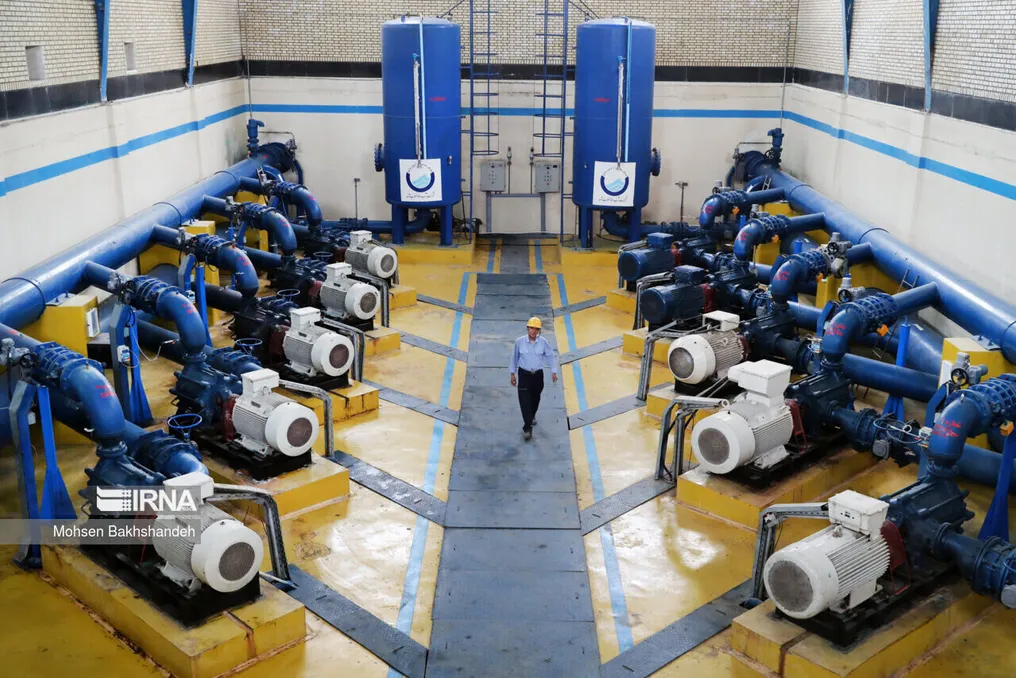
Regarding two ground projects opened online, Bavard recalled that the oil and gas industry's promise last year to become a major project site was hindered by military conditions and equipment damage. However, the projects presented today demonstrate ongoing efforts. The first project is the Homa gas field pressure boosting station, which supplies raw materials to the Parsian gas processing plant. This facility increases gas capacity by approximately 7 mkm/day with investments of about 126 million euros, most of which was made using domestic technical and engineering expertise.
The second project is the Tabnak gas field separation center. Bavard stated that Tabnak currently produces about 33 mkm/day, and without this center, output could drop to 26–28 mkm/day in 1406. The project prevents such a decline and allows for an increase in output by approximately 2 mkm/day. After the pressure boosting station is completed, starting from 1409, the field will be able to produce 36 mkm/day over seven years. Investments in this project amounted to about 85 million euros, and it also ensures the production of about 1000 barrels of gas condensate.
Concerning South Pars, Bavard announced that the third refinery train No. 6, as well as trains No. 1 and No. 4 of Refinery No. 4, have been restored with the involvement of domestic manufacturers, specialized consultants, and technical expert opinions to ensure the possibility of repair and safe return of equipment to operation. In total, about 106 mkm/day of gas has returned to the production cycle, partially compensating for the decrease in production caused by the shutdown of the Phase 17 offshore line and Platform 14D.
In terms of associated gas collection, Bavard mentioned that projects in Marun-3 and Marun-5 for associated gas collection, pressure boosting, and purification were implemented with the participation of the private sector. These projects collect about 1 mkm/day of purified gas. Investments in them totaled about $46 million, and they are expected to generate about $22 million in annual revenue for the National Iranian Oil Company and create jobs for more than 140 local residents. He also mentioned the Darhovin associated gas transmission line to the NGL 3200 plant, designed with a capacity of about 100 million cubic feet per day and an investment cost of about $17.5 million; this line supplies raw materials to the plant, preventing gas flaring and hydrocarbon loss.
Bavard emphasized that the ministry's plan to reduce some gas imbalance in the coming weeks is being implemented along three fronts: restoration of damaged production capacity, increasing and stabilizing production from other gas fields, and collecting and economically utilizing gas that is still being flared. He stressed the use of all domestic capabilities to restore damaged facilities and maintain production, including supplying the petrochemical industry, which generates foreign currency, as well as addressing the president's concerns regarding the preservation and increase of petroleum product production. The minister stated that the ministry will continue to open or present projects monthly until the end of the year, including projects for refineries and associated gas collection, and praised the oil and gas industry workers for their round-the-clock efforts, which will continue until full capacity restoration and development program implementation.