The price range of R$150,000 to R$200,000 is considered one of the most competitive in the automotive market, offering a huge variety of options among the best SUVs. These models are powered by various energy sources: from pure internal combustion and hybrids to plug-in hybrids and fully electric variants, including compact and mid-size crossovers.
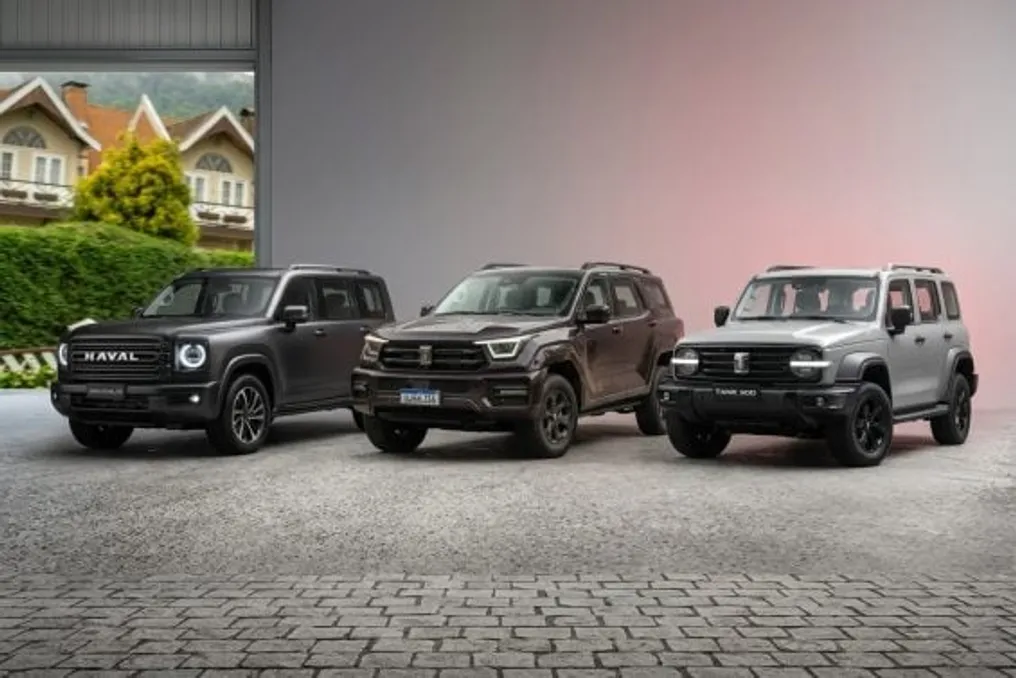
A mid-size SUV from the Chinese brand is manufactured in Iracemapolis (São Paulo state) and features a flexible fuel engine capable of accelerating from 0 to 100 km/h in 7.6 seconds. The Haval H6 boasts ample interior space, ADAS equipment across its entire lineup, as well as an improved interior design and dynamics compared to its debut in Brazil. The trunk capacity is 560 liters, and the warranty is seven years.
The main features of the One version include six airbags, ACC, front collision warning with emergency braking, automatic traffic crossing warning and braking, lane centering, blind spot detection, rear view assistance (replaying the last 50m), head-up display, road sign recognition, 540 camera with transparent chassis function, hill descent control, electrochromic mirror, 14.6-inch multimedia system with wireless mirroring, dual-zone automatic climate control, proximity key with start button, phone inductive charging, 10.25-inch digital instrument cluster, electrically folding mirrors, three USB-A ports and one USB-C, LED headlights, and 18-inch alloy wheels.
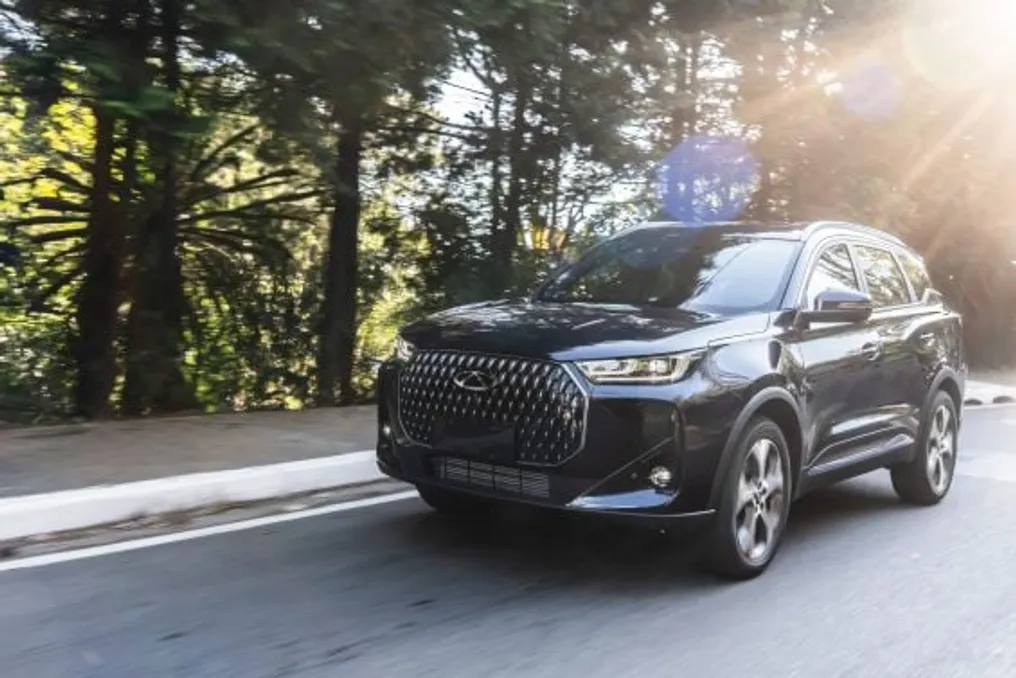
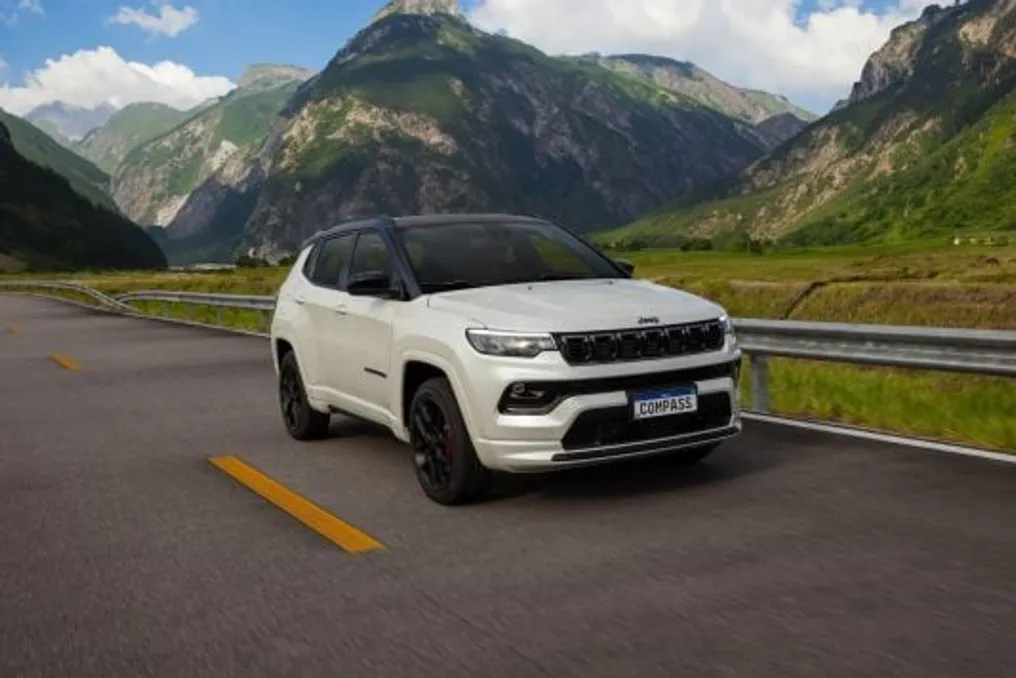
The mid-size sport wagon is a leader in its class and offers a good price-to-quality ratio in the intermediate version, although it lacks the mild-hybrid system available in more expensive configurations. It is equipped with important driver assistance systems, a reliable turbocharged flexible fuel engine, provides comfortable driving, and a spacious cabin. The factory warranty is five years.
The Longitude version includes six airbags, ACC, front collision warning with emergency braking, lane centering, automatic high beams, parking assist, road sign recognition, rearview camera, front and rear parking sensors, hill descent control, electrochromic mirror, 10.1-inch multimedia system with wireless mirroring and native GPS, dual-zone automatic climate control, proximity key with start button, phone inductive charging, 10.25-inch digital instrument cluster, auto hold function, USB ports, LED headlights, and 18-inch alloy wheels.
The Chinese SUV uses a PHEV hybrid system, which shows a city fuel consumption of 15.1 km per liter of gasoline, provides a range of 79 km in electric mode, and promises a total range of 1200 km. Charging the battery, which has a capacity of up to 6.6 kWh, takes three hours. The base Elite version already includes several semi-autonomous driving functions.
The Elite version is equipped with six airbags, ACC, front collision warning with emergency braking, lane departure warning, automatic high beams, rearview camera, front and rear parking sensors, hill descent control, electrochromic mirror, 13.2-inch multimedia system with wireless mirroring and native GPS, electric front seats, dual-zone automatic climate control, proximity key with start button, electric rear door with proximity sensor, phone inductive charging, 10.25-inch digital instrument cluster, auto hold function, USB ports, LED headlights, and 19-inch alloy wheels.
The Atto 2 model, which uses the same configuration as the Song Pro, was recently released with a more attractive price-to-quality ratio. The top GS version has an electric motor battery capacity of 18.03 kWh; the SUV is better equipped, has a larger multimedia screen, and a richer ADAS package, while the cost only increases by 3,000 reais. However, its trunk capacity is less than 300 liters.
The GS version includes six airbags, ACC, front and side collision warning with emergency braking, rear collision and lane departure warnings, lane keeping assist, blind spot detection, door ajar warning, road sign recognition, automatic high beams, 360 camera, front and rear parking sensors, hill descent control, 12.8-inch multimedia system with wireless mirroring and native Google Maps, automatic climate control, proximity key with start button, phone inductive charging, 8.8-inch digital instrument cluster, two USB-A ports and two USB-C ports, LED headlights, and 17-inch alloy wheels.
The Corolla Cross uses its well-known name to become one of the best SUVs in the R$150,000 to R$200,000 price segment. It performs well with a naturally aspirated direct injection engine and a CVT gearbox, which enhances cabin comfort. This model is known for simple technical support, competitive maintenance costs, and an extended warranty plan of up to 10 years. This version also received the Toyota Safety Sense driver assistance package.
The XRE version is equipped with seven airbags, ACC, front collision warning with emergency braking, lane keeping assist, automatic high beams, rearview camera, front and rear parking sensors, hill control, 10-inch multimedia system with wireless mirroring, automatic climate control, proximity key with start button, phone inductive charging, 12.3-inch digital instrument cluster, USB ports, LED headlights, and 18-inch alloy wheels.
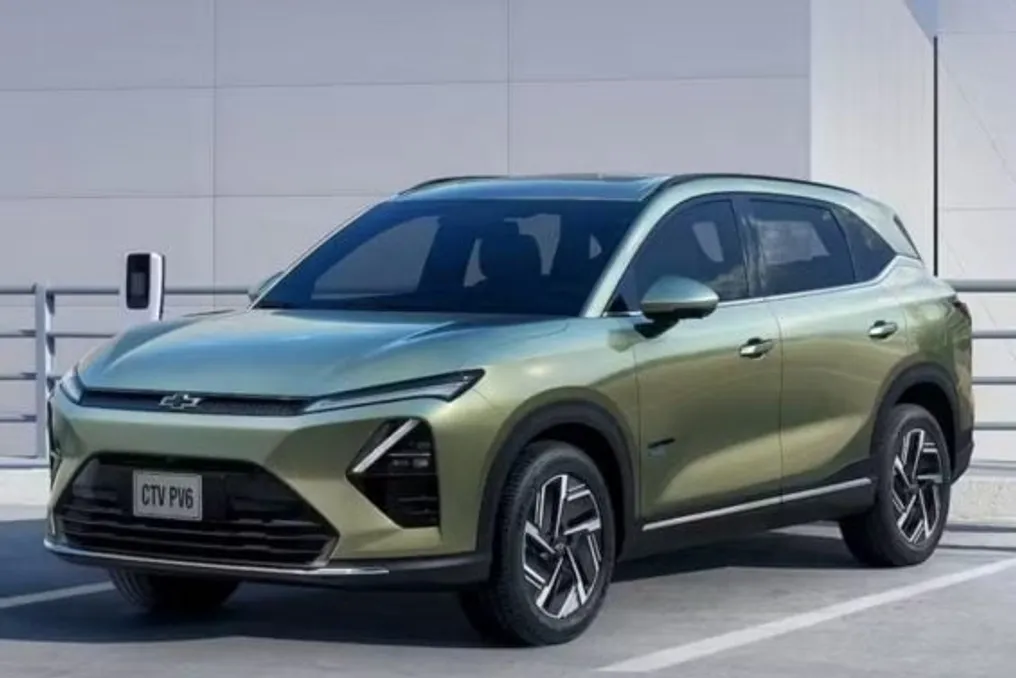
The plug-in hybrid version of the Chinese SUV recently appeared on the market with flexible fuel technology. It promises a city fuel consumption of 42.2 km/L and a total range of 1200 km. According to the Chinese-Brazilian manufacturer, the CS55 PHEV uses artificial intelligence to manage battery energy based on the driver's driving style. The warranty is seven years.
The PHEV version is equipped with six airbags, ACC, front collision warning with emergency braking, rear collision and cross-traffic warnings, lane centering assist, blind spot detection, road sign recognition, 540 camera with transparent chassis function, hill control, 14.6-inch multimedia system integrated into a 10.3-inch digital instrument cluster, dual-zone automatic climate control, proximity key with start button, remote start and parking, phone inductive charging, electric front seats, USB ports, LED headlights, and a panoramic roof with 19-inch alloy wheels.
Another Chinese brand is included in the list of best SUVs in the R$150,000 to R$200,000 price range. The S06 uses a PHEV system, and its feature is a 19.4 kWh battery. City fuel consumption can reach 32.5 km/L. The base Advance version offers interesting comfort features but does not include the ADAS package. The warranty is seven years.
The second generation Kicks has become more stylish, spacious, and comfortable. Although a more powerful engine than the 1.0 turbo from Horse could be used, 125 hp handles the task. The Japanese brand model has attractive service conditions for this category. The intermediate Exclusive version includes integrated multimedia with instruments and the Pro Pilot driver assistance package.
The main features of the Exclusive version include six airbags, ACC, front collision warning with emergency braking, lane departure warning, lane centering assist, fatigue detector, 360 camera, hill control, rear seat object warning, electrochromic mirror, 12.3-inch multimedia system with wireless mirroring integrated into a 12.3-inch digital instrument cluster, automatic climate control, proximity key with start button, phone inductive charging, USB ports, LED headlights, and 19-inch alloy wheels.
This vehicle has the most pronounced minivan design but confidently ranks among the best SUVs in the R$150,000 to R$200,000 price range. It is the only fully electric crossover in this price segment, equipped with a 63.2 kWh battery that powers an engine of over 200 hp and provides a range of 318 km (PBEV/Inmetro). Only the top Elite version receives ADAS functions.
Finally, the Creta is presented in the list of best SUVs in the R$150,000 to R$200,000 price range. It is spacious, has a five-year warranty, and reasonable maintenance costs for its segment, attracting attention with its impressive size. The top Platinum version with a 1.0 turbo engine offers the most favorable price-to-quality ratio within this line.