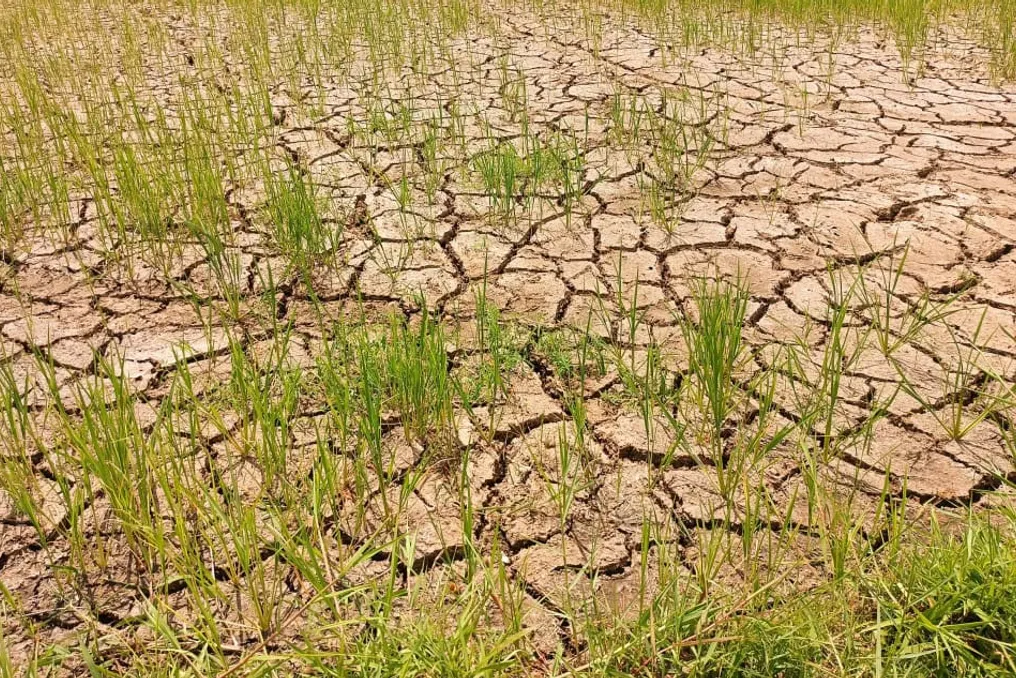
Study shows that parts of Brazil have lost up to 75 days of rainy season over three decades
Read more
Olhar Digital
olhardigital.com.br

Study shows that parts of Brazil have lost up to 75 days of rainy season over three decades

Research indicates that certain regions of Brazil have suffered from a decrease of up to 75 days in the rainy season over the last three decades. Concurrently, there has been an increase in the occurrence of extreme heatwaves across vast areas dedicated to agriculture.

These climatic phenomena have the potential to impact food production and jeopardize international supply networks, as detailed in a study released by the World Resources Institute (WRI).

The investigation analyzed the climatic transformations that occurred in the Amazon and the Cerrado during the period between 1993 and 2023. The work was conducted by specialists from WRI Brazil and involved the collaboration of John Loomis, affiliated with the University of Manchester in the United Kingdom.

The findings revealed that, in some areas of the Amazon, the rainy season shortened by up to 75 days. In the Cerrado, the reduction reached up to 45 days in specific areas.

Furthermore, the survey noted an increase in the frequency of days with temperatures above 35°C in locations used for livestock farming and agricultural cultivation.

Scientists emphasize that the loss of native vegetation is one of the factors linked to the observed changes. Forests and other natural ecosystems are crucial for modulating local and regional climate, as they help cool the Earth's surface and return moisture to the atmosphere. The removal of this vegetation cover can interfere with these vital processes, contributing to modifications in rainfall and temperature patterns.

The repercussions of this scenario can extend beyond Brazilian borders. China, for example, is one of the world's largest importers of beef and soy produced in Brazil, and any difficulties in domestic production could influence food prices and global supply chains.

The study suggests that governments, corporations, and investors should use this data to map the areas most susceptible to risks and concentrate investments in agricultural methods more resilient to climate change.

Proposed actions include the preservation and restoration of native flora, rigorous monitoring of supply chains, and investment in safe water sources, shading for livestock, and pasture recovery.

Researchers also advocate for strengthening the partnership between Brazil and China, including the exchange of environmental information and the promotion of sustainable agricultural practices. According to John Loomis, Brazilian natural landscapes play a fundamental role in maintaining the rain and temperature regimes essential for agricultural activity.
Similar stories

Brazilian government revises grain harvest forecast, reducing estimate by one million tons
Read more
noticiasaominuto.com

Brazilian government revises grain harvest forecast, reducing estimate by one million tons

The Brazilian government adjusted the grain production projection for the 2026/2027 biennium, decreasing the previous estimate by one million tons. This downward revision occurs amid concerns about the impact of climatic conditions on crops.

According to the second survey conducted by the National Supply Company (Conab), Brazil is expected to produce 366.1 million tons of grains. This figure represents a slight decrease of 0.3% compared to the 367.1 million tons forecasted in October. Despite this reduction, the new estimate indicates an increase of 1.3%, equivalent to 4.6 million tons, when compared to the 2025/2026 season's production.

Conab points to irregular rainfall, high temperatures, and the effects of the El Niño phenomenon as factors contributing to concerns about crop productive potential. The entity's report details that the climatic conditions observed in October showed large disparities across various regions of Brazil.

While the South and certain areas of the South-Central region of the Center-West and Southeast recorded rainfall exceeding 150 millimeters, much of the North and Northeast regions received precipitation below 120 millimeters. In specific areas of the northeast of the North Region and the north-central part of the Northeast, accumulation was less than 40 millimeters, which reduced soil water availability.

In the South, even with high rainfall volumes, excess water and low luminosity caused localized damage to crops, resulting in reduced plant development and forcing the replanting of first-season corn in some locations.

Conab also issues a warning about the continuation of El Niño, mentioning that equatorial Pacific Ocean surface temperatures remain above average and there is a possibility for the phenomenon to maintain high intensity until the end of 2026.

For the period between November of this year and January 2027, the National Institute of Meteorology (Inmet) projects below-average rainfall in the North regions and in most of the Northeast and Southeast regions.

In terms of overall productivity, the national average is expected to fall by 1%, reaching 4,290 kilograms per hectare. However, the cultivated area is expected to grow by 2.3%, totaling 85.3 million hectares, which represents an increase of 1.9 million hectares compared to the previous season.

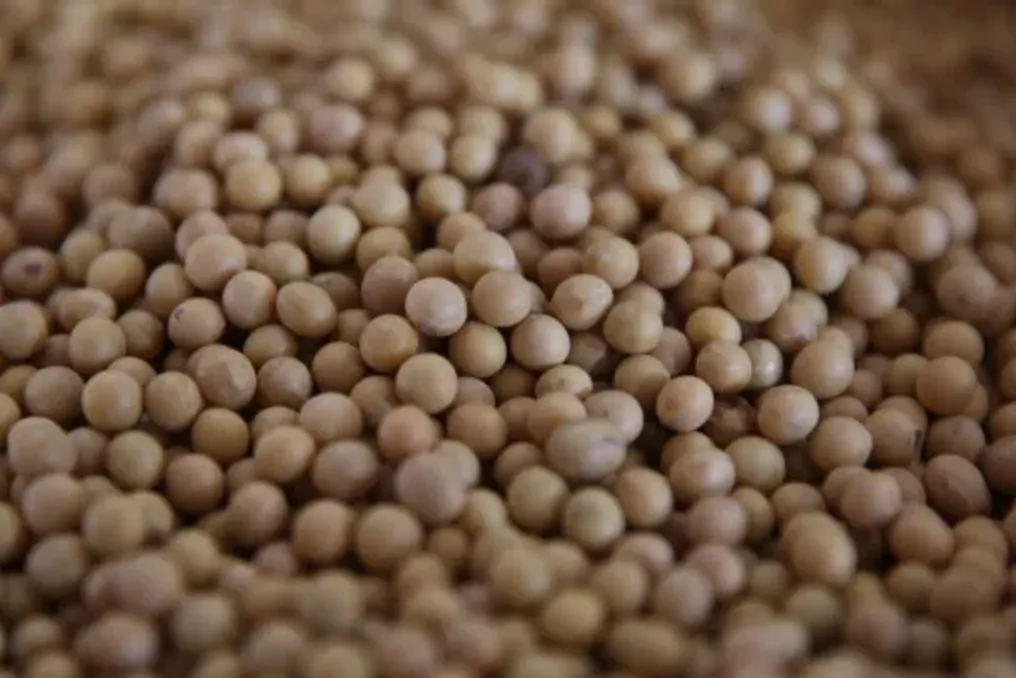
Among the most important crops, soybeans are expected to maintain their leadership in Brazilian production, with an expectation of 181.6 million tons, cultivated on about 49.3 million hectares. Furthermore, Conab forecasts 148 million tons of corn, considering the three harvests, although the average productivity is expected to drop by 2.3% compared to the last cycle.

Other projected crops include 10.6 million tons of rice, which constitutes a 4.7% reduction compared to the previous harvest, and 2.9 million tons of beans, representing a 1.8% decrease. Wheat is expected to suffer a sharp drop of 33.2%, with an estimated production of 5.3 million tons, a result primarily linked to the reduction in planted area and unfavorable climatic conditions, especially in the states of Paraná and Rio Grande do Sul.

Finally, Conab emphasizes that all these projections are subject to changes, as they depend on multiple factors, including market performance and climate variations.

Popular