UNHCR faces funding crisis that threatens assistance to millions of global refugees
Read more
Noticias ao Minuto
noticiasaominuto.com

UNHCR faces funding crisis that threatens assistance to millions of global refugees

An official source reported that the United Nations (UN) is facing a severe funding crisis, which prevents the provision of assistance in 2026 to millions of refugees, victims of forced displacement, and stateless persons worldwide.

Matthew Saltmarsh, spokesperson for the United Nations High Commissioner for Refugees (UNHCR), detailed that the agency received only $2.9 billion out of the $8.5 billion (equivalent to €2.65 billion of €7.77 billion) requested for the year 2026, representing just over one-third of the required amount.

Saltmarsh emphasized that this financial shortfall compromises UNHCR's ability to provide support to millions of individuals affected by crises and armed conflicts.

Given this scenario, and despite increasing humanitarian demands, the organization announced that it will present a revised and reduced budget for 2027 during next week's donor conference, totaling $7.137 billion (€6.525 billion), focusing on the most urgent interventions.

If full funding is achieved next year, UNHCR projects providing protection services to 13.6 million refugees and asylum seekers, in addition to supporting 6.7 million internally displaced persons. Furthermore, the agency may provide housing assistance for 1.8 million refugees and 850,000 internally displaced persons, according to Saltmarsh.

The majority of the projected budget, exceeding $2.5 billion (€2.29 billion), will be allocated to emergencies and vital assistance, covering shelter, health, sanitation, and water.

Another portion, corresponding to $1.9 billion (€1.74 billion), or approximately 26% of the budget, is dedicated to funding protection services such as registration, documentation, access to asylum, legal aid, and prevention.

UNHCR also plans to invest $1.4 billion (€1.28 billion) in promoting durable solutions, aiming to reduce refugees' dependence on humanitarian aid. Resources designated for voluntary return and reintegration will increase by 14%, while those for local integration will grow by 13%. These actions are part of a larger strategy seeking to halve the number of refugees in prolonged displacement who depend on aid by 2035.

Finally, UNHCR recalled that three-quarters of all refugees in the world are hosted by middle- and low-income countries and communities, which require international support.
Similar stories

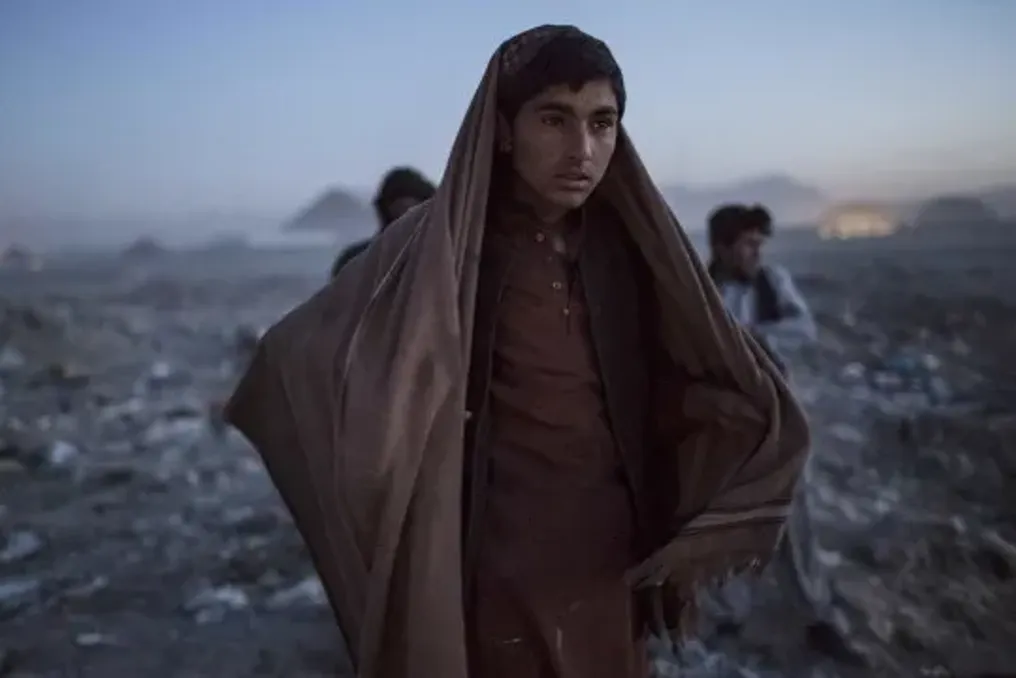
UN warns of worsening hunger in 16 regions over the next six months due to conflicts and El Niño
Read more
noticiasaominuto.com

UN warns of worsening hunger in 16 regions over the next six months due to conflicts and El Niño

Two United Nations agencies have issued an alert regarding the possible worsening of hunger in sixteen regions over the next six months, with a special focus on Africa. This risk is attributed to ongoing conflicts, reduced humanitarian assistance, and the impacts of the El Niño climate phenomenon.

In a joint report, the Food and Agriculture Organization (FAO) and the World Food Programme (WFP) highlighted Sudan, South Sudan, Somalia, northern Nigeria, and Yemen as areas of greatest concern between December 2026 and May 2027.

The agencies indicate that the risk of famine remains probable in certain parts of Sudan, specifically North Darfur, and in South Sudan. Other locations classified as areas of very high concern include Afghanistan, the Democratic Republic of Congo (DRC), Palestine, and Haiti.

The complete list of regions requiring attention also includes Chad, Uganda, Southern Africa, the Central American Dry Corridor, Mali, Myanmar, and Madagascar. Armed conflicts and violence continue to be the primary causes of acute food insecurity, although extreme weather events, such as El Niño, are intensifying the situation.

The El Niño climate phenomenon, characterized by the unusual warming of surface waters in the equatorial Pacific, alters global rainfall and temperature patterns, potentially causing droughts in some areas and heavy rains in others.

The agencies also noted an increase of over 15% in episodes of political violence, which has led to high rates of population displacement, especially in Yemen and South Sudan. In the five most critical countries, humanitarian aid has decreased by almost two-thirds between 2022 and 2025, falling from 5.1 billion dollars to 2 billion dollars.

FAO and WFP emphasize that the reduction in human resources has restricted the capacity to maintain achieved progress and prevent the worsening of crises, observing that risks of severe food insecurity have resurfaced after periods of improvement.

The report emphasizes the urgent need for focused humanitarian intervention to preserve lives and livelihoods in all hunger hotspots, stating that such action is vital to prevent deaths in the most critical areas.

It is estimated that about 49 million additional people may face acute food insecurity by the end of 2027, driven by an intense El Niño episode expected to last until next spring. Precipitation deficits and high temperatures have already caused crop losses in the Central American Dry Corridor and East Africa, threatening the next harvest in Southern Africa. In contrast, the forecast of wet conditions until December may raise the risk of flooding in parts of East Africa.

In the case of the Gaza Strip, winter rains and isolated floods could worsen the living conditions of displaced families, damage shelters, and interfere with essential services and humanitarian operations.

The agencies advocate for an immediate and targeted humanitarian response to protect lives and livelihoods, prioritizing the most vulnerable regions. Suggested preventive measures include the use of climate-adapted seeds, protection of livestock and water resources, and timely delivery of aid. However, the response plan developed by FAO and WFP faces a funding deficit of 125 million dollars.

Popular