Patagonian Whales Return to Old Feeding Grounds
Read more
Getaway
getaway.co.za

Patagonian Whales Return to Old Feeding Grounds

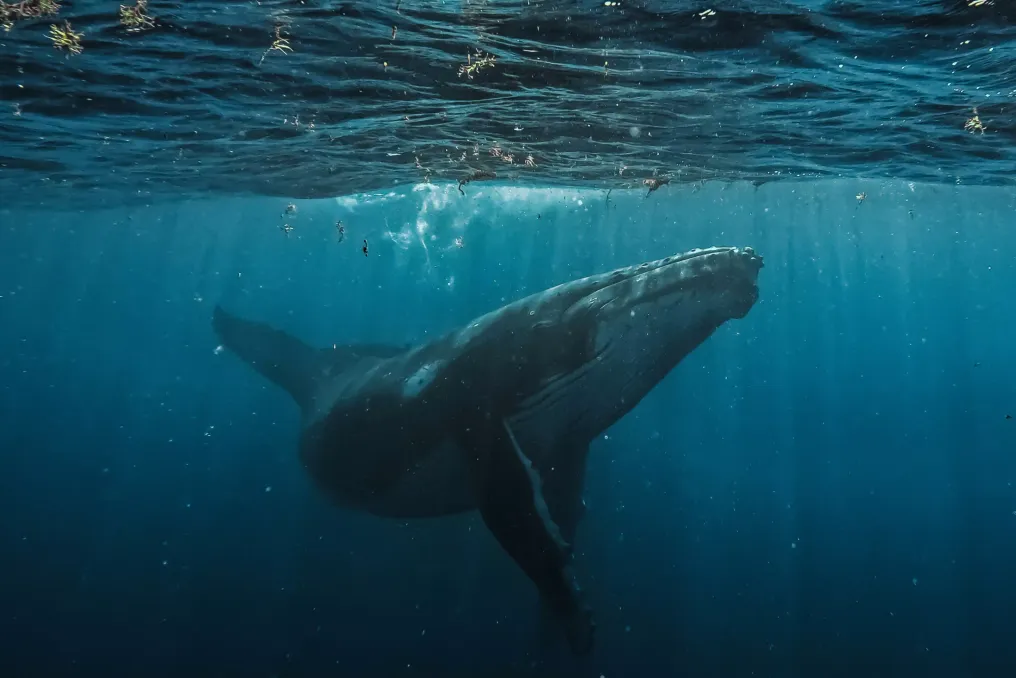
Whales in Patagonia are re-establishing connections with their traditional feeding grounds. Among these whales is the humpback whale, which has returned to the Beagle Channel for eight consecutive years. It feeds in the waters off the southern tip of Argentina, where observations of humpback whales have increased since at least 2018.

Furthermore, endangered whales are reappearing north of the Patagonian coast. Their return is an encouraging sign for whale populations that have been significantly reduced by commercial fishing.

Photographs taken during sea excursions help researchers determine whether a whale has visited a particular channel before. When a humpback whale raises its tail out of the water, markings on the underside of its body allow scientists to distinguish it from other individuals. The images were provided by ship crews, guides, photographers, and travelers as part of local research efforts. In 2025, researchers identified 22 humpback whales in the channel, 17 of which were new to their records.

In San Jorge Gulf, between the provinces of Chubut and Santa Cruz, scientists are using satellite tags to track whales outside their feeding waters. One tagged whale was tracked from the gulf to southern Brazil and back. Knowing the locations where whales spend time on this route can help both countries decide which ocean areas require additional protection.

The Beagle Channel also serves as a route for vessels heading to Antarctica. As cruise and shipping traffic increases, whales feeding in the channel face an elevated risk of collision with ships. Researchers have called for stricter navigation rules and clearer restrictions on vessel proximity during observations.

There are also issues in the open sea. Ocean warming and increasing Antarctic krill fishing may affect food availability for several whale species. In San Matias Gulf in Argentina, the expansion of oil and gas activities could lead to increased shipping, more underwater noise, and a higher risk of spills.

For those hoping to see a humpback whale in Patagonia, it is reassuring to know that a whale surfacing near a vessel may have made such a journey previously. Providing it with space to feed is one way to help preserve this stretch of coastline as a place it can return to.
Similar stories

Traditional fishing traps in Kosi Bay: an ancient system still in use
Read more
getaway.co.za

Traditional fishing traps in Kosi Bay: an ancient system still in use

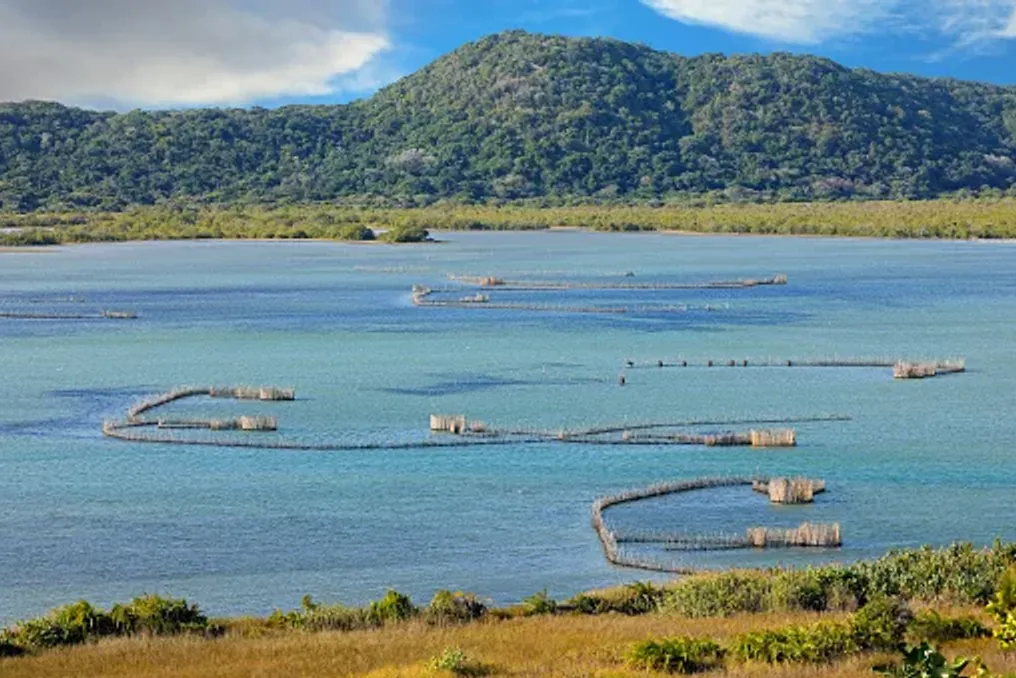
In the northern part of KwaZulu-Natal, where South Africa borders Mozambique, a unique fishing tradition continues, shaping life along the waterways of Kosi Bay. Among interconnected lakes, tidal channels, and lush coastal vegetation, traditional fishing traps created by local Tonga communities serve as a reminder of a centuries-old connection to the water.

These carefully designed systems, known locally as utshwayelo, utilize the natural movement of tides to guide fish into enclosed areas from where local fishermen can collect them. The structures are made from materials found in the environment, combining practicality with a deep connection to the region's cultural heritage.

Although Kosi Bay is known for its rich aquatic biodiversity and picturesque coastlines, its traditional traps offer visitors another reason to explore this part of iSimangaliso Wetland Park—the opportunity to encounter the living heritage of communities that have inhabited this landscape for generations.

The lake system of Kosi Bay is part of the traditional homeland of the Tembe-Tonga people, whose relationship with the waterways spans hundreds of years. Fishing has long been an important source of sustenance and livelihood for residents of the surrounding lakes. Local knowledge of fish migration, tides, seasons, and the environment has contributed to the development of these traditional traps, which remain a distinctive feature of the landscape.

It is estimated that this practice has existed in the region for over 600 years, with some sources pointing to an even earlier history. The traps are not just fishing gear; they represent accumulated knowledge passed down through generations. Studies of fishing customs in the region show that the traps evolved from earlier methods involving baskets woven from straw, which gradually transformed into the more complex structures seen today in the waters of Kosi Bay.

This practice is closely linked to customary fishing rights and the cultural identity of local communities, so its preservation goes beyond maintaining an unusual fishing technique. One of the most interesting aspects of fishing in Kosi Bay is the use of natural water movement instead of reliance on engines or modern fishing technologies.

Popular