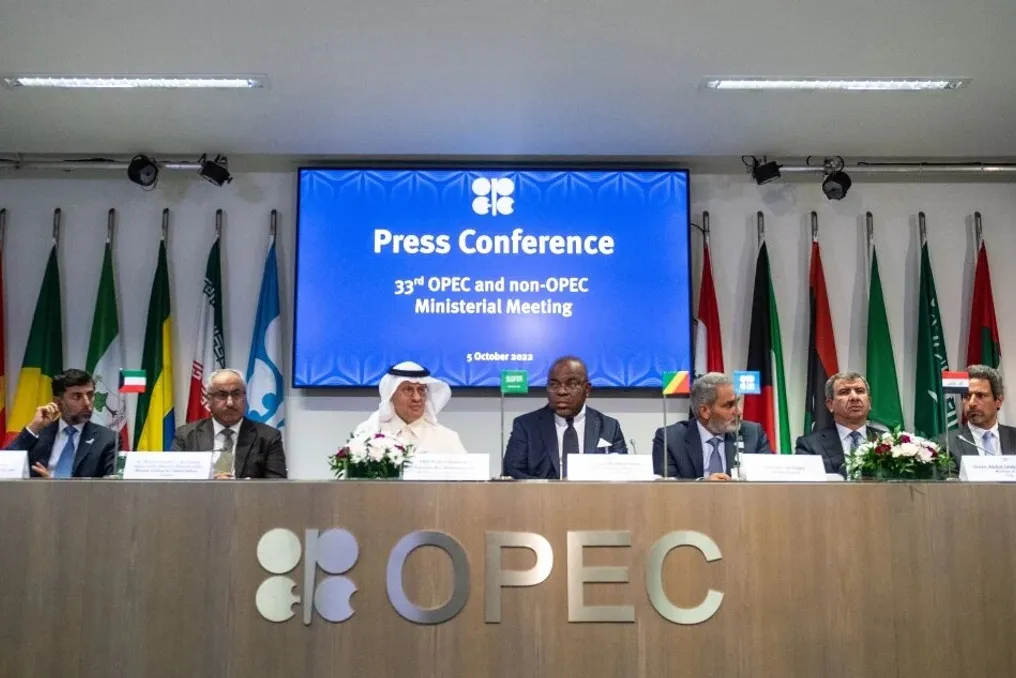
According to a Reuters report, the US attempted to weaken the OPEC energy cartel, led by Saudi Arabia, by lobbying Iraq and Venezuela to exit the organization earlier this year. This initiative led to direct intervention by the Crown Prince of Saudi Arabia.
The report published on Friday reveals how President Donald Trump's drive to increase production and lower energy prices amid the war with Iran put the US in direct conflict with Saudi Arabia—one of the US's closest allies in the region, which also sells its oil in US dollars and hosts US troops.
Trump's administration lobbying in the summer also shed light on the UAE's decision to leave OPEC in May. At that time, Washington welcomed the move and offered the UAE a currency swap line to ensure the emirates' access to the US dollar should their reserves deplete. This rare gesture followed shortly after the escalation of hostilities between the US and Iran, when crude oil exports through the Strait of Hormuz sharply declined.
Iraq, Saudi Arabia, Venezuela, Iran, and Kuwait were the founders of OPEC in 1960. Iran is already outside the cartel's scope due to US sanctions and its so-called 'shadow sales' of oil to China. The departure of Iraq and Venezuela from the alliance would effectively mean the end of OPEC, although the union had been under pressure for many years.
Reuters reported that Iraqi Prime Minister Ali Faleh al-Zaydi, who was supported by Trump, raised the issue of leaving the alliance during discussions with American officials in the summer, who encouraged the idea. However, officials in the Iraqi Ministry of Oil opposed this notion, insisting that Baghdad should seek to increase quotas within OPEC to boost production volume.
These discussions took place against the backdrop of Al-Zaydi's visit to Washington in July, during which he presented several economic agreements that he hoped would overshadow tensions with the US regarding Iran-linked militias in Iraq. Middle East Eye was the first to report on Iraq's plans to restore a new pipeline through Syria to the Mediterranean with US support.
The US holds significant financial influence over Baghdad, as revenues from Iraqi oil sales are deposited into the New York Federal Reserve rather than flowing into Iraqi banks. The Trump administration suspended the transfer of dollars to Iraq until Al-Zaydi was appointed prime minister. Furthermore, he received support from pro-Iranian factions.
US influence over Venezuela is even greater, as the Trump administration attacked the country and ousted former President Nicolás Maduro early this year. The US effectively took control of Venezuela's finances and oil revenues, assigning the trading house Vitol to handle sales. Vitol is a trading firm owned by employees headquartered in Switzerland.
Venezuela possesses the world's largest proven crude oil reserves, but the country has been unable to utilize them due to a lack of investment. Oil is classified by density and sulfur content; Venezuelan crude is heavy, making it expensive and labor-intensive to extract, whereas Iraqi crude is light, allowing it to be extracted cheaply and easily. Venezuelan oil requires refining, and while it has some domestic refineries, most of it is processed in the US, China, and India.
Nevertheless, the US discussions with Venezuela alarmed Saudi Arabia so much that the Crown Prince was forced to intervene directly to ensure Venezuela paid its OPEC contributions.