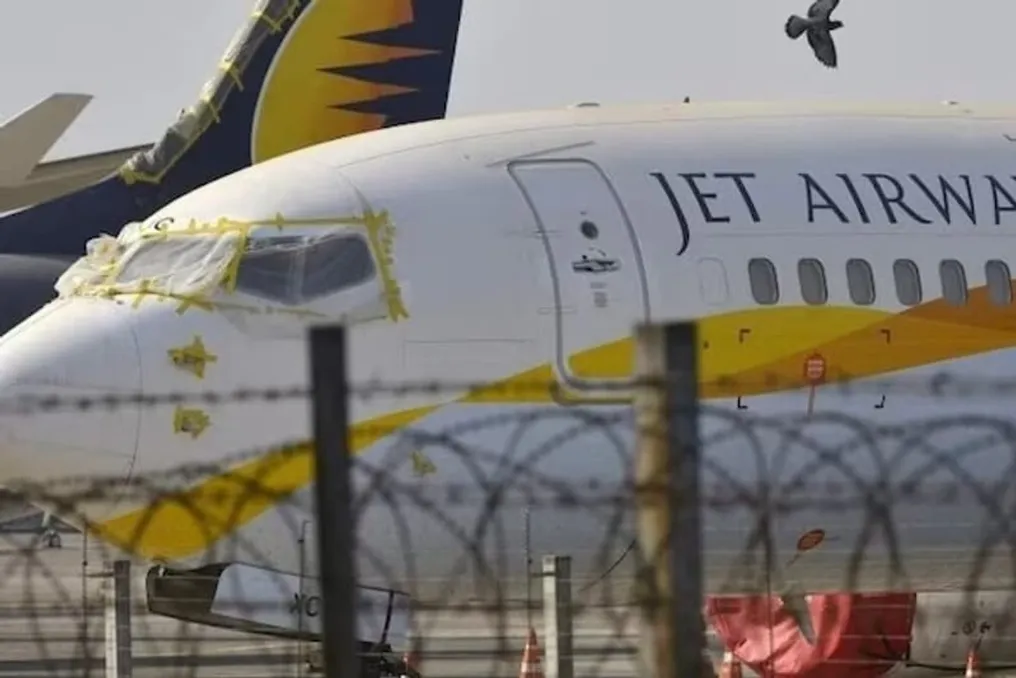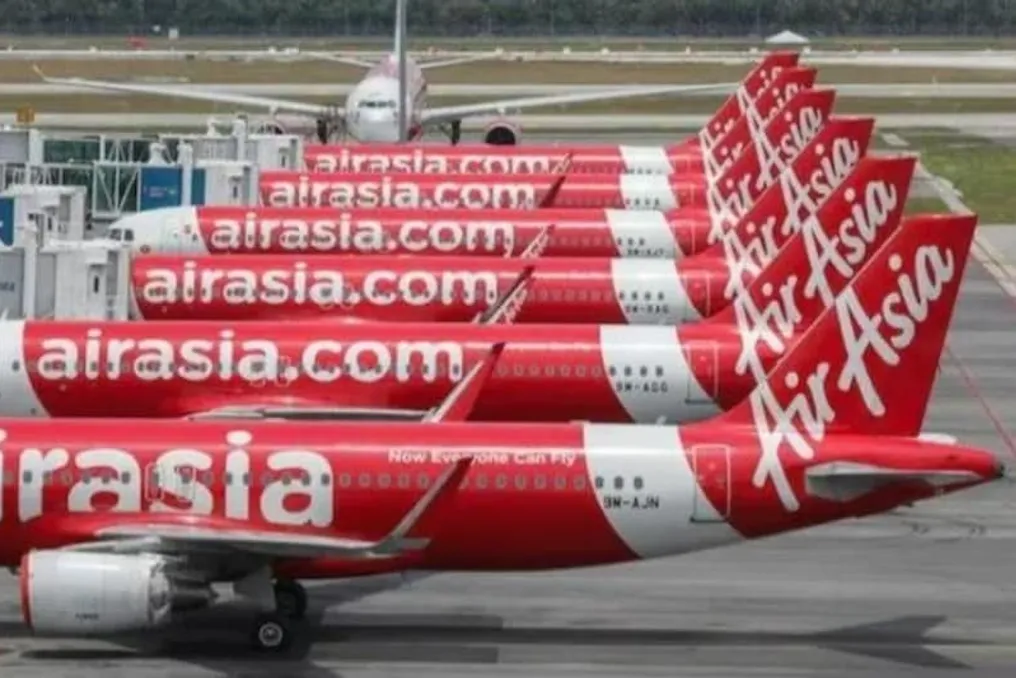
In addition to SpiceJet, another airline is facing financial difficulties. AirAsia, Southeast Asia's largest low-cost carrier, plans to change the salary payment schedule for employees from November to March, covering five months, moving it to the end of the month.
According to a Reuters report, this step is part of cost-saving measures amid rising cost pressures, expensive aviation fuel, and foreign currency losses. The entire AirAsia company, which employs about 26,000 people across Asia, has decided to postpone salary payments until the last day of the month for the next five months, meaning employees will wait one month for their pay.
According to internal emails, employees based in Malaysia usually received their salaries after the 15th. However, during this five-month period, they will be paid on the 30th of each month or on February 28th. This email was sent by Human Resources Head Muhammad Hurram Ja late last week.
Hurram Ja explained that this change is a temporary measure caused by the difficult situation and high aviation fuel prices. He urged employees to show patience and cooperation. Confirming this information, AirAsia Group CEO Bo Lingam stated that this step aims to align internal payroll procedures and that it will not result in a reduction of the total salary amount for employees; they will receive the full amount.
These measures are being taken as rising fuel costs and foreign currency shortages seriously impact the airline. On November 23, AirAsia recorded a loss for the third consecutive quarter, and since the beginning of the year, the company's shares have fallen by more than 70 percent.
Pressure to cut costs is also observed in other group divisions. AirAsia Philippines is conducting layoffs. Following the dismissal of 90 pilots on November 26, the AirAsia Philippines Pilots Union filed a strike notice.
It should be noted that during these five months, AirAsia is trying to cope with financial pressure by advancing the payroll cycle and controlling expenses, despite ongoing operational and personnel issues within the group.