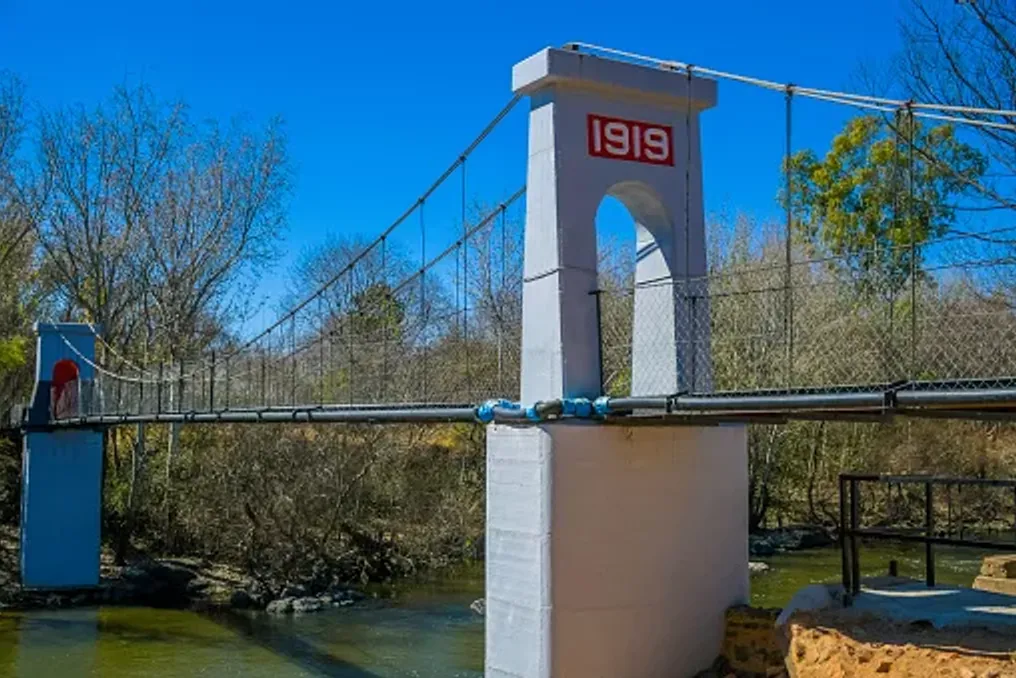
Paris: A two-day getaway focusing on art, water activities, and nature in the Vaal region
Read more
Getaway
getaway.co.za

Paris: A two-day getaway focusing on art, water activities, and nature in the Vaal region

Paris, located just an hour or two's drive from Johannesburg, offers a simple option for a short weekend, providing guests with something special. This town in the Free State province possesses a creative atmosphere, combining art galleries, antique shops, cafes, and picturesque street corners. Furthermore, the Vaal River invites visitors to slow down or engage in water sports.

Beyond the town center, the vast landscape of the Cradle of Valdehof adds another layer of experience. Whether you prefer browsing ancient treasures, enjoying a meal, rafting on the river, exploring trails, or admiring the countryside from above, Paris suits both leisurely and active vacations.

The best way to discover Paris is by walking. One should head to Bree Street and the adjacent roads, where the character of the town manifests through a mix of art galleries, antique stores, craft shops, cafes, and historic buildings. Instead of rushing from one attraction to another, time should be allocated to look at shop windows and visit interesting stores.

Paris has established itself as a center for art and antiques, supported by artists, artisans, and dealers who create a unique atmosphere. The streets are particularly appealing to those who enjoy finding something unusual—from vintage furniture and old collectibles to local art and decorative items.

Water Street is also worth visiting. These streets form the core of the city walking experience, offering numerous opportunities to stop for coffee, purchase a souvenir, or simply enjoy the small-town atmosphere. Paris's appeal lies not in shopping malls, but in small independent shops and places that encourage unhurried exploration. Antique shops allow you to find everything from old household items and furniture to mementos, while galleries introduce visitors to local and South African artists.

It is important to go inside rather than just looking from the sidewalk. Part of the charm of exploring Paris lies in discovering what is hidden behind the windows, in courtyards, and in buildings that have been revitalized. Several hours must be set aside for this part of the itinerary, as the temptation to stop for coffee, check out another antique store, or linger in a gallery is an integral part of the experience.

After morning exploration, one can move on to lunch. Paris offers a diverse dining scene, including casual coffee shops and delicatessens, as well as establishments serving beloved South African dishes and more contemporary cuisine. One option is Plum Tree Coffee and Art Gallery, which combines food with a nostalgic atmosphere and a love for art and souvenirs. The wider selection of cafes and restaurants also allows dining to be an important part of the program.

Other places to consider include Jimmy Jaggers and Dark Chocolat Café, depending on your mood. Whether you are looking for a relaxing cafe, a hearty country lunch, or a place to linger over a drink, Paris has options. By observing Paris's old buildings, one can see how history is woven into the urban landscape; the heritage architecture reflects the town's transformation from a farming settlement to a popular tourist destination. Even without a formal museum visit, a leisurely stroll through the city center provides insight into the past, showcasing old facades and the character of established streets.

The Vaal River is one of Paris's defining features, and a weekend here feels incomplete without time spent near it. Depending on the desired experience, the river offers opportunities for rafting, kayaking, rowing, and fishing. For thrill-seekers, river rafting is one of the most famous activities in the area. Paris is known for the rapids along this stretch of the Vaal, and tours offer the chance to navigate the river's bends under the guidance of experienced operators.

Local adventure operators, such as R.E.A.L Adventures and Earth Adventures, offer various activities in the area, including rafting and kayaking. Before heading out, it is recommended to check current offerings, conditions, age requirements, and booking directly with the operators. If white-water rafting seems too energetic for a short trip, there are calmer ways to enjoy the river: rowing, fishing, or simply spending time by the water can be equally pleasant, especially if the goal of the trip is to slow down.

The river is only part of Paris's adventure offering. Depending on available time and group composition, the town and surrounding region offer activities that can last the entire weekend. Among these activities advertised by operators are quad biking, paintball, and zip-lining. These activities are worth considering for travelers seeking a more active vacation, especially for families and groups of friends.

The key to success is advance booking and choosing an activity that fits the schedule. One river activity can easily take up an entire day, so there is no need to try to cram all adventures into one trip. After daytime activities, it is not advisable to rush back to the city. The riverbanks and surrounding countryside offer a quieter side of Paris, especially as the soft evening light sets in.

The first day can conclude with dinner in town. Paris boasts numerous restaurants, pubs, and cafes, and the gastronomic scene is one reason why this place is suitable for a short break. If you are interested in craft beverages, it is worth exploring the local winery and distillery. Helden Distillery is a name worth considering for visitors wishing to add a tasting to their plan, provided current operating hours and availability for booking are checked.

The evening can be spent leisurely. After a day filled with walks, sightseeing, and perhaps some time on the river, there is no need to stick to a tight schedule. A relaxed dinner followed by a walk through the town or relaxing at accommodation is a suitable way to end the day.

The second morning can be dedicated to exploring the broader landscape around Paris. The town is near the Cradle of Valdehof, a UNESCO World Heritage Site recognized for the geological significance of a massive impact structure formed by a meteorite collision about two billion years ago. This impact left an extensive geological structure that was shaped and exposed by millions of years of erosion. Today, the landscape allows visitors to glimpse an extraordinary chapter in Earth's history, featuring hills, valleys, rock formations, and scenery worthy of exploration beyond the town itself.

The Cradle of Valdehof is recognized as the world's largest confirmed meteorite impact structure. Its significance is determined not only by its scale but also by the geological evidence it preserves. Exploring the region with an experienced local guide can help focus on the history of the landscape, especially for those who want to understand what they are seeing rather than just enjoying the views. The Cradle of Valdehof appeals to those who prefer hiking, cycling, or off-roading.

Hiking and mountain biking trails run through parts of this vast region, offering views of hills, valleys, and rural landscapes.

For a more active outing, one might consider 4x4 routes such as the Berakah 4x4 Eco Trail, subject to access, booking, and trail conditions. Geology guided tours are another way to explore the Cradle, especially if interested in the impact structure, its rock formations, and the region's natural history. It is best to choose a route that matches one's fitness level and time, rather than trying to cover several trails in one morning, to enjoy the scenery without rushing.

Horse riding offers another way to explore the countryside around Paris. The landscape in the Cradle of Valdehof region varies from open grasslands and scrubland to wooded hills and gorges, making it an interesting spot for equestrian rides. Koedoeslaagte Trail Park and Venue is one location worth considering for horse trails and outdoor activities. Depending on availability and offered activities, visitors can arrange rides suitable for different levels of fitness.

For those who prefer walking, there are also guided tour opportunities in the wider region. Here, the emphasis is less on covering distance and more on slowly absorbing the rural environment. For a different perspective on the landscape, one could consider a hot air balloon ride or a parachute jump over the countryside, where available. A hot air balloon ride offers a slower, scenic way to view the Cradle of Valdehof landscape from above, while parachuting suits those seeking more adrenaline. Both activities depend on weather, operator availability, and schedules, so prior arrangement is essential.

Before departing, it is worthwhile to look for local markets where handmade goods, food products, fresh produce, and small businesses gather. Hartelus Mark is one market worth checking when planning a visit, although dates and opening times should be verified in advance. Markets provide an opportunity to discover local produce, buy something to take home, and support small businesses in the area. If your weekend coincides with market day, it can be a valuable addition to the itinerary.

For seasonal recreation, one can visit Bon-Af Berry Farm, located outside Paris, where visitors can enjoy berry picking and garden experiences with tea and pastries, if available. The farm is known for its variety of berries, including black raspberries, and berry picking traditionally takes place during the harvest season, usually running from March to November. Since this experience is seasonal, it is wise to check which berries are available and if the farm is open to visitors before traveling. This is a particularly attractive option for families or travelers looking for something different from typical city entertainment.

Paris reminds us that a short vacation does not require a complicated plan or a long journey to feel like a true escape. The combination of creative streets, good food, river adventures, and extraordinary geological landscapes makes it a destination suitable for various types of travelers. Whether drawn to antiques and art, the promise of adventures on the Vaal River, rural trails, visiting a brewery, or exploring the Cradle of Valdehof, Paris offers a weekend that can be as active or as relaxed as you wish it to be.
Similar stories

Rietvlei Nature Reserve Offers Opportunity to See Wildlife Near Pretoria
Read more
getaway.co.za

Rietvlei Nature Reserve Offers Opportunity to See Wildlife Near Pretoria

Not far from the busy streets and expanding suburbs of Pretoria lies a landscape composed of open grasslands, wetlands, and wildlife, serving as an unexpected refuge from urban hustle. In Rietvlei Reserve, the urban environment gives way to wide skies, quiet water, and the opportunity to observe animals during a leisurely drive through the area.

Spanning approximately 4,000 hectares, Rietvlei is one of Tshwane's important conservation areas, protecting endangered plant species, water systems, as well as a vast diversity of wild animals and birds. The reserve was established in 1929 and serves as a reminder that wildlife does not always require a long journey into the countryside; sometimes it is right on the edge of city limits.

Whether you are visiting for a morning wildlife drive, a birdwatching tour, a picnic by the dam, or an organized nature event, Rietvlei offers a chance to slow down and experience the natural landscapes that remain part of Pretoria's urban setting.

History and Ecological Significance

Rietvlei Reserve has an unusual history connected to the region's water supply. It was originally part of the water supply scheme intended to provide drinking water to Tshwane, and its landscape continues to play a vital role in protecting natural habitats and water systems.

Today, the reserve covers approximately 4,000 hectares of grassland and wetland ecosystems. Its location within a rapidly developing urban environment makes its conservation function particularly significant, as this area protects an ecosystem that the City of Tshwane describes as being in critical condition.

The reserve safeguards rare flora, fauna, and avifauna, while its wetlands and open grasslands form a diverse natural landscape available for visitors to explore. Its proximity to Pretoria also makes conservation efforts tangible for people who would otherwise have to travel much further to see wildlife and natural habitats.

Wildlife Viewing Opportunities

One of Rietvlei's main advantages is the ability to encounter wild animals without traveling far from the city. The reserve's grasslands, wetlands, and open spaces support various large mammals, making self-guided animal observation an attractive way to spend several hours outdoors.

Visitors may encounter eland, buffalo, white rhinos, red hartebeest, Barchid zebra, black hartebeest, gemsbok, hippos, rhinoceroses, and jackals. The reserve also supports several nocturnal species, including aardvark, serval, civet, aardwolf, brown hyena, and hedgehog.

With about 30 km of roads for self-driving, Rietvlei allows guests to explore the area at their own pace. This experience is more focused on observing the unfolding landscape, scanning the grasslands, and following the edges of the wetlands than on rushing between animal sightings.

The reserve's roads allow for safe animal viewing from inside a vehicle. Visitors are advised to drive slowly, show respect for wildlife and other road users, remembering that animals always have the right of way.

An encounter might include a herd of grazing zebras, buffalo crossing an open veld area, or hippos visible near the water. As with any wildlife reserve, encounters are not guaranteed, so patience is part of the experience.

Birdwatching

While large animals attract many visitors, Rietvlei is also a valuable spot for bird enthusiasts. Its wetlands and grasslands create a habitat for an impressive diversity of bird species; around 350 species are recorded in the reserve.

The variety of habitats allows for the observation of birds associated with water, open grasslands, and other natural conditions. From migratory waterfowl around the wetlands to birds foraging on the grasslands, the reserve offers an interesting backdrop for year-round birdwatching.

Rietvlei features six hides accessible along the self-drive routes, allowing visitors to stop and observe birds without disturbing the environment. These hides provide an opportunity to spend time watching the landscape rather than just driving through it. It is recommended to bring binoculars, a bird guide, or a bird identification app and allocate time to observe the quieter details of the reserve.

Visiting Options

Self-drive routes make the reserve accessible to those who wish to explore the area without booking a guided tour. A leisurely drive through the landscape allows for wildlife viewing, photography, and stops at designated spots.

A visit can be short or long, depending on the visitor's time and what they hope to see. Morning visits allow exploration before it gets too hot, while a slower walk might include visiting hides and stopping at the picnic area.

Visitors should stay on marked roads, avoid driving off the veld, and remain inside vehicles while viewing animals unless they are in authorized areas such as hides or special points of interest.

Rietvlei offers more than just wildlife viewing, making it a suitable place to satisfy various interests and ways to spend a day outdoors. The Marey's Dam picnic area provides a place to rest between exploring the reserve. It has barbecue facilities, allowing visitors to plan a relaxing break combining wildlife viewing with outdoor dining.

This area is suitable for those who want to spend the whole day in the reserve, although reserve rules apply, including restrictions on alcohol, loud music, pets, and large groups. Visitors should also check the picnic area operating hours before arriving.

For visitors interested in landscape study, there are guided walking tours offering a different way to explore Rietvlei. These hikes focus on nature and interpretation rather than physical fitness, allowing participants to learn about the reserve's environment. Advance booking is required, and the reserve's daytime walks are currently limited to groups of six to 15 people, with participants needing to be over 12 years old. A roughly four-hour experience offers a deeper immersion into exploring the reserve on foot.

Those seeking a more structured wildlife viewing experience can book guided tours during the day or night. Daytime trips usually last two to three hours, providing an opportunity to learn about the reserve and its animals while exploring with a guide. Night trips, available seasonally from September to May, offer a different perspective on the reserve and its nocturnal fauna. Both options require booking and adhere to minimum and maximum group sizes.

Rietvlei Reserve is managed by the City of Tshwane, and visiting hours vary depending on the season.

Operating Hours

September – March: 05:30 to 19:00. Last entry permitted at 17:00.

April – August: 06:00 to 18:00. Last entry permitted at 16:00.

The reserve has special operating hours on Mondays and Wednesdays from May to August, opening at 11:00 for animal management purposes, provided the day is not a public holiday. Visitors should check the latest information regarding operations before traveling, especially when planning tours or visiting during seasonal changes.

Rietvlei is a protected area, and visitors are expected to respect its wildlife and environment. The speed limit in the reserve is 30 km/h, and animals always have priority. Visitors must remain in their vehicles while viewing animals, except in designated areas, and are prohibited from feeding animals, pulling up plants or animals, littering, swimming, or fishing. Pets, drones, and loud music are also forbidden.

Currently, only bank cards are accepted at the reserve entrance, so visitors should plan their trips accordingly. For updated information on entrance fees, event bookings, and visitor information, please refer to the official Rietvlei Reserve website of the City of Tshwane before visiting.

Several days among milkwood trees in Grootbos Nature Reserve
Read more
getaway.co.za

Several days among milkwood trees in Grootbos Nature Reserve

The author shares impressions from visiting the Grootbos Private Nature Reserve, located in the Overberg region, near Gansbaai. Although the author frequently visited Gansbaai since childhood, this trip allowed them to see a completely different side of this place—a world of ancient milkwood forests, fynbos hills, and views of Walker Bay.

The arrival in October began with stunning views from a large reception window overlooking the cloud-covered sea, lending a magical atmosphere to the landscape. Despite periodic rains during the stay, the weather did not prevent enjoyment of the vacation. Guests were offered a drink and a warm towel, and the service proved to be very friendly.

The Grootbos complex features two lodges—Garden Lodge and Forest Lodge—as well as private villas. The author stayed in a standalone suite surrounded by nature and featuring a private open area with a view. Inside, there was a cozy living room, a fireplace, and a spacious bathroom, with the bath positioned to maximize the panorama.

However, the reserve offers much more than just beautiful rooms. The best way to appreciate the richness of the area is through guided tours with experienced guides. One of the most memorable moments was a walk through the ancient milkwood forest with guide Jonno. The author learned a lot about milkwoods, which are surprisingly adapted to the coastal environment, managing with sandy, nutrient-poor soils, strong winds, and sea spray.

Jonno explained that these trees can 'crawl along the ground,' allowing them to draw nutrients and water from more distant places. During a stop under old specimens, one of which Jonno estimated could be over 500 years old, one easily forgets the passage of time. The walk was unhurried, allowing for attentive listening to the guide about the forest and plants.

Another highlight was a safari in 4x4 vehicles, where Jonno talked about the plants, their pollinators, and adaptation to the conditions of the Cape Floral Kingdom. It was noted how much is happening in the fynbos that can be missed on a regular trip. Some flowers have markings that guide bees, while others are visible under ultraviolet light. The connection between fynbos and fire was also studied, as many species depend on fires for regeneration.

In addition to nature excursions, the author visited the Grootbos Foundation, established in 2003 to formalize the reserve's work in nature conservation, community development, and education. The Foundation's activities include environmental education, training, clearing invasive vegetation, plant propagation, and supporting local residents. Research on the region's flora and fauna, including an extensive entomological collection, was also presented.

The trip also included a visit to Klipgat Cave and Walker Bay Reserve. The cave has a fascinating archaeological history with evidence of human presence dating back tens of thousands of years. On the way there, they managed to see baby whales leaping into the sea, which was an unexpected and cherished moment of the trip.

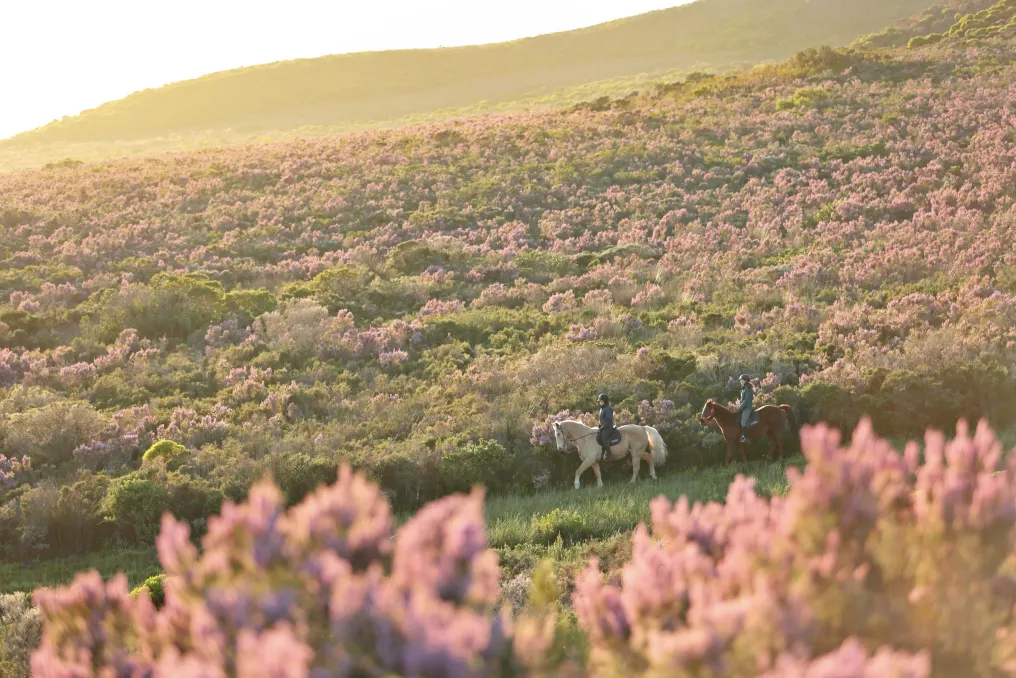
The last morning was dedicated to horseback riding in the reserve, providing a pleasant conclusion to the stay. The culinary experience also deserves special mention. Breakfast, lunch, and dinner were part of the overall impression. The author particularly noted the quality of dishes made from seasonal produce gathered on the premises and the unique homemade pepperberry chutney.

In conclusion, the author emphasized that the specialty of staying at Grootbos is the combination of natural environment, competent guides, comfortable accommodation, excellent food, and hospitable people. They believe that Grootbos is a 'six-star' experience due to details such as warm reception and staff attention to detail.

Seven simple ways to make the South African summer more eco-friendly
Read more
getaway.co.za

Seven simple ways to make the South African summer more eco-friendly

As December approaches, South Africans prepare for beach trips, road trips, festive barbecues, and summer gatherings. However, enjoying the festivities should not come at the expense of the environment. Small daily changes, from making more thoughtful decisions while traveling to reducing food waste and supporting local businesses, can help make the summer more sustainable.

According to WWF South Africa data, approximately one-third of all food in the country goes uneaten, and food loss and waste account for about 8–10% of global greenhouse gas emissions. Below are seven simple methods that can help you have a greener summer.

Driving style affects fuel consumption, which is particularly relevant with high petrol prices. Gentle acceleration, maintaining a constant speed, and braking only when necessary help reduce fuel consumption. Since burning gasoline and diesel releases carbon dioxide, reducing fuel consumption means fewer emissions during long summer drives.

Walking is ideal in the summer. Places such as First Thursdays in Cape Town, art districts in Johannesburg, and the Durban beachfront encourage a more relaxed pace. Where it is safe and convenient, you should leave your car parked. Walking between locations eliminates short car journeys and allows you to enjoy the surroundings.

Seafood is an integral part of summer leisure, whether it's a family lunch, a seaside restaurant, or a festive barbecue. Before ordering or buying, you must ensure that it has been sustainably sourced. The WWF Southern African Sustainable Seafood Initiative app uses a traffic light system to assist with choices.

Choosing the green labeling is the best option. Orange means 'think twice,' and red means 'avoid.' A quick check before ordering helps protect our oceans and marine resources for future generations.

Beach picnics, family get-togethers, and outdoor activities can generate a large amount of packaging and single-use waste. You should bring reusable water bottles, shopping bags, food containers, and cups. When visiting establishments or shopping, try to choose options that can be refilled or reused. These small habits help keep beaches, parks, and natural areas clean.

South African summer markets are abundant with local producers, farmers, artisans, and small businesses offering everything from fresh seasonal produce to handmade goods. Choosing local and seasonal products supports local business and promotes more conscious consumption. When buying food for a barbecue, gifts, or visiting a farmers' market, it is worth finding out where your purchases come from and how they are produced.

A new season doesn't necessarily mean a new wardrobe. Buying second-hand clothing, swapping items with friends, or reusing favorite things reduces the demand for new clothes. According to the Ellen MacArthur Foundation, doubling the number of times clothing is worn can reduce fashion industry greenhouse gas emissions by 44%.

Extending the lifespan of clothing matters. Local vintage shops, charity shops, and clothing rental services are good places to start.

Summer is a time for sharing delicious food, whether it's family meals, festive barbecues, picnics, or grand feasts. Planning portions and using leftovers helps minimize waste. It is necessary to plan meals based on the number of guests, serve moderate portions, and safely store leftovers for the next meal. Being mindful of what we buy, cook, and eat is one of the simplest ways to reduce our negative footprint.

Pedi Gozo, Head of Strategic Communications for WWF South Africa, notes: 'No one should feel guilty for enjoying the summer holidays, but it is worth remembering that much of what we value comes from nature.' He continues: 'Nature is our home, from the food we share to the beaches we visit and the beautiful open spaces where we spend our vacation. Caring for our common home does not mean giving up what we love. It simply means being more mindful of how we live in our daily lives. Small actions can help reduce emissions, protect natural resources, and support healthier ecosystems, and together they can make a significant contribution.' Gozo adds that he would like to see more South Africans moving from awareness to action, emphasizing that everyone can participate in protecting our common home, and even one or two greener choices this summer can be a great starting point.

Popular