Study shows mouse embryos determine growth axis according to uterine compression direction
Read more
N+1
nplus1.ru

Study shows mouse embryos determine growth axis according to uterine compression direction

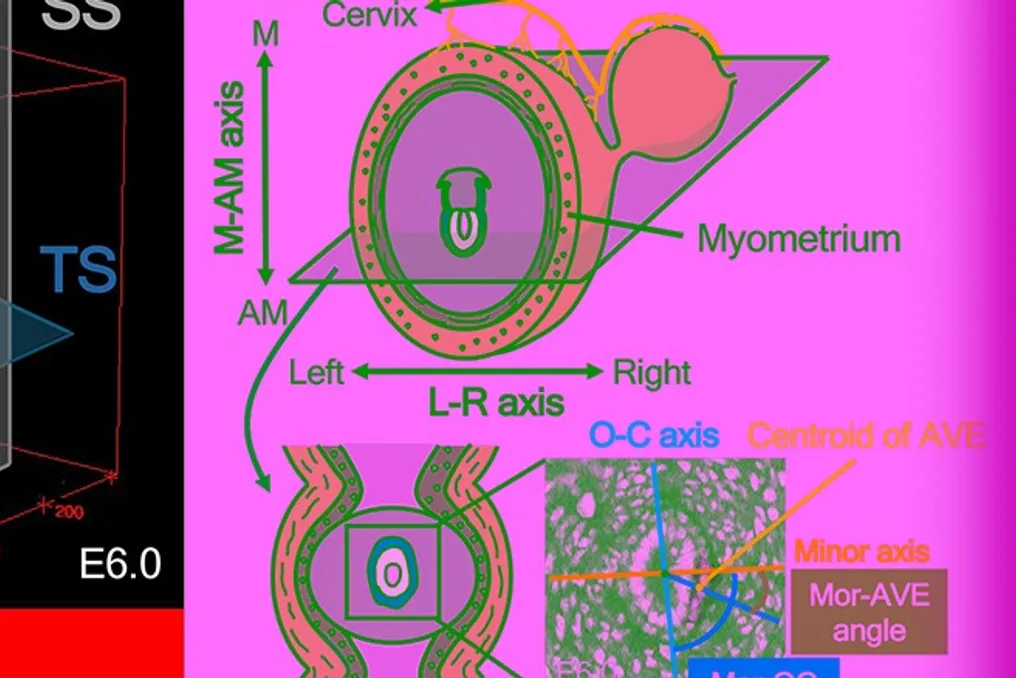
The formation of the body plan, including the establishment of the 'head-tail' axis, is a fundamental process. However, the mechanism for realizing this process in mammals has long been a subject of scientific debate.

A new study conducted by Japanese scientists and published in Science Advances provided new data. It was demonstrated that mouse embryos independently select their main axis of growth, orienting themselves towards the direction in which they are compressed by the uterus.

Similar stories

Artificial chromosome gluing method reduced the number of damages in old mice oocytes
Read more
nplus1.ru

Artificial chromosome gluing method reduced the number of damages in old mice oocytes

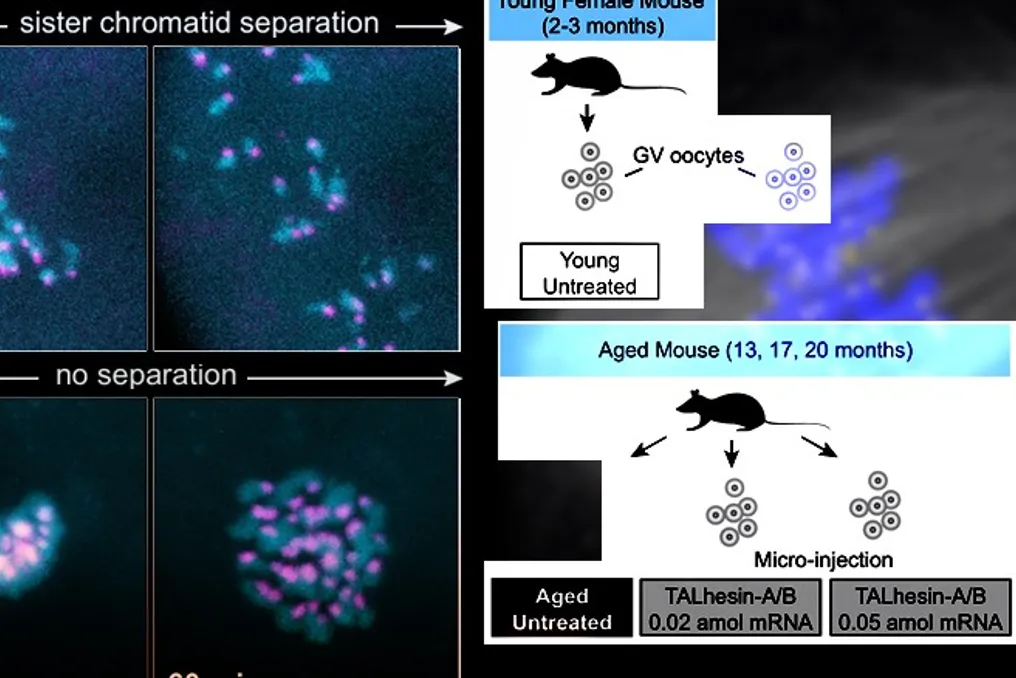
With age, fertility in women begins to noticeably decline, approximately after reaching 35 years old. A significant part of this decrease is associated with the increasing risk of premature sister chromatid separation during oocyte maturation.

The authors of the study, which was published in the scientific journal Science, created a special system. This system allows chromosomes to remain together until the moment necessary to complete the process, and they successfully tested this method on mouse models.

Researchers discover neural pathway in insular cortex that causes anxiety in mice
Read more
nplus1.ru

Researchers discover neural pathway in insular cortex that causes anxiety in mice

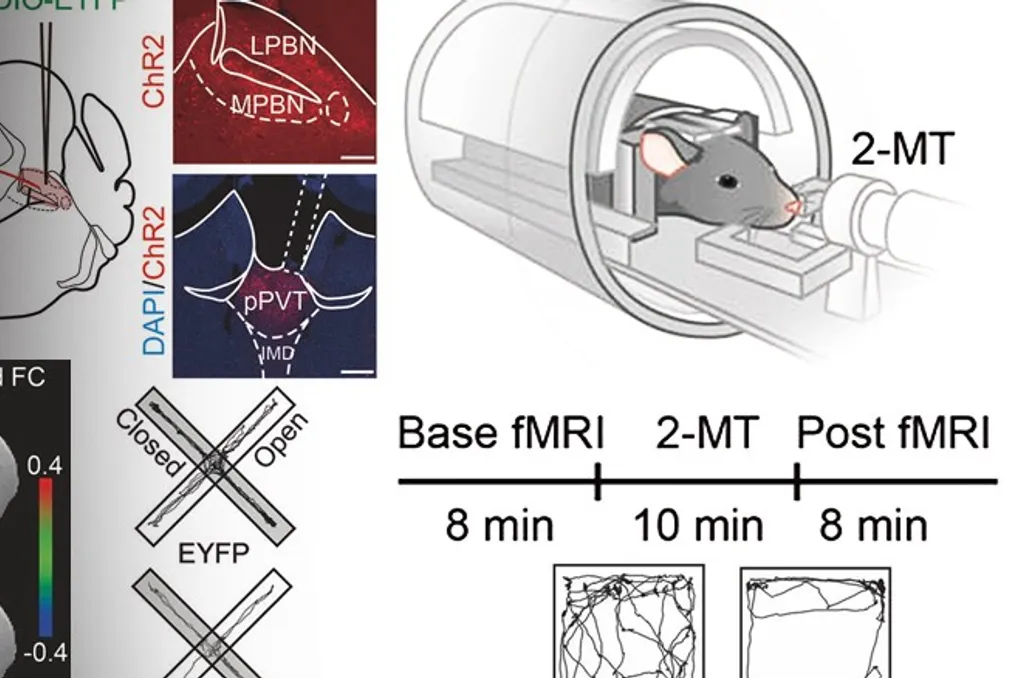
Chinese neurobiologists have managed to discover a specific neural pathway responsible for the onset of acute anxiety in laboratory mice.

This pathway is activated in response to stimuli such as predator scent or electrical current exposure. In this process, neurons in the insular cortex expressing corticotropin-releasing hormone (CRH) begin to function and transmit the signal further.

The signal passes through the parabrachial nucleus before reaching the posterior periventricular nucleus of the thalamus. Scientists found that if this neural circuit is blocked at any stage, the observed anxious behavior in the animals significantly weakens.

The results of this scientific study were officially presented in the journal Molecular Psychiatry.

Turtle hatchlings returned to nature after successful egg hatching in California
Read more
noticiasaominuto.com

Turtle hatchlings returned to nature after successful egg hatching in California

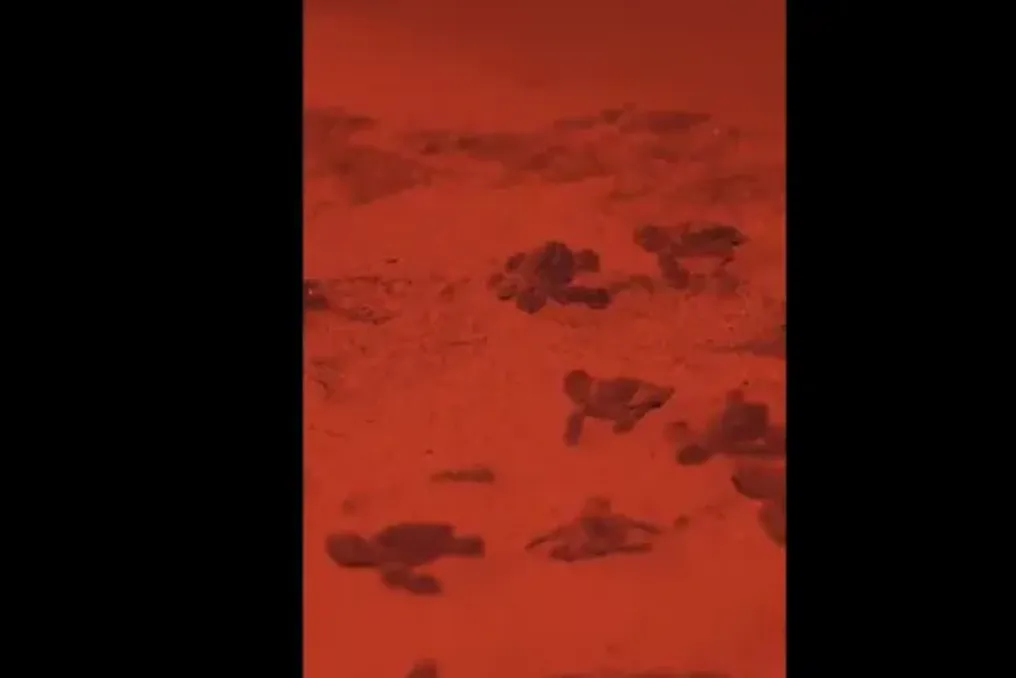
Two olive ridley turtle nests were identified in Seal Beach and Huntington Beach, California, USA, in mid-September. This weekend, the hatchlings were released into the natural environment after the eggs successfully hatched.

The Pacific Aquarium issued a statement on Sunday informing that the eggs had successfully hatched at the institution. In partnership with other involved parties, the hatchlings were carefully released in the early morning hours onto the same beaches where the nests had been built. It was ensured that all hatchlings made it from the sand to the sea after the release, in an area with minimal human disturbance and few distractions.

These two nests, discovered on September 16 and 19, represented the first confirmed natural sea turtle nests on the west coast of the United States, according to the responsible team.

The organization mentioned that the eggs were transferred to the institution for protection due to a tropical storm, with the Pacific Aquarium being chosen for its experience and resources in animal care.

Lance Adams, Director of Veterinary Services at the Pacific Aquarium, expressed satisfaction with the viability of some sea turtle eggs, highlighting not only the successful hatching but also the journey of the hatchlings from the sand to the ocean.

The note also detailed that the eggs were kept in closed incubators under sand while aquarium staff monitored them in a secure room, with controlled temperature and humidity, located at the Molina Animal Care Center.

Federal authorities and local partners, led by the U.S. Fish and Wildlife Service, decided to transfer the eggs. On the morning of Friday, September 25, biologists collected the eggs from Huntington Beach and Seal Beach and brought them to the Pacific Aquarium. Subsequently, after Tropical Storm Rachel, high waves and stagnant water were observed near the nests in both locations, Seal Beach and Huntington Beach.
Popular