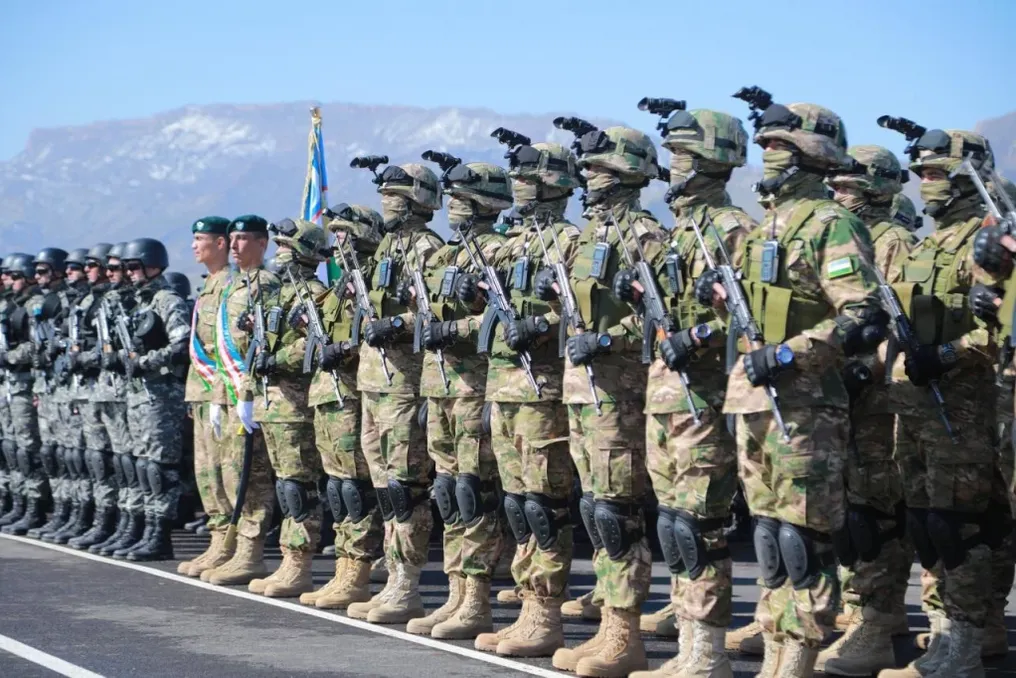
The process of finding national equivalents for foreign military terms continues in Uzbekistan. Previously, in January 2026, a list of 41 words was submitted to the Terminology Commission for review. However, the Institute of the Uzbek Language, Literature, and Folklore of the Academy of Sciences has prepared an updated list of 30 terms, some of which proposed translations differ from those presented in January.
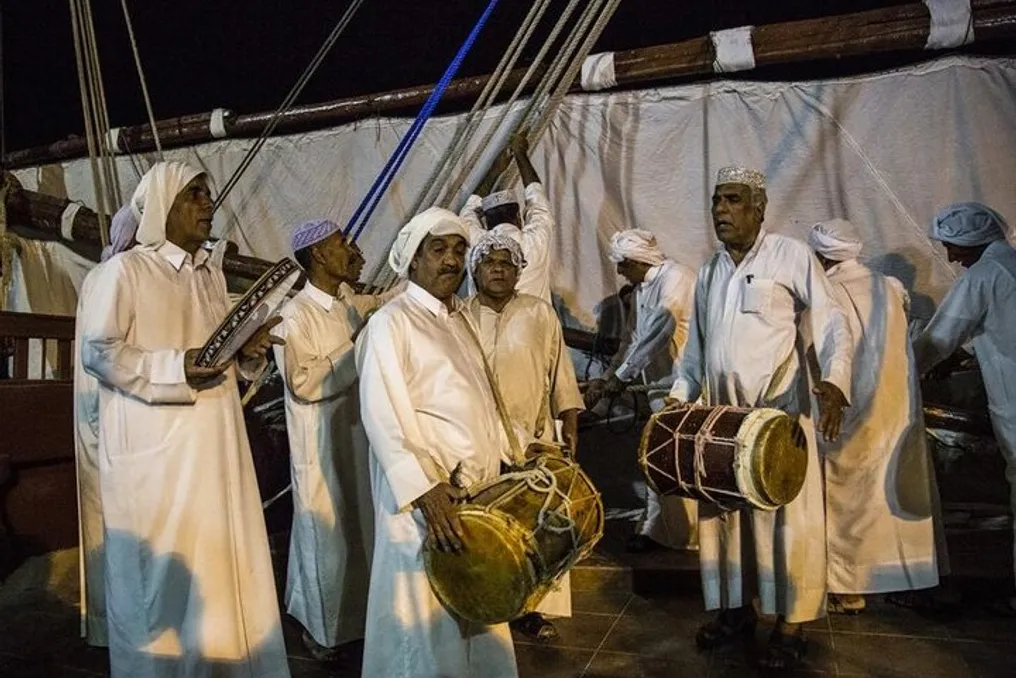
Changes have been made to the translations of some words: for example, for the term 'dubinka', Darra is now proposed instead of Tayoq. Similarly, for the word 'drum', Dovul was chosen instead of Nog‘ora, and for 'guardhouse'—Bandixona, replacing Tutuqxona. The translation of the word 'axleband' has also changed: initially, Zarhal bog‘ich was suggested, but now Zarband is used.
The updated list also includes new correspondences, such as 'body armor'—Zirhnimcha, 'cap'—Börk, 'sabotage'—Qo‘poruvçilik, 'saboteur'—Qo‘poruvçi, and 'chevron'—Uqa.
The full list of proposed terms includes pairs such as Axleband—Zarband, Apron—Shinak, Attack—Hamla, Drum—Dovul, Drummer—Dovulchi, Billet—Panajoy, Blockade—Qamal, Body Armor—Zirhnimcha, Blockpost—To‘siqpost, Mess kit—Yukxalta, Guardhouse—Bandixona, Horn—Burğu, Hornblower—Burğuçi, Sabotage—Qo‘poruvçilik, Saboteur—Qo‘poruvçi, Dubinka—Darra, Patrol—Erovul, Cockade—Jiğa, Kettle—Qozonça, Target—Nişon, Trench—Xandaq, Gas mask—Gazniqob, Regime—Tartibot, Trench line—Xandaq yo‘lagi, Alert—Bong, Trencher—Zanjirboğ, Tribunal—Harbiy mahkama, Cap—Börk, Fortification—Istehkom, and Chevron—Uqa.
According to information from the Academy of Sciences, specialists followed the norms of the Uzbek language and historical lexicon when forming these analogues. Works such as 'Boburnoma', 'Qutadgʻu bilig', 'Devonu lugʻotit Turk', as well as literary works by Alisher Navoi, Yusuf Khos Hajib, and Zakhariddin Muhammad Babur were used as sources. Additionally, materials from the 'Uzbek Explanatory Dictionary' and the 'National Encyclopedia of Uzbekistan' were utilized to prepare the list.