Geneticists identified the remains of medieval prince Ryurikovich in Novgorod
Read more
N+1
nplus1.ru

Geneticists identified the remains of medieval prince Ryurikovich in Novgorod

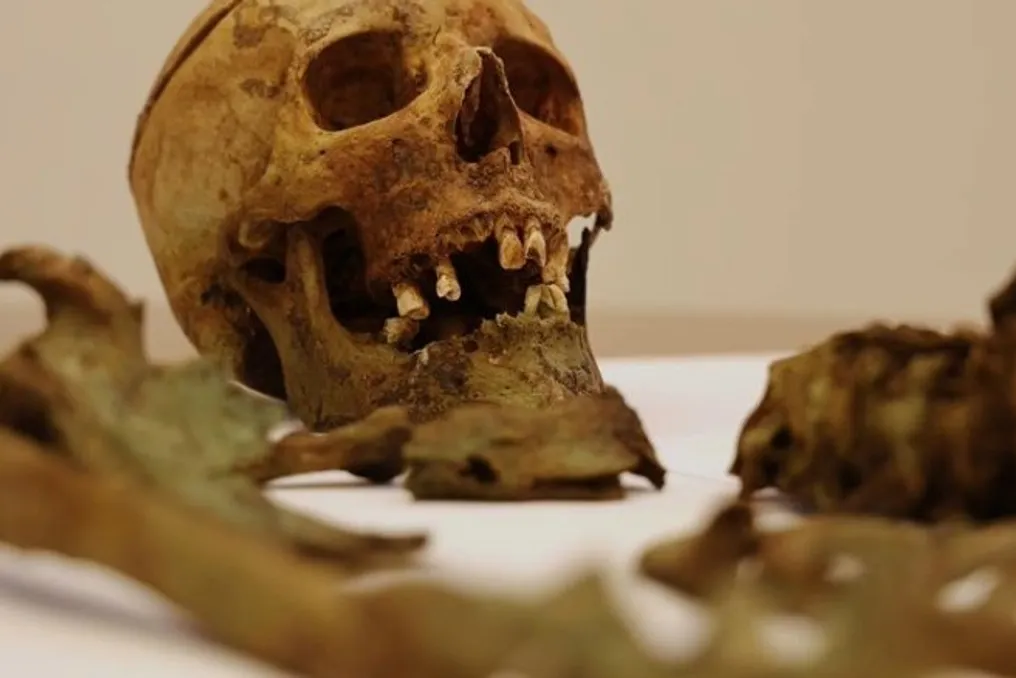
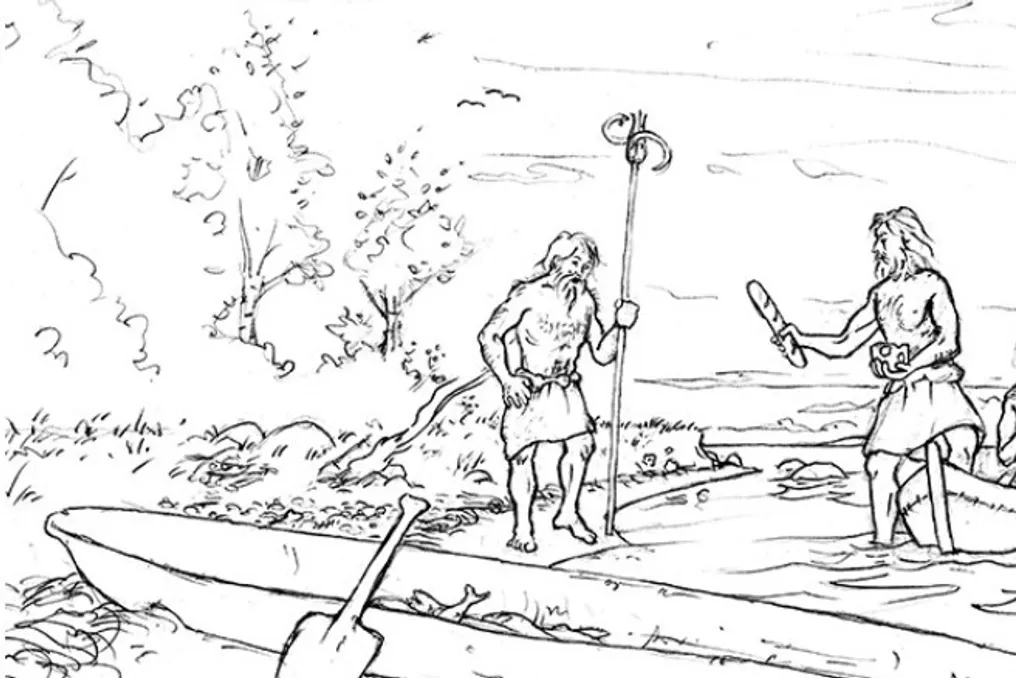
Russian scientists conducted a study of medieval human remains discovered in St. Sophia Cathedral in Novgorod. Genetic analysis determined that the male skeleton likely belongs to Prince Mstislav Rostislavich Khrabryy.

According to the study's data, this prince died in 1180. He was a member of the Rurikid dynasty, being a great-grandson of Vladimir Monomakh and a great-grandfather of Alexander Nevsky.

The results of this scientific work were presented in a publication in the journal Acta Naturae.

Similar stories

Shulaveri-Shomu culture burial discovered in Georgia, dating back to the Neolithic era
Read more
nplus1.ru

Shulaveri-Shomu culture burial discovered in Georgia, dating back to the Neolithic era

During archaeological excavations conducted in the Bolnisi municipality of Georgia, specialists discovered an ancient burial belonging to the Shulaveri-Shomu culture. These works are taking place at the ancient settlement of Mashavera-Gora, which is a monument of this Neolithic culture.

A burial object containing the remains of a child was found during the excavations. Scientists note that despite the large number of Neolithic settlements identified in Georgia, reliable burials from this period had not been found previously, unlike the situation in neighboring Azerbaijan, which was within the range of distribution of the same culture. This information was published on the official website of the Bolnisi municipality.

The Shulaveri-Shomu archaeological culture (also known as the Shulaveri-Shomutepian culture) is considered the first complete Neolithic community in the South Caucasus region. According to modern data, this culture emerged approximately 6000 BCE and existed for about two millennia.

Representatives of this culture led a lifestyle that included building small round dwellings made of mud bricks, practicing agriculture with livestock and grain cultivation, and making molded pottery. Furthermore, research over the past decades indicates a high probability that the bearers of Shulaveri-Shomu were among the first winemakers; traces of grape wine dating back about eight thousand years were found on ancient pottery extracted from central Georgia.

In addition, remains related to stone tools were found. However, it should be noted that the text also mentions the results of analysis of plant microfossils by Chinese researchers on artifacts from the Paleolithic site of Wenshuань, published in the journal npj Heritage Science, concerning plant processing 70–40 thousand years ago.
Ivan Zakmardi's Burial Discovered in Zagreb Cathedral
Read more
nplus1.ru

Ivan Zakmardi's Burial Discovered in Zagreb Cathedral

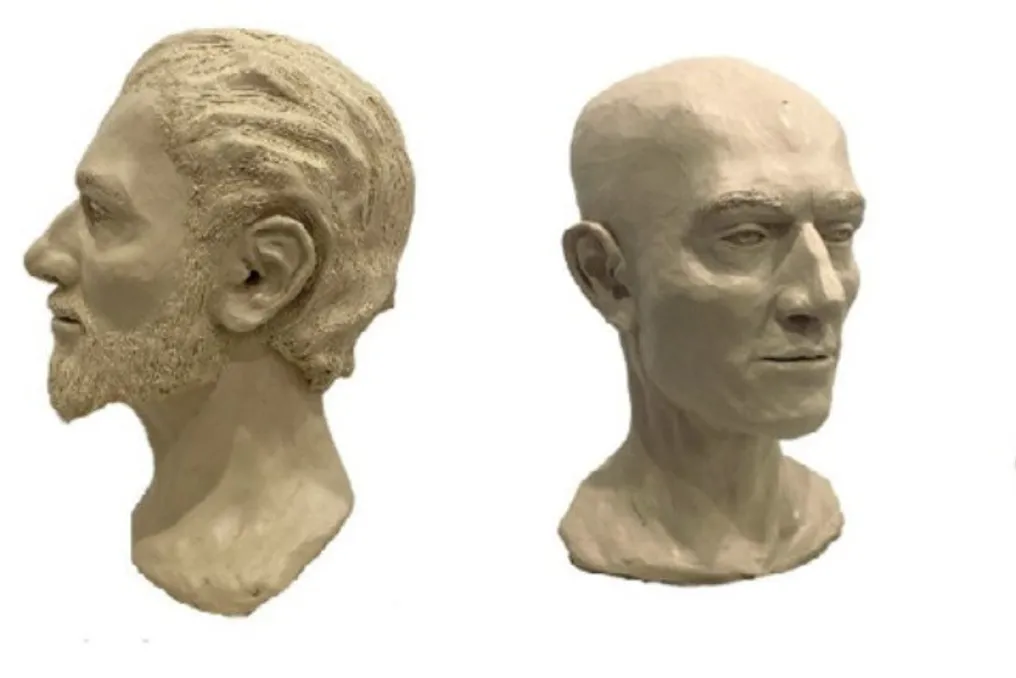
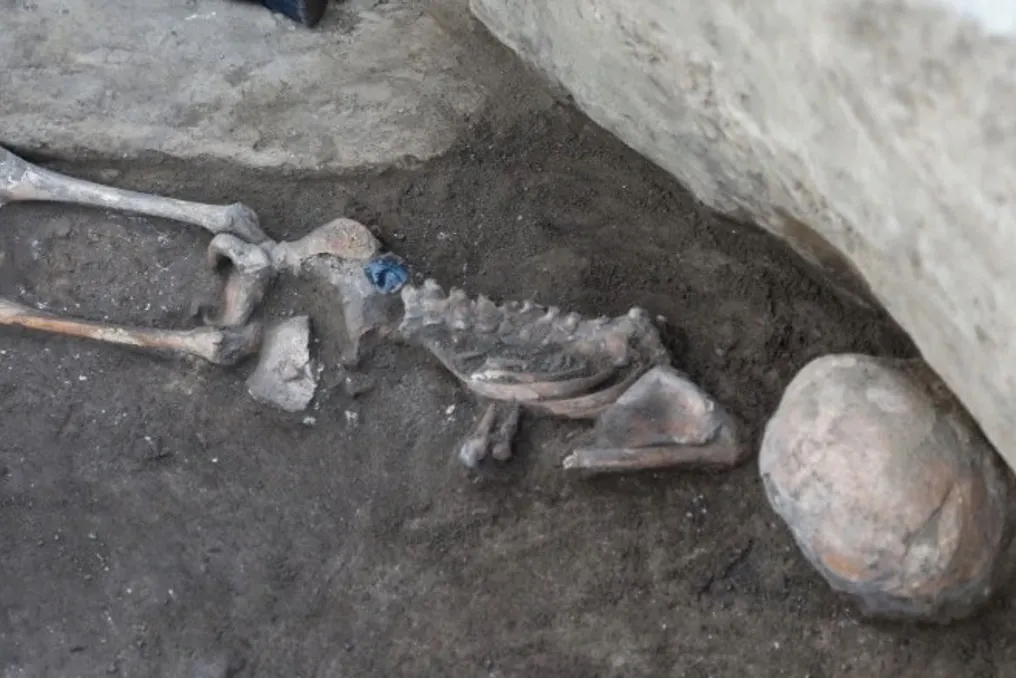
Croatian archaeologists conducted excavations in Zagreb Cathedral and discovered a lead coffin. It is assumed that the remains of Ivan Zakmardi, a well-known statesman who died in 1667, were in this coffin.

In addition to the remains of the elderly man, researchers extracted an iron vessel, which apparently contained his heart. Various artifacts were also found, including leather shoes with silver buckles, a medallion, prayer beads, and a gilded cross.

Information about this find was published on the official website of the Archdiocese of Zagreb.

Skeletal analysis showed that an ancient Scandinavian personally witnessed the beginning of the Neolithic in the region
Read more
nplus1.ru

Skeletal analysis showed that an ancient Scandinavian personally witnessed the beginning of the Neolithic in the region

Researchers continued to study one of the most interesting late Mesolithic skeletons discovered in Denmark. This individual from Rødthal represents the latest example of a hunter-gatherer in this region whose diet was not mixed with products brought by Neolithic farmers.

Isotopic analysis of this adult male revealed significant changes in his diet throughout his life. It was established that he began consuming agricultural crops during his adolescence.

According to information presented in the journal Antiquity, it is presumed that about 5800 years ago this individual witnessed the beginning of the Neolithic period in this area.

Popular