From 2027, the cost of labor patents for Uzbeks and other foreign citizens will increase in Moscow
Read more
Podrobno.uz [uz]
podrobno.uz

From 2027, the cost of labor patents for Uzbeks and other foreign citizens will increase in Moscow

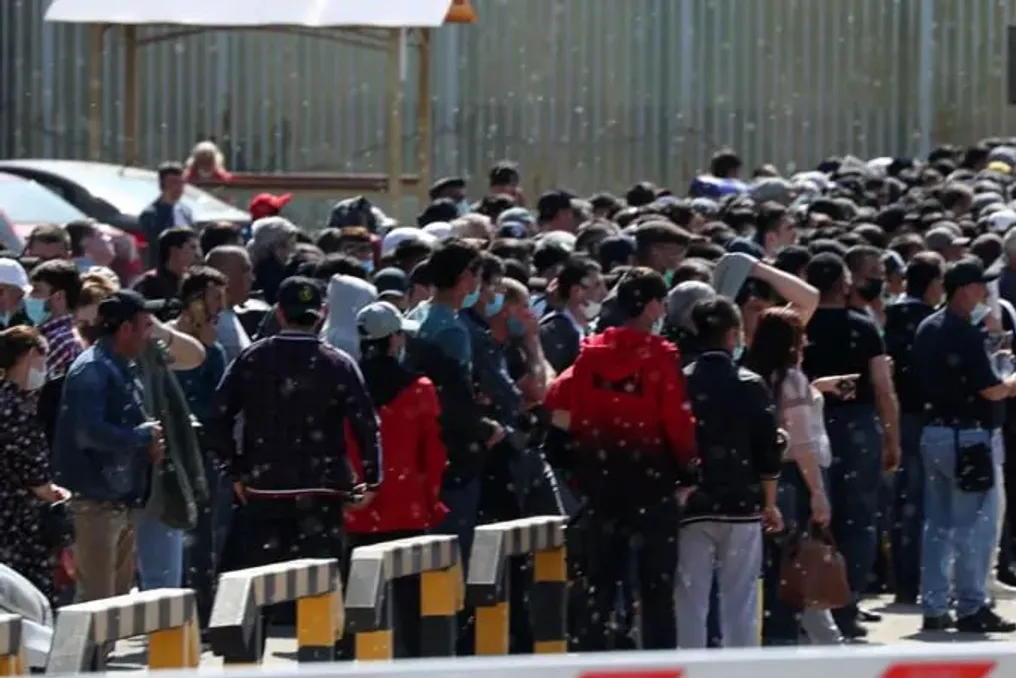
A decision has been made in the Russian capital to raise tariffs on labor patents for foreign citizens. These changes will take effect at the beginning of 2027, and the amount of monthly payment will depend on who is the migrant's employer—a company, an individual entrepreneur, or a private person.

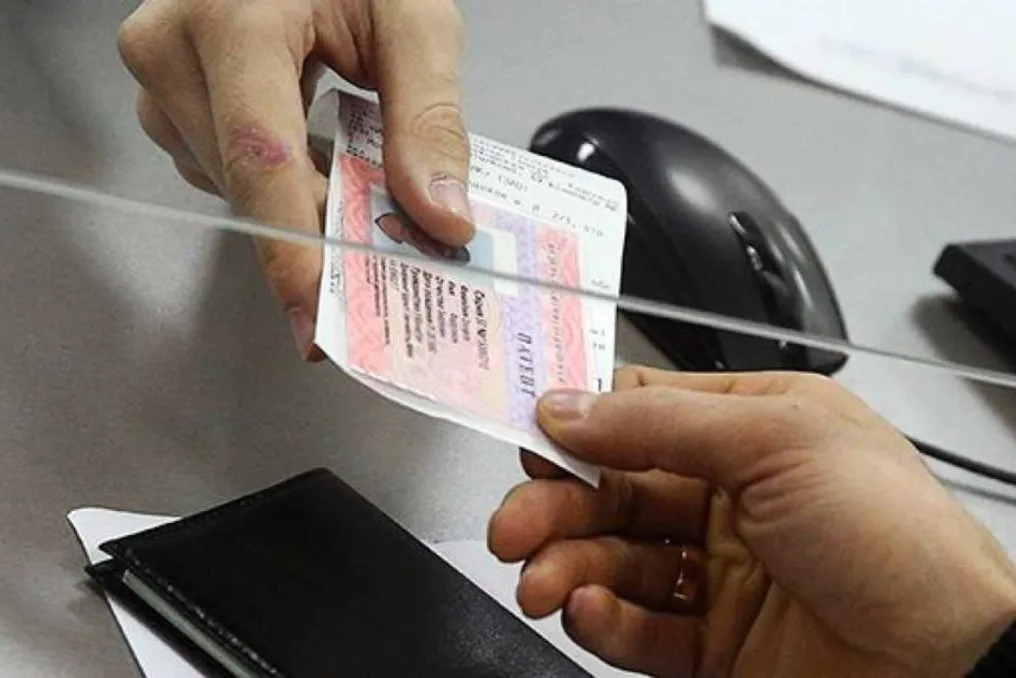
Amendments to tax legislation were approved by deputies of the Moscow City Duma on November 25. According to the new rules, starting January 1, 2027, foreigners employed in organizations or by individual entrepreneurs will pay a patent fee of 11 thousand rubles per month. Workers hired by private individuals to perform personal or domestic duties, such as nannies or housekeepers, will have to pay 15.6 thousand rubles.

The current cost of a labor patent in Moscow is 10 thousand rubles per month. This means that for the first group of workers, the payment will increase by 10%, and for the second category—by 56%.

Furthermore, a requirement for a minimum income level has been introduced for the first time, which a labor migrant must have to support themselves and their family. This threshold is set at 60 thousand rubles per month for families of one or two people and 80 thousand rubles for families with three or more members.

It should be noted that last week similar tariffs on labor patents were approved in St. Petersburg, and the same payment amounts will apply in the Leningrad region.

Similar stories

Labor migrants from Central Asia increasingly choose Europe as an alternative to Russia
Read more
podrobno.uz

Labor migrants from Central Asia increasingly choose Europe as an alternative to Russia

There is a growing trend indicating that labor migrants from Central Asia prefer European countries over Russia for work. This shift is driven by several factors, including the tightening of migration legislation in Russia, an increase in deportations, and a decrease in the economic attractiveness of earnings due to the weakening national currency.

According to information provided by the BBC Russian Service, there is a noticeable decrease in the number of Uzbek citizens employed in Russia. While their numbers were approximately 1.2 million during 2021–2022, this figure has now dropped to an estimated 834 thousand. Concurrently, interest in the European labor market is rising.

Many migrants state that they expect more reliable working conditions and a higher income level in European Union states. There is particular demand for workers in Poland, Germany, and the Baltic states. Recruitment agencies cooperating with people from Central Asia report a multiple increase in the flow of individuals seeking employment in Europe in recent years.

One of the key factors driving the outflow of migrants is cited as changes in Russian migration policy that occurred after the attack at Crocus City Hall. As a result of these changes, numerous new restrictions have been introduced for foreigners in Russia, and the number of deportations from the country has significantly increased.

An additional negative influence has been the decline in the appeal of money transfers, caused by the ruble exchange rate. Although wages in Russia remain significantly above the average income level in Uzbekistan, many workers have begun actively seeking other employment opportunities.

Nevertheless, working in Europe does not always yield the expected results. Some migrants encounter unscrupulous employers, discrepancies between stated working conditions and actual ones, as well as lengthy and complicated procedures for obtaining necessary documents. Furthermore, obtaining a work permit in EU countries proves to be a significantly more complex process than finding a job in Russia.

Experts emphasize that current levels of labor migration to Europe cannot yet compare with what is happening in Russia. According to various estimates, there are between a few tens and over one hundred thousand Uzbek citizens residing in EU countries, whereas in Russia, their numbers are still in the hundreds of thousands.

Thus, even with the growing popularity of the European direction, Russia retains its status as the largest labor market for migrants from Central Asia. Specialists believe that in the near future, EU countries will not be able to fully replace the Russian market due to visa barriers, language requirements, and lower demand for labor.

It was also noted that in 2027, Russia plans to introduce additional financial obligations for labor migrants arriving with non-working family members, with the changes primarily affecting foreign citizens with minor children.
Uzbekistan citizens made over 1.5 million labor trips to Russia in the first half of 2026
Read more
uzdaily.uz

Uzbekistan citizens made over 1.5 million labor trips to Russia in the first half of 2026

According to statistical data published by RIA Novosti, citizens of Uzbekistan visited Russia for employment purposes more than 1.5 million times between January and September 2026. This figure was the highest among all foreign citizens.

During these nine months, Uzbek citizens entered Russia 1,535,026 times for work. Overall, foreigners cited employment as a reason for entry more than 3.2 million times.

In addition to Uzbekistan, citizens of Tajikistan entered Russia for employment, taking second place with 665,892 entries. They were followed by citizens of Kyrgyzstan, who made 385,169 such trips.

Also, during the period from January to September 2026, 176,037 citizens of Kazakhstan and 127,176 citizens of China entered Russia for work.

For comparison, in the same period in 2025, Uzbek citizens made 1,771,406 labor trips to Russia. Thus, the number of entries decreased by 236,380 people compared to the previous year, which is approximately 13%.

Popular