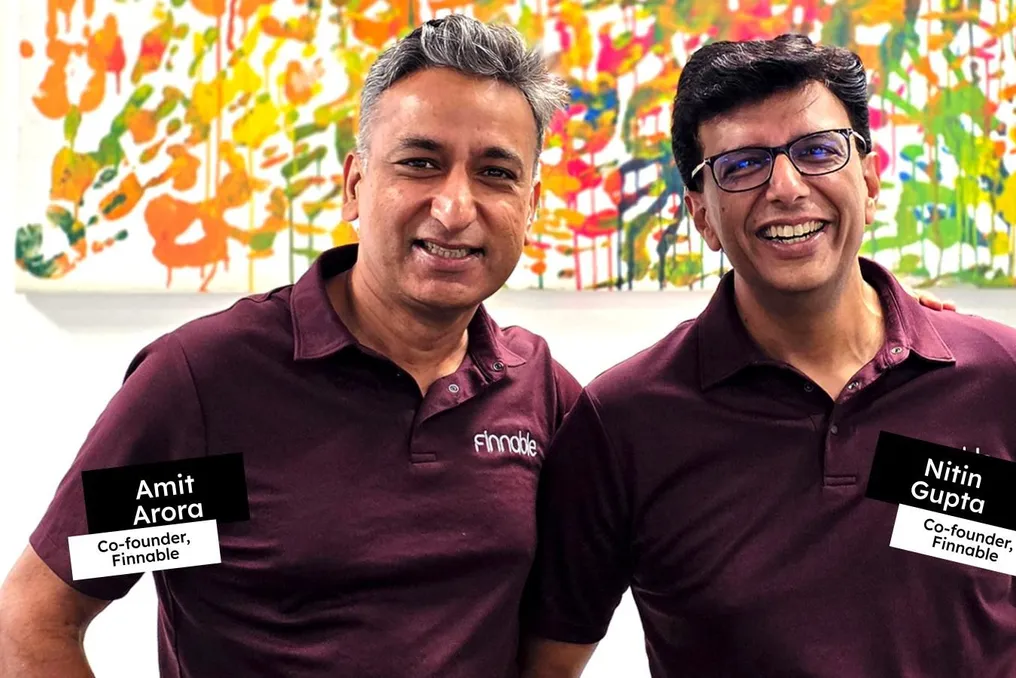
Finnable, a fintech company focused on the middle class, has raised $44 million (or 405 crore rupees) in a Series C funding round. These funds will be directed towards expanding product lending.
Finnable was initially created to address a problem faced by millions of Indians: large banks often refuse loans to young employees earning, for example, 30,000 rupees per month, even if they need funds for medical needs, weddings, or relocation.
The company specializes in serving salaried middle-class employees whose monthly income typically ranges from 15,000 to 50,000 rupees. Traditional lenders often treat this group as second-tier clients.
According to Equifax India credit bureau estimates at the beginning of this year, there are about 80 crore (80 million) such potential borrowers. Furthermore, in the first quarter of 2026, this group accounted for 79% of total retail loans in India, which reached 14 million.
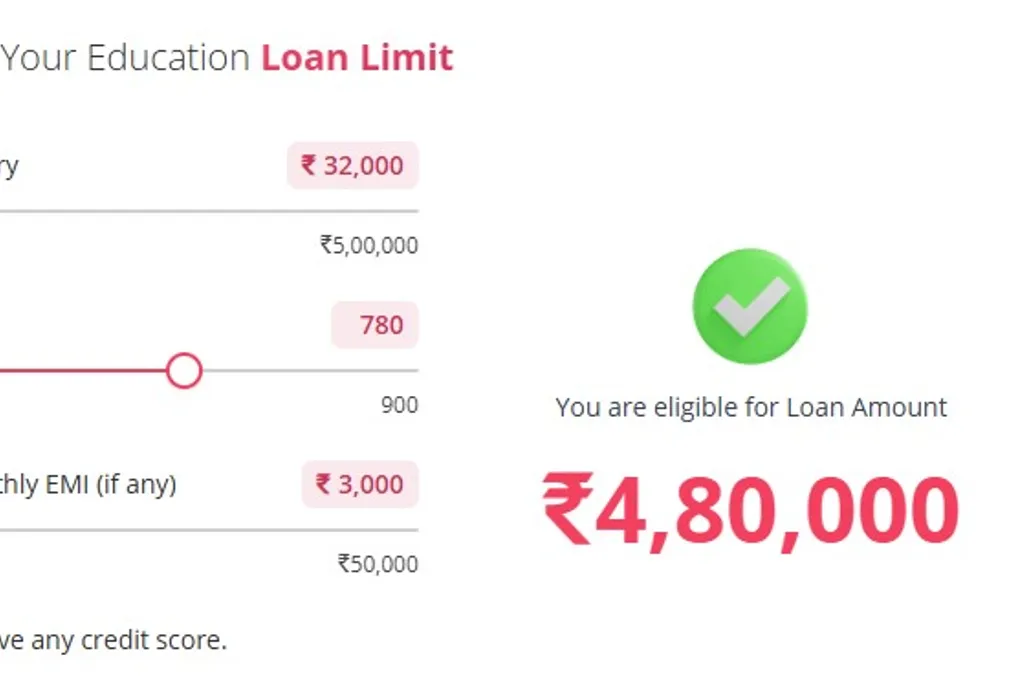
Finnable operates as a technologically advanced Non-Banking Financial Company (NBFC). The company's main offering is hassle-free personal loans that can be obtained quickly, ranging from 25,000 to 10 lakh rupees (equivalent to $270 to $10,815).
In June 2025, Finnable launched the 'Multi Product' option, allowing customers to take out loans secured by real estate. Although this product is in its early stages, the company plans to expand borrowing options for clients in the future. Additionally, the company is actively involved in consumer financing.
As of October 2026, Finnable's assets under management amounted to 4,600 crore rupees ($497.6 million). In the first half of the 2027 fiscal year, the company reported a profit after tax of 51 crore rupees ($5.53 million), exceeding its profit of 46 crore rupees in the 2026 fiscal year.
The new $44 million funding was secured with participation from Bharat Value Fund of Pantomath Group, which led the round by investing 150 crore rupees. New investors joining included Pratithi Investments and NK Squared. Existing partners also included TVS Capital and the family office of Manipal Group chairman Ranjan Pai.
Finnable's development plan includes three areas: firstly, expanding the lending portfolio, meaning increasing the number of loans on the company's balance sheet; secondly, increasing investment in its proprietary technology platform to accelerate risk checks and approvals; and thirdly, forming new partnerships in the lending chain.
The Reserve Bank of India reported that NBFC retail lending grew by 22% year-on-year in August, compared to 13.6% the previous year. Companies capable of scaling rapidly and remaining profitable will stand out in the market, and Finnable demonstrates the ability to achieve both.
However, risks exist: unsecured personal loans may face difficulties if the economic situation deteriorates, and the real estate-backed lending business is still in its nascent stage. Therefore, it is necessary to assess the quality of Finnable's assets, the growth rate of mortgage loans, and the sustainability of current profits.