Archaeologists discover 7,000-year-old sea turtle engravings in the mountains of Sharjah
Read more
Khaleej Times
www.khaleejtimes.com

Archaeologists discover 7,000-year-old sea turtle engravings in the mountains of Sharjah

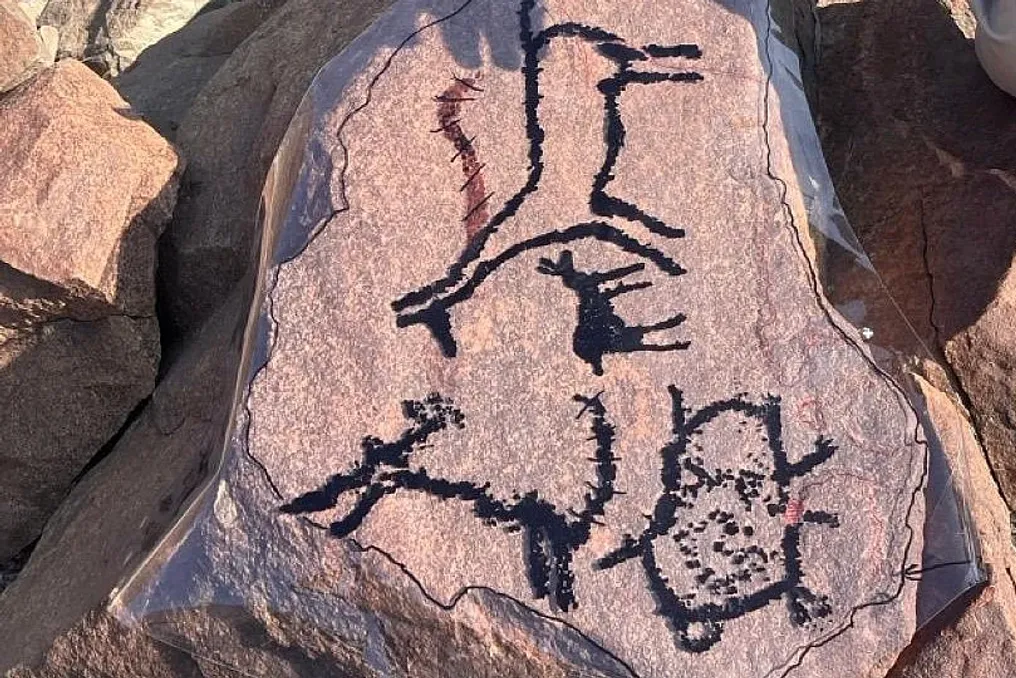
Archaeologists have discovered five rare engravings of sea turtles carved into stones deep within the Wadi Al Khelo mountains in Sharjah. This find may provide new insights into how prehistoric communities interacted with the coastal world thousands of years ago.

The Sharjah Archaeology Department announced the discovery on November 26, specifying that the engravings could date back approximately 7,000 years, possibly to 5000 BCE. This finding is particularly significant because the images of marine animals are located in mountainous terrain, far from the sea, raising questions about how the region's inhabitants learned about sea turtles and whether they maintained connections with coastal communities.

These five images were found on a recently documented panel of rock art during fieldwork conducted by the department this year. Local residents first pointed out the location in 2022.

Four of the five engravings apparently depict leatherback turtles, the largest species of sea turtle in the world. Researchers were able to identify this species due to characteristic lines carved along the turtles' shells, which closely resemble the ridges present on actual leatherback turtles.

This discovery is considered extremely rare, as only two other sites with a similar type of sea turtle rock art have been identified on the Oman peninsula. Thus, Sharjah becomes the third known site.

The presence of marine animals in the inland mountainous area has raised new questions regarding the relationship between communities living in the mountains of Sharjah and those situated along the coast thousands of years ago. Archaeologists are studying whether these engravings reflect direct interaction with sea turtles, knowledge gained through contact with coastal groups, or broader networks connecting inland settlements with the sea.

There is also a hypothesis that turtles may have held symbolic or practical significance for the people who created these images; researchers are considering the possibility that the animals were valued for medicinal purposes or carried a certain cultural meaning. Although scientists believe the engravings may date back to around 5000 BCE, their exact age has not yet been determined.
Similar stories

New analysis suggests rhinoceros petroglyph on Ushkanik Island might depict bison
Read more
nplus1.ru

New analysis suggests rhinoceros petroglyph on Ushkanik Island might depict bison

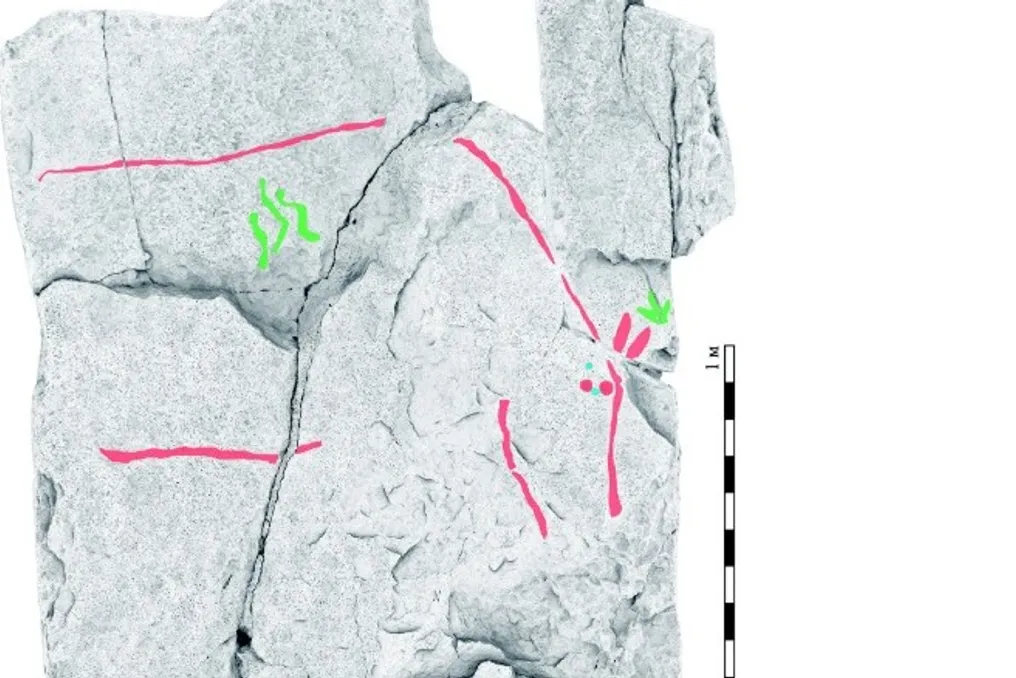
Russian researchers conducted a re-examination of an ancient petroglyph found on Ushkanik Island about ninety years ago. Previously, scientists believed that the rock might depict either a moose or a woolly rhinoceros.

However, the results of the new analysis indicate that the creator of this prehistoric image most likely intended to convey the image of a steppe bison. According to the authors of the publication in the journal 'Brief Communications of the Institute of Archaeology,' the age of this petroglyph is estimated to be at least nine thousand years old.

Natufian stone blades from Syria showed signs of use for grain harvesting
Read more
nplus1.ru

Natufian stone blades from Syria showed signs of use for grain harvesting

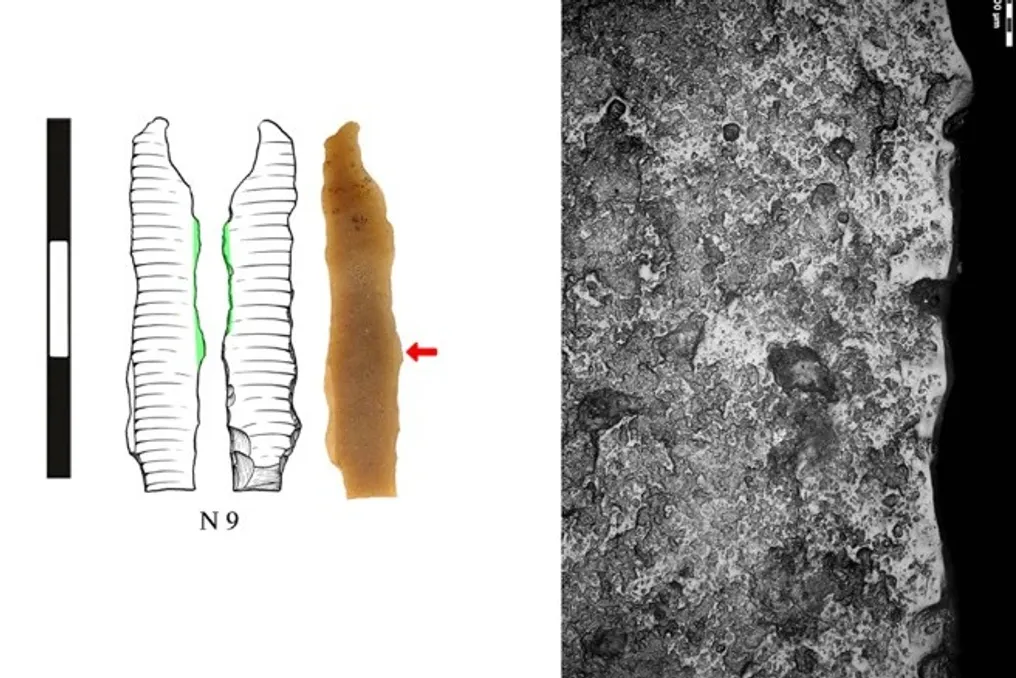
Archaeologists analyzed twelve sickle-shaped stone blades discovered in Syria at the Natufian site of Deffelik. The study indicated that the wear on these artifacts suggests that five of them, presumably around 14 thousand years ago, were primarily used for gathering wild grains.

The remaining tools, according to the analysis results, were used for processing various types of plants. This information was presented in a scientific publication published in the journal PLoS ONE.

Archaeologists discover evidence of large-scale ochre production by ancient Australians
Read more
nplus1.ru

Archaeologists discover evidence of large-scale ochre production by ancient Australians

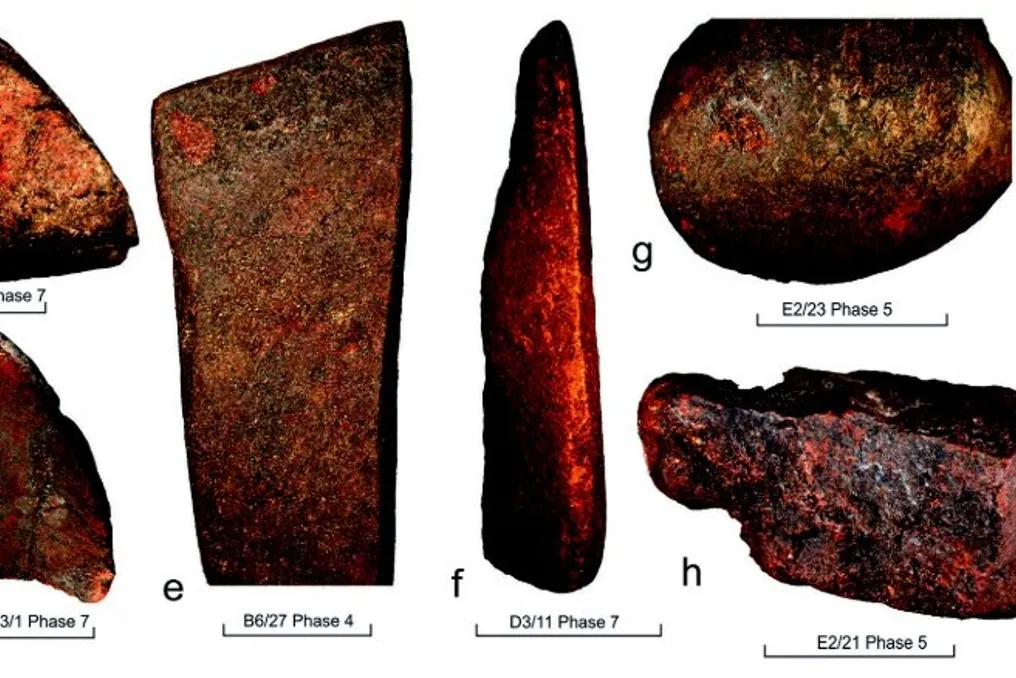
Researchers have discovered an extensive accumulation of processed ochre at one of the earliest human sites in Australia—the Majedbebe monument. Archaeologists have detailed the find resulting from excavations conducted more than ten years ago.

During these works, about six thousand fragments of paint were collected, weighing over 46 kilograms in total. According to the authors of the article published in Humanities and Social Sciences Communications, a significant portion of this material formed in the cultural layer approximately 65 thousand years ago.

Popular