Study shows Mexican porcupines fluoresce under ultraviolet light
Read more
N+1
nplus1.ru

Study shows Mexican porcupines fluoresce under ultraviolet light

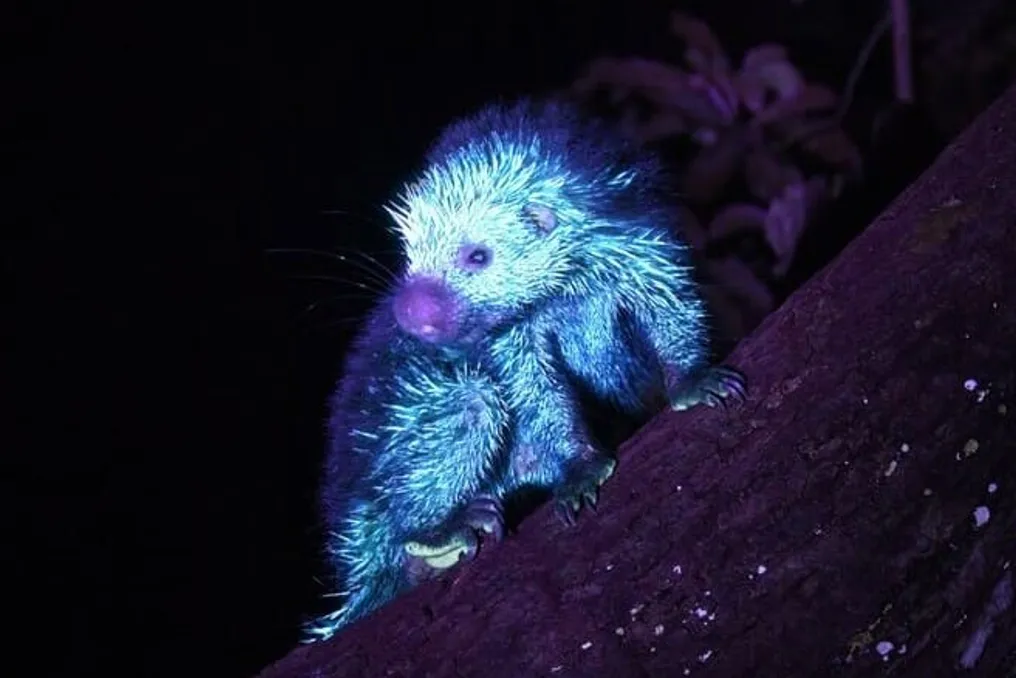
Zoologists have discovered that Mexican porcupines possess the ability to fluoresce. When live individuals are illuminated with an ultraviolet flashlight in the dark, areas where a large number of quills are concentrated emit a greenish-blue glow. Additionally, the animals' skin takes on a purple hue, and the underside of their paws and feet glows bright yellow.

Museum exhibits of Mexican porcupines also demonstrate fluorescence, but its intensity is significantly lower than that of live specimens. As with other mammals capable of this phenomenon, it remains unclear what the biological purpose of this trait is or if it serves any function.

Nevertheless, zoologists have already determined a practical application for this ability. According to them, thanks to the bright glow of Mexican porcupines under ultraviolet light, they have become easier to detect in tree canopies during nocturnal observations. The results of this scientific investigation were presented in the journal Neotropical Biology and Conservation.

Similar stories

Attention Test: Find the butterfly, rabbit, and monkey in the image in 10 seconds
Read more
www.aajtak.in

Attention Test: Find the butterfly, rabbit, and monkey in the image in 10 seconds

Images that appear completely ordinary are often circulated on social networks, yet they conceal specific details. These pictures allow people to test their eyesight and thinking speed. Such images are known as optical illusions or intelligence tests. Today, an equally interesting challenge is presented.

Your task is to find the hidden butterfly, rabbit, and monkey in the image in just 10 seconds. You need to carefully examine every part of the photograph. You might notice one of these elements at first glance, but finding the others will require more effort.

When solving this puzzle, do not rush. You should closely study the corners, central areas, and surrounding figures of the image. Sometimes our gaze fixes on obvious objects, overlooking figures hidden among them.

If you managed to find all three animals within ten seconds, it indicates good observation skills and the ability to notice small details. However, if you only found one or two, there is no need to worry; try again, focusing your attention.

If you cannot find the butterfly, rabbit, and monkey after many attempts, pay attention to the markers or circles placed on the image. All three figures are located in those spots.

Study shows artificial lighting around Kerala forests reduces the natural darkness necessary for wildlife
Read more
thebetterindia.com

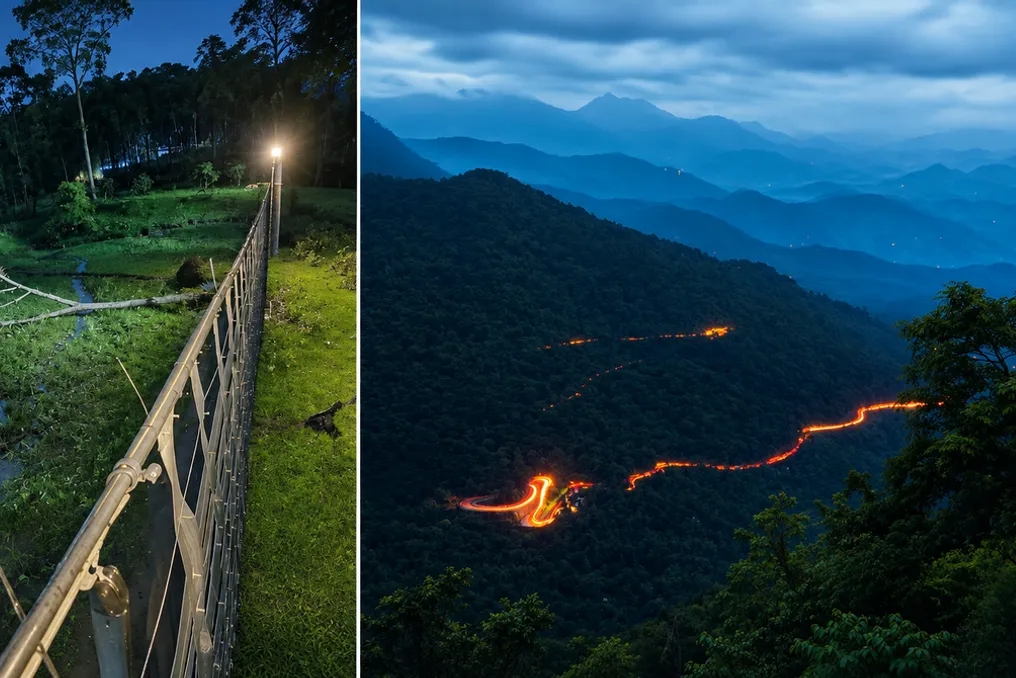
Study shows artificial lighting around Kerala forests reduces the natural darkness necessary for wildlife

The light we leave on potentially deprives Kerala's forests of the darkness they need. While light from roads, places of worship, or clusters of shops helps people lead daily lives, its glow can spread far beyond designated lighting zones.

For wildlife inhabiting the Western Ghats of Kerala, an important question arises: how naturally dark does the night remain inside protected forests? A team of four researchers began to answer this question.

Their study, published in the journal Biological Conservation in October 2026, involved mapping artificial light within and around 21 protected areas in Kerala, as well as analyzing roads, buildings, and other human activities associated with this light. The results revealed a conservation issue that is easily overlooked: even where forests have protected boundaries, light from adjacent areas can reach them.

What causes forest lighting?

Using satellite data from 2024, researchers S. Haripriya, M.S. Arjun, S. Gopakumar, and Vidyan Divya measured nighttime illumination in national parks and reserves. They then compared these measurements with maps showing nearby roads, religious structures, buildings, and centers of human activity.

The difference between forest tracts was striking. The western section of the Tiger Periyar reserve recorded the highest average and peak levels of satellite-measured light among all 21 areas, with an average emission of 0.369 and a maximum of 24.0.

Within protected areas, the strongest statistical link was established with the density of places of worship. In the surrounding landscape, road networks and areas where people gather or work proved to be more significant predictors. This distinction is important because the light affecting the forest can be linked to various types of human activity, and managing it requires knowing where to look.

However, light does not always reach its target as a visible beam; it can scatter in the atmosphere, illuminating the night sky at a distance. Researchers call this skyglow. The team studied areas extending up to 30 kilometers outside the forest boundaries. Their modeling showed that the wider surrounding landscape, especially the zone from 10 to 30 km, can contribute significantly to skyglow. This means that lighting decisions made several kilometers away from the forest can affect how dark the protected forest remains at night.

Why is darkness important for wildlife?

The Western Ghats are home to many endemic species, including animals active after dark. Natural cycles of light and darkness help wildlife navigate, find food, and follow their circadian rhythms. Other studies have shown that artificial lighting can alter animal behavior. However, this study in Kerala did not directly observe animals or measure their response.

This difference is important. The researchers identified the locations of artificial light and the features of the surrounding landscape associated with it. Understanding what these levels of illumination mean for different species will require further investigation. Lead author S. Haripriya also expressed interest in studying these ecological consequences in the future.

Can simple changes in lighting help protect these forests? For forestry departments and local authorities, this study offers something immediately useful: a way to identify areas where lighting requires closer attention. A brightly lit road at the edge of a forest can be assessed for upward or sideways-facing lamps. Places of worship and tourist attractions can consider whether full-night lighting needs to be maintained.

Among the options to consider are shielded fixtures, lower intensity lighting, and turning off unnecessary lights during periods of low activity while maintaining public safety. These are potential next steps, not changes already implemented due to this research. However, the findings can help forest officials, local communities, and those responsible for street lighting decide where actions will be most beneficial. For years, protecting forests meant paying attention to what happens within their boundaries. This study prompts a look beyond them. Sometimes, protecting the natural environment of a forest can start with something as simple as rethinking where, when, and how we use light.

Large crocodile spotted on road in Wagodia (Gujarat); video goes viral
Read more
www.aajtak.in

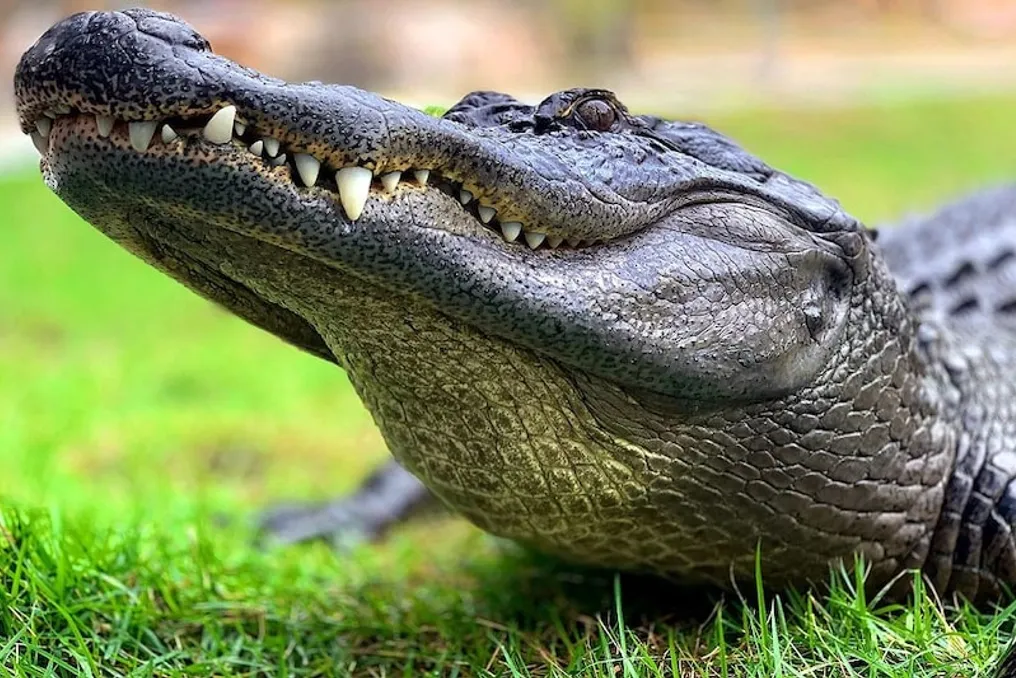
Large crocodile spotted on road in Wagodia (Gujarat); video goes viral

An event that shocked local residents occurred in Wagodia, a district of the Waghodia area in Gujarat state. Early in the morning, a huge crocodile was spotted walking fearlessly on the main street. This situation caused panic among passersby, and one of the witnesses recorded a video of the incident, which is now being widely discussed.

The incident took place near the Dolapura bus stand in Wagodia. According to information, around 5:40 AM on Monday, a motorcyclist was heading to work. At that moment, he noticed a giant crocodile roaming the street. Even in the quiet morning atmosphere, the appearance of the crocodile on the road surprised the motorcyclist.

Despite its impressive size and massive build, the crocodile continued to move along the road without any visible signs of fear. The motorcyclist gathered the courage and captured this unusual and frightening scene on his mobile phone. The video shows the crocodile calmly moving along the street.

When a car passed by, the crocodile became alert from the headlights. After that, it started sliding towards the ditch along the road and soon disappeared into the darkness, heading towards the fields.

The rivers Deva and Vishwamitri flow through the Wagodia area, where a large number of crocodiles inhabit. The Deva River also flows near the Dolapura bus stand. Because of this, the emergence of crocodiles from the rivers into residential areas and onto the streets causes concern among the local population.

Such sights begin to frighten people who go out to work or carry out other activities early in the morning and late in the evening. On one hand, the presence of a crocodile on the road sparks curiosity, but on the other hand, there is growing concern for the safety of pedestrians and drivers. The video of this morning incident has become a topic of discussion in the region.

Popular