For many decades, success in food security policy was determined by having sufficient reserves for a growing population. In the United Arab Emirates, this issue is resolved, and food security is fully ensured. However, the next stage of development raises a different question: how to guarantee that the provided food is suitable for a specific individual at the right time?
This transition from simply providing food to ensuring nutrition tailored to an individual's needs at every life stage is a clear indicator of the UAE's approach to well-being. By 2050, the global population over 60 will double to 2.1 billion, creating new demands on healthcare systems designed for a different era. A universal approach to dietary recommendations can no longer meet the needs of a population that lives longer and often faces chronic diseases more than previous generations.
The UAE recognized this trend early, shifting the focus of public health from treating diseases to a proactive model based on prevention, where nutrition plays a central role. The problem is not only aging populations but also that too many people spend their later years in poor health. Malnutrition, muscle loss, and frailty remain underrecognized issues despite their impact on recovery, independence, and quality of life. Medical nutrition can be a powerful solution, but awareness among patients, caregivers, and even the healthcare system remains limited. The UAE is actively participating in developing this discussion, paying increasing attention to prevention and the role of nutrition in health.
The National Healthy Eating Strategy until 2031, overseen by the Ministry of Health and Prevention, emphasizes the growing importance of nutrition as a public health priority. Both food processing and improving food standards, as well as raising awareness about how nutrition can support health—including for the elderly and individuals with special medical needs—are important. Long-term impact depends on close collaboration between policymakers, regulators, health authorities, and industry. Their task is to turn ambitious plans into practical, scalable solutions that make healthier choices accessible across the region. It is this alignment that transforms intentions on paper into measurable results.
Nowhere is this alignment more crucial than in specialized nutrition. Often viewed as a narrow clinical category, it encompasses two interconnected areas. The first is early childhood nutrition. Abu Dhabi's Early Childhood Affairs manages child health, nutrition, and protection as one integrated system, considering children under five as a strategic investment in the country's future. Early childhood nutrition follows the same logic, supporting the healthy growth and development of infants and children, including conditions such as cow's milk allergy, preterm birth, or metabolic disorders requiring precise nutritional management from day one.
The second area is medical nutrition, aimed at meeting needs arising from illness or health conditions, such as malnutrition associated with cancer, stroke, or frailty that can accompany aging. These two areas form a single continuum. The precision that supports an infant with a cow's milk allergy also helps an adult managing the consequences of illness later in life. Both aspects are based on the simple conviction that everyone, at any stage of life, can achieve better health through positive, precise nutrition provided at the right time. Supported by decades of research, this makes specialized nutrition a fundamental pillar of lifelong care, not just a last resort.
Science is only as valuable as its scope. For nutrition to play a major role in treatment outcomes, it must move beyond specialized institutions and enter routine practice. Healthcare professionals play a key role in this, guiding families toward the right nutritional choices at the right times. Therefore, the shift from aspirations to scaling is significant, including the goal of engaging 150,000 healthcare workers annually by 2030 to deepen general knowledge in medical nutrition.
In the UAE, this was demonstrated during key events at Duphat and VitaShow 2026, which gathered thousands of healthcare professionals from the region and beyond. Key highlights included CME-accredited sessions and scientific exchanges focused on clinical and adult nutrition, metabolic health, microbiome science, and oncology nutrition, fostering the development of evidence-based medical nutrition practices. Having secured adequate food supply, the UAE is now focusing on nutrition that serves people at all stages of life. Clear regulatory direction and commitment to preventive healthcare provide the country with a solid foundation. Further development requires the involvement of patients, caregivers, and healthcare professionals in this dialogue.
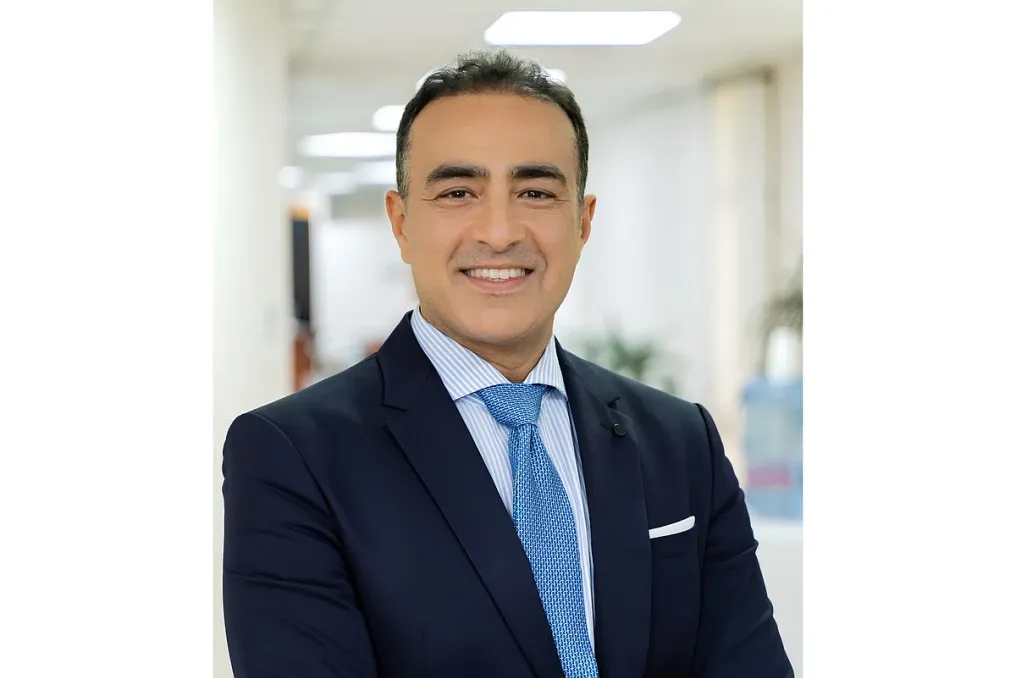
The future of food is becoming more personal and, importantly, more intelligent. The UAE demonstrates what this looks like when policy, science, and industry move in the same direction. Walid Hamza is the General Manager of Danone in the Middle East and North Africa region.