A recent study, released by the Movement for Education for All (MEPT), revealed that basic education in Mozambique receives 442 million euros annually, which represents a deficit of 233.3 million euros compared to the values needed to guarantee minimum quality standards.
The findings were presented by Luís Mutondo, MEPT advocacy officer, during the launch of the 'Classrooms for All' initiative. This event was held in partnership with the Public Policy Laboratory (LPP) and the Mozambican Association for Concerted Development (AMDEC) in Maputo city.
Mutondo explained that the research conducted by the organizations indicates that the government of Mozambique should invest approximately 741 million dollars (equivalent to 675.4 million euros) annually in basic education, exceeding the amount currently allocated.
He detailed that between 2020 and 2024, the Mozambican state allocated an average of only 485 million dollars (442 million euros) to basic education, while the ideal would be to allocate about 741 million dollars.
The official stressed that the current funding corresponds to an average of 3,650 meticals (52 euros) per student per year, a value lower than the 5,501 meticals (78 euros) required to maintain minimum quality standards.
This calculation is based on the model called 'Initial Student Quality Cost,' which considers expenses for teachers, teaching materials, and school infrastructure. Mutondo emphasized that, for students from the first to the ninth grade, the ideal annual cost should be around 5,501 meticals, covering everything from classroom construction and maintenance to teacher remuneration and book acquisition.
MEPT warned about the sector's high dependence on international partners for investment, mentioning that nine out of ten global meticals allocated to education come from external sources.
Mutondo advocated for the urgency of seeking innovative methods so that the Mozambican state develops its own financing capacity for the sector's needs. He also pointed out a failure in the international commitments made by Mozambique, given that there are no clear guidelines on the proportion of resources that should be allocated to infrastructure investment.
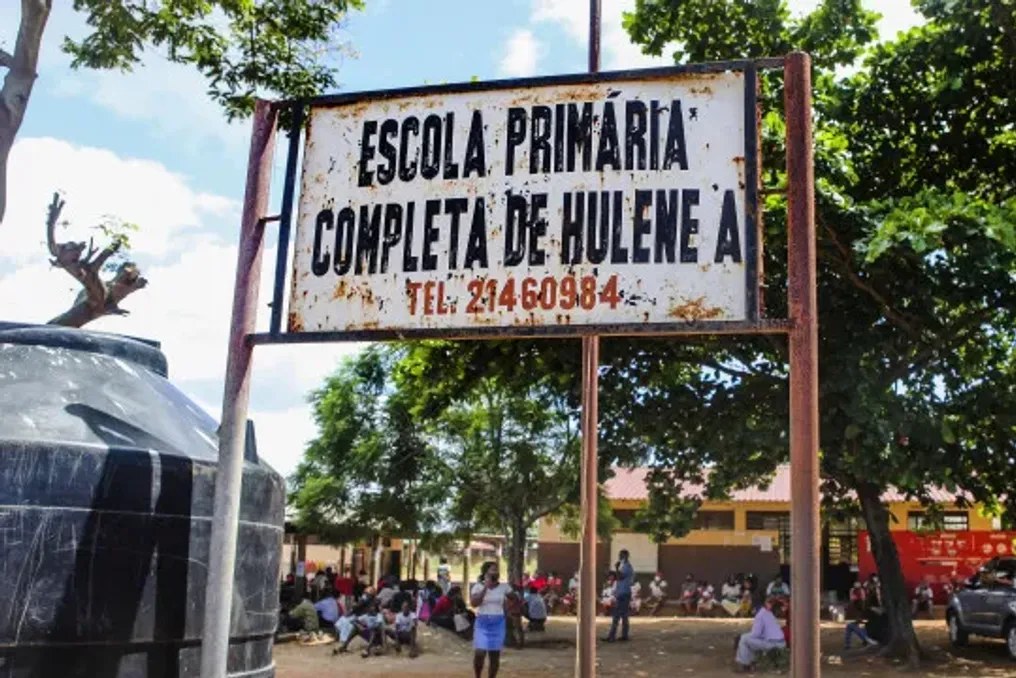
José Dias, executive director of LPP, commented that although there has been significant progress in expanding access to education in recent decades, this growth has not been accompanied by the development of school structures, which has intensified problems of overcrowding and lack of adequate learning conditions.
Dias questioned the system given that about 1.6 million children enter primary school annually, considering the existing deficit in classrooms and infrastructure.
Citing data updated by the Ministry of Education, he informed that the country currently has 29,168 classrooms classified as precarious, 9,290 classes operating outdoors, and a deficit of 578,779 school desks. For Dias, the lack of infrastructure directly hinders the assimilation of fundamental skills such as reading, writing, and calculation, and the allocated funds will be managed by the Ministry of Education itself.