Japanese engineers developed a robotic head mimicking human facial expressions
Read more
N+1
nplus1.ru

Japanese engineers developed a robotic head mimicking human facial expressions

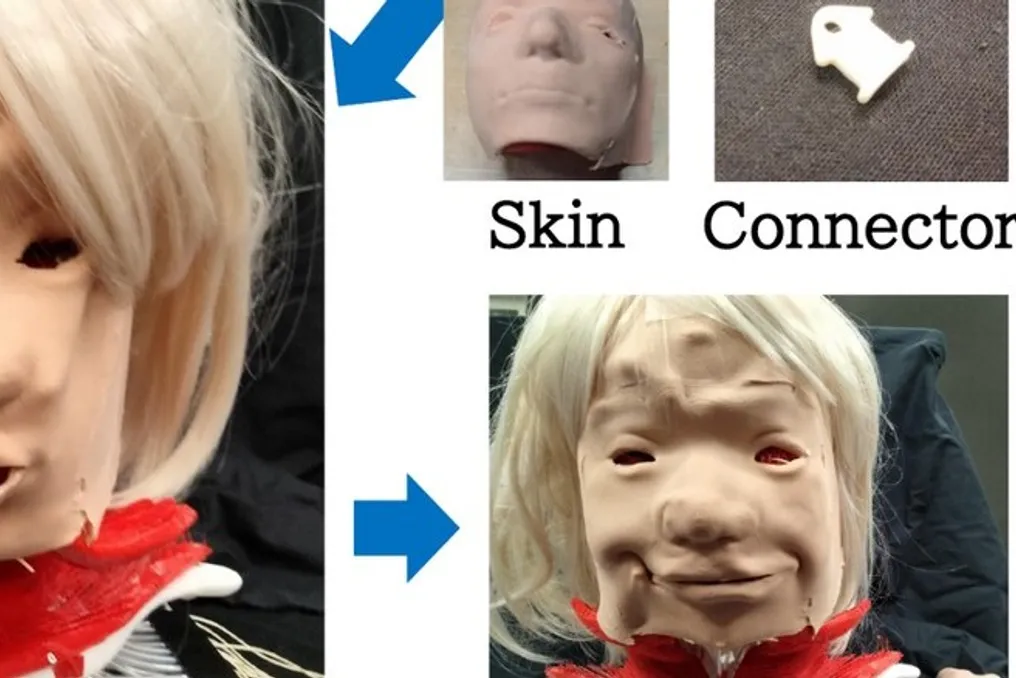
Japanese engineers have successfully created a robotic head capable of reproducing the anatomical structure of a human face. This construction is equipped with sixty-five muscles, which are printed from thermoplastic polyurethane and controlled via a cable drive. The robot's outer surface is covered with silicone skin.

The created robot demonstrates the ability to reproduce thirty out of forty-seven basic movements inherent to the human face. Among these functions are wrinkling the nose, frowning the eyebrows, and raising the corners of the mouth. More detailed information about the project is available on the official website.

Similar stories

Texas Woman Turns Facial Surgery Bones into Jewelry
Read more
www.aajtak.in

Texas Woman Turns Facial Surgery Bones into Jewelry

A resident of Texas in the USA found an unusual way to preserve bones extracted during a surgical operation. At the age of forty, a woman named Aubrey turned small bone fragments removed during facial surgery into custom-made earrings.

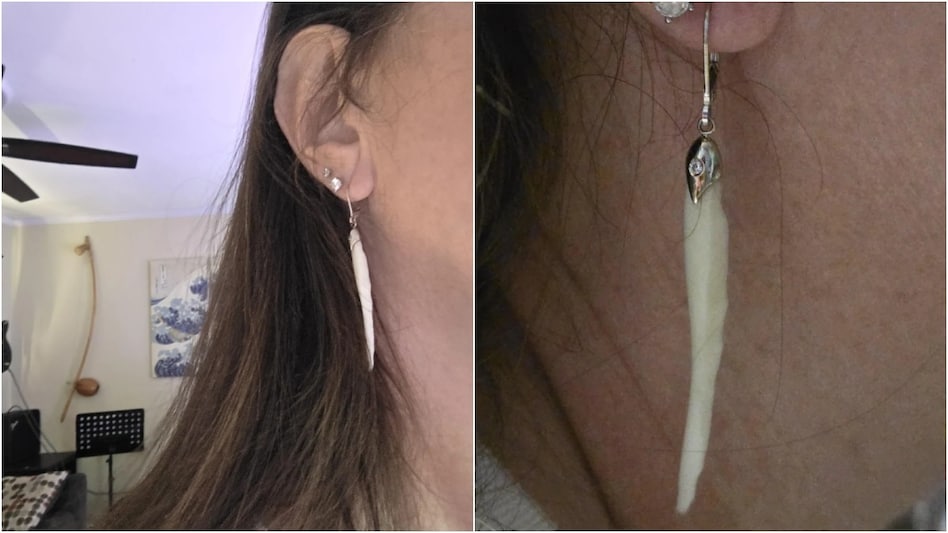
These earrings, made of white gold and zirconia, are not just an ornament for her but a special reminder of her life and self-identity. Aubrey shared photos of these earrings on social media.

She recounted that earlier this year, during a facial feminization surgery, doctors allowed her to keep small pieces of bone that were taken from her face. After that, Aubrey began searching on Reddit for an artist who could transform these bones into jewelry. Ultimately, she managed to find a custom jeweler who brought her idea to life.

Aubrey is a transgender woman, and the facial feminization surgery was part of her transition process. Speaking about her life in an interview with Newsweek, she mentioned that she had always felt different from others but couldn't accept her transgender identity for a long time. Later, she decided to acknowledge her identity to herself and loved ones.

Facial Feminization Surgery (FFS) involves changes to the bone and soft tissues of the face to give it more feminine features. During the surgery, Aubrey preserved bone fragments from different parts of her face. FFS can alter various areas of the face, including the bones of the nose, jaw, and chin.

Possible procedures include reducing or reshaping the prominent forehead bone, as well as advancing the hairline to create a smaller forehead. The Brow lift procedure is used to change the shape and position of eyebrows. Additional tissues or skin around the eyes can be modified with eyelid surgery. The width, bridge, tip, and overall size of the nose are also changed. Fat grafts or implants may be used to give the cheeks a more convex or rounded shape.

Aubrey's custom earrings contain bone fragments extracted during the operation and are set in white gold with small zirconia stones. She reported that she still has other bone fragments and plans to create a necklace from them in the future.

For Aubrey, these earrings mean more than just attracting attention; she views them as a symbol of her transition and acceptance of her identity. People who saw these unique earrings expressed their amazement, and Aubrey noted that many called them some of the most stunning and original things they had ever seen.
Japanese Engineers Created TwinX Robotic System for Cargo Transport
Read more
nplus1.ru

Japanese Engineers Created TwinX Robotic System for Cargo Transport

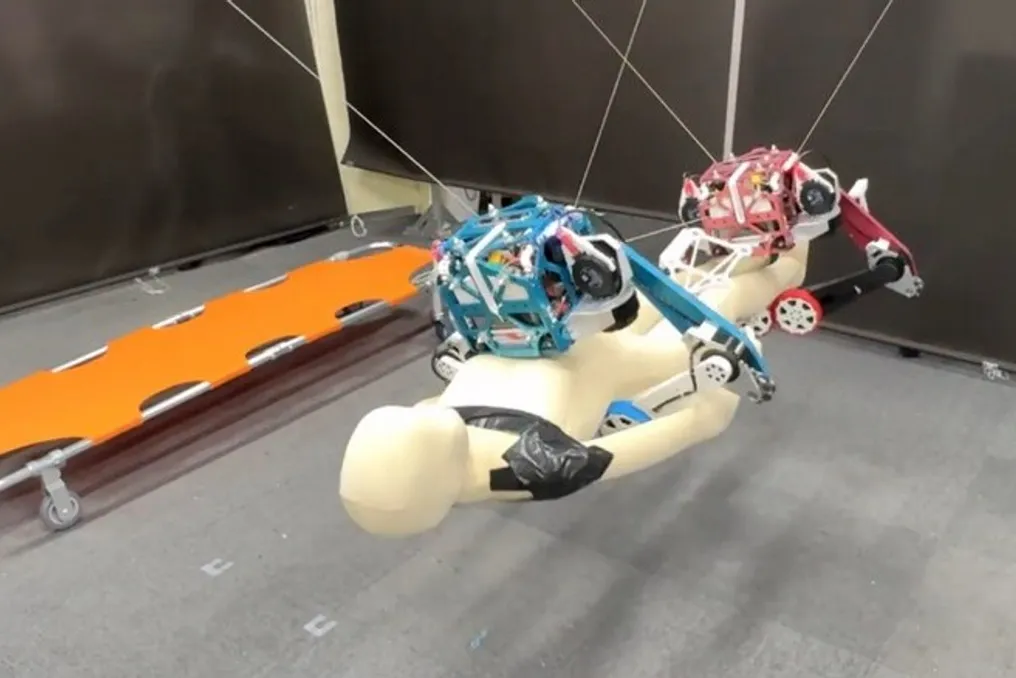
Engineers from Japan have developed a cable parallel robot called TwinX. This system is based on the use of two identical bipedal robots equipped with wheels.

The robots are attached to surrounding supports via cables, and they are connected by an additional cable. This design allows them to move synchronously in the air and jointly transport various objects, using their legs as mechanical grippers.

During tests, TwinX successfully lifted a human mannequin from the floor surface and then transported it onto a stretcher. The results of this development were presented in the scientific publication IEEE Robotics and Automation Letters.

Japanese engineers created artificial muscles and ligaments for robots from polyurethane
Read more
nplus1.ru

Japanese engineers created artificial muscles and ligaments for robots from polyurethane

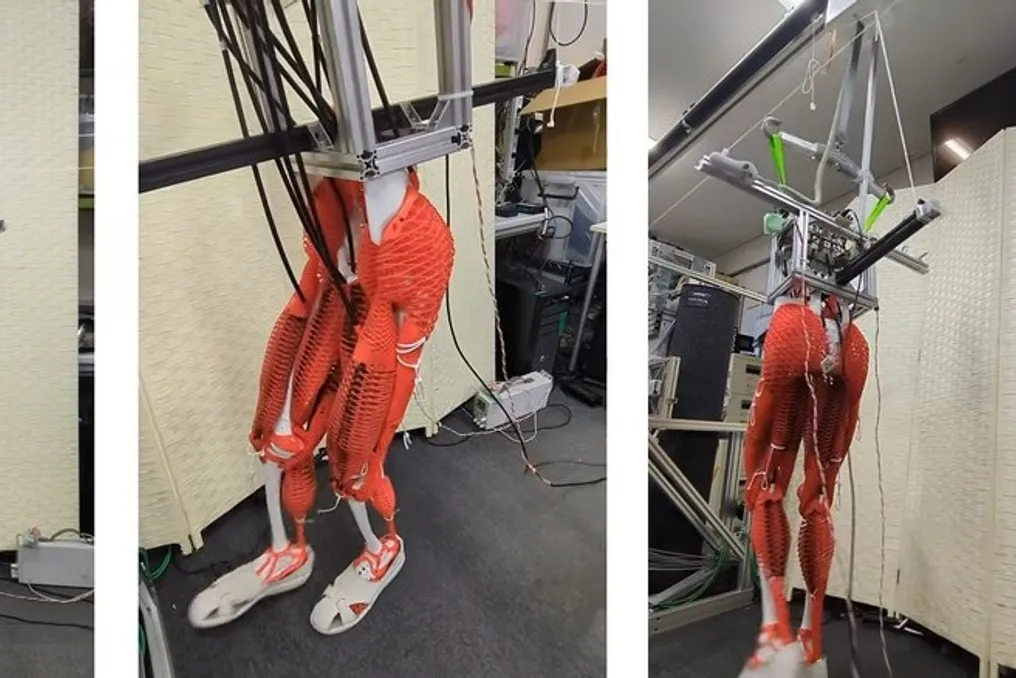
Engineers from Japan have developed elastic components capable of imitating the functions of muscles, ligaments, and tendons, intended for use in musculoskeletal robots. These elements are manufactured using 3D printing and take the form of lattice structures.

The characteristics of these structures, including their stiffness and elasticity, can be adjusted by changing the thickness of the rods forming the lattice, as well as by modifying the size of the cells themselves.

Thanks to this technology, researchers have managed to create full-scale robotic limbs resembling human legs that are capable of reproducing movement patterns characteristic of walking. The results of the work were presented in the scientific journal Advanced Intelligent Systems.

Popular