
Residents in China use insulating coatings on walls to retain heat in homes
Read more
Aaj Tak
www.aajtak.in

Residents in China use insulating coatings on walls to retain heat in homes

As the cold season approaches, people are most concerned about how to keep warm in their homes. Some use heaters to protect themselves from cold winds, while others rely on warm clothing and blankets. However, there is a method in China to protect houses from the cold that might surprise many. In many places, people install a thick, foam-like layer on the exterior walls of their homes. The goal of this is not only to give the walls a new look but also to maintain warmth inside the house.

A video that appeared on social media shows this practice. It features a person attaching a thick black insulating sheet to the exterior wall of a house. They use a machine to firmly affix this sheet to the wall. At first glance, it looks like gluing a large piece of foam to the wall, but in reality, it is a special technology used to protect the house from weather conditions.

Essentially, this is called External Wall Insulation. Special insulating panels are mounted on the exterior walls of the house. These panels function as a protective barrier, limiting the penetration of external temperatures into the room. In several regions of China, temperatures drop very low in winter. Under such conditions, simply closing doors and windows is not enough to maintain heat in the house, as heat can escape through the walls.

To reduce this problem, an insulating layer is applied to the exterior walls.

This technology provides the greatest benefit in winter. When heat is generated inside the house using heaters or other sources, the insulating layer helps prevent this heat from dissipating quickly through the walls. As a result, the indoor temperature remains more stable. Furthermore, people may need to spend less time turning on heaters, which not only makes the home comfortable in cold weather but also saves electricity and heating costs.

The benefit is felt in summer too.

One might assume that installing foam on walls only benefits winter, but this is not the case. This technology is effective in summer as well. When it is very hot and sunny outside, the insulating layer slows down the influx of external heat into the house. This helps maintain the internal temperature and reduces dependence on air conditioners. This is why wall insulation is considered beneficial for ensuring comfort throughout the year.

Not all foams are the same.

These layers attached to the walls differ from ordinary packaging foam. Various types of insulating materials are used for this purpose, including EPS, XPS, and rock wool. After these materials are installed on the walls, a protective layer, such as mesh and plaster, is applied over them. This protects the insulating panels from direct exposure to the weather and makes the exterior surface of the wall durable. Nevertheless, it is crucial to choose the right material for this job, paying close attention to fire safety, moisture resistance, and construction quality. Improperly installed insulation can cause damage.

Can this technology be applied in India?

Insulation technology can also be used in India to protect homes from heat and cold, especially in regions where temperatures drop significantly in winter or when there is intense heat in the summer. However, local climate, house construction, and the selection of appropriate materials must be taken into account. Overall, this thick, foam-like layer applied to the walls of houses in China is not decoration, but a way to protect the house from weather conditions. It can help retain heat in winter and provide coolness in summer, which piques the curiosity of those who see this layer.

Similar stories

Eight Simple Ways to Keep Warm in the House During Winter Without Using Heaters
Read more
thebetterindia.com

Eight Simple Ways to Keep Warm in the House During Winter Without Using Heaters

The winter period is often accompanied by cold floors, cool corners, and searching for a sunny spot in the house. Many of us observed as children how our grandparents prepared for the season, taking out thick cotton blankets, laying out handwoven rugs, and opening curtains to let in the daylight.

These simple habits can still help maintain a comfortable temperature, reduce electricity bills, and make better use of existing items. Eight traditional and eco-friendly methods are presented that allow you to make your home warmer this winter without constant reliance on room heaters.

How to Maximize Winter Sunlight

It is necessary to open curtains and shutters in rooms that receive direct sunlight during the day, allowing the sun to illuminate floors, walls, and furniture. When evening comes, the curtains should be closed to reduce the feeling of cold penetrating through the windows. Thicker curtains can create an additional barrier between the room and the cold window glass. This method is a modest form of passive solar heating. Traditional houses in this country were often designed with local climate in mind, using natural light, ventilation, and local materials. Indian folk architecture offers useful examples of how traditional building structures interact with natural conditions to create comfortable living spaces.

Using Traditional Blankets and Coverings

A well-stuffed cotton blanket, wool throw, or plaid can make the bed cozy without consuming electricity. On particularly cold nights, it is recommended to place a lighter blanket under a thicker one. An extra throw should be kept near the sofa on cool evenings. Instead of changing bedding every winter, it can be aired out on a dry, sunny day and weak seams or worn covers can be repaired. It should only be stored after being completely dry, preferably in a clean cotton bag. Reusing and caring for bedding extends its lifespan and reduces unnecessary purchases.

Covering Cold Floors with Rugs and Runners

Stone and tiled floors can feel especially cold early in the morning during winter. In frequently used areas, such as near the bed, next to the sofa, and in a reading corner, cotton runners, wool rugs, or existing carpets should be placed. It is not necessary to cover the entire floor; a few strategically placed rugs can make daily spaces more comfortable. If you already have a handwoven runner, it is better to use it instead of buying a new synthetic rug. Regularly shake it outside and keep it dry to prevent dampness and unpleasant odors.

Layering Natural Fabric Clothing

A wool sweater, shawl, socks, and comfortable slippers can significantly increase comfort in a cool room. Several layers should be worn, which can be added or removed as the temperature changes. Wool items and inherited clothing can last for years with proper care. If something new is needed, it is worth considering repairing old clothes or purchasing a durable item from a local manufacturer, instead of choosing an item that may only last one season.

Using Old Fabrics to Block Cold Air

Cold air can seep through gaps under doors and around windows. Instead of buying plastic seals, old household textiles should be used. An old towel can be rolled up or sewn from leftover cotton fabric into a long cushion and placed under doors to restrict the entry of cold air from outside. Window frames must be checked for gaps, and suitable removable sealing strips should be used if necessary. However, ventilation openings should be avoided, especially in kitchens and bathrooms, as homes require adequate air exchange.

Spending More Time in One Sunny Room

Instead of trying to warm up every room equally, daily activities should be organized in the part of the house that receives the most sunlight. Move a chair, desk, or floor cushion closer to the sunny spot during the day. Close doors to unused rooms, especially those that remain noticeably colder. This helps maximize available natural heat without the need for additional appliances.

Inspiration from Traditional Himalayan Homes

Traditional dwellings in colder regions of the country offer valuable lessons in sustainable construction. Kath-Kuni type houses in Himachal Pradesh use alternating layers of stone and wood, possessing thick walls and clay plaster. Their structure promotes interior insulation and heat retention. The revival of Kath-Kuni architecture in Himachal Pradesh demonstrates how traditional building methods and local materials can preserve architectural knowledge. Similarly, Ladakh traditionally used clay, stone, willow, and poplar to withstand the region's harsh winters. Traditional building techniques in Ladakh serve as an example of how natural materials can be integrated into modern homes. Although these construction methods cannot be directly replicated in apartments, they emphasize the importance of choosing materials and design appropriate for the local climate.

Maintaining Dryness and Ventilation in the House

Damp rooms can feel colder and promote mold growth. When the weather is favorable, wet clothes should be dried outside, condensation on windows should be wiped, and extractor fans should be used in the kitchen and bathroom while cooking or bathing. Periodically open windows briefly when external conditions are suitable to ensure fresh air circulation. Keeping the house warm should not mean completely sealing it; adequate ventilation is important for maintaining a healthy indoor environment.

Creating a Warm Home Through Conscious Choice

Comfortable living during the winter does not always require expensive appliances or major renovations. Traditional architecture also teaches lessons on creating homes that harmonize with the environment. By combining these practices with conscious consumption, households can stay warm while reducing unnecessary energy consumption. These measures may not replace safe heating during severe frosts, but they can reduce the need to constantly rely on heaters.

Six ways to warm a bedroom in winter without using heaters
Read more
www.aajtak.in

Six ways to warm a bedroom in winter without using heaters

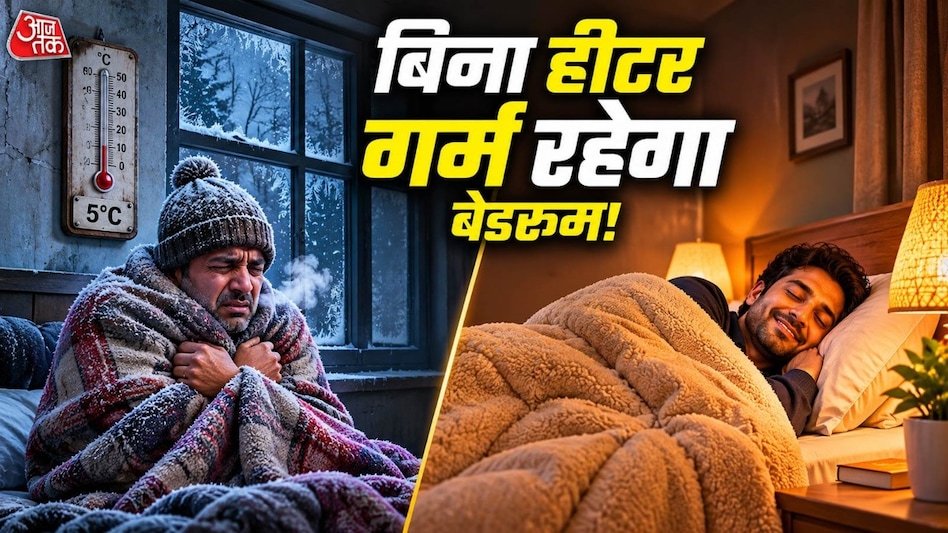
During the winter period, the biggest cold problems occur specifically in the bedroom. Even after covering up with thick blankets and throws, the room can remain too cold; sometimes there isn't enough warmth even in bed. Usually, in such cases, people resort to using heaters or fans. However, prolonged use of these devices is not beneficial for health or budget, as it increases electricity bills and can be dangerous for well-being.

If you want to make your bedroom warm and cozy without extra costs, you need to pay attention to several simple details. The feeling of cold can be reduced by making changes to the furniture arrangement, as well as the decoration of windows and doors, and this does not require purchasing expensive heaters or fans.

How to keep the bedroom warm:

The first tip is to place the bed away from the window. In winter, the most cold is felt near the windows because cold air can penetrate through the glass and its edges. If your bed is right by the window, you may feel intense cold while sleeping. Therefore, it is recommended to move the bed away from the window and place it closer to the wall of the room to avoid direct contact with cold air and ensure greater comfort during sleep.

The second important point is to close the curtains when evening arrives. Curtains play a significant role in maintaining warmth in the room. During the day, when sunlight enters the room, the curtains should be kept open so that heat and light can penetrate inside. But as soon as evening comes, the curtains must be closed, preferably using thick, velvet, or thermal insulation options that will help minimize heat loss through the windows.

The third way is to lay a thick rug or runner on the floor. If the floor in your bedroom is made of marble or tile, you feel intense cold when walking on it in winter. In this case, laying a thick carpet, rug, or runner is a good solution, as it will prevent direct contact of feet with the cold surface. Furthermore, the carpet will help make the room warmer and cozier; old but thick runners can be used around the bed.

The fourth point concerns radiators: do not place heavy furniture, sofas, or other objects next to them. People often place curtains or furniture in front of the radiator, which prevents hot air from distributing evenly throughout the room. It is necessary to leave enough free space around the radiator to ensure effective heat distribution.

The fifth tip is to place a thick towel under the door. Although the door is closed, cold air can seep through the gap at the bottom. To avoid this, take an old, thick towel, roll it up, and place it under the door. This will help reduce the influx of cold air. It is also worth checking the edges of windows and doors for drafts and installing sealing strips if necessary.

The sixth recommendation is to close doors to unused rooms. If there are rooms in the house that are not used, their doors should be kept closed. This will reduce the overall air mixing between different areas. Furthermore, it is important to ensure that the windows and doors in the room where you spend the most time are tightly closed, which helps retain heat.

Other points must also be considered: to keep the bedroom warm, you should maximize the use of daylight, and at night, you must close the window curtains. You should block cold air entering through windows and doors, and also use thick carpets and runners. Nevertheless, if there is very severe cold, you cannot rely only on these methods; heating must be used as necessary to protect the elderly, small children, and the sick.

How to prevent ants from appearing in the house in winter: expert tips
Read more
www.aajtak.in

How to prevent ants from appearing in the house in winter: expert tips

Although the appearance of ants in the house is a common occurrence during warm and rainy weather, many notice that they start reappearing when the weather gets cold. Ants can gather in long lines on kitchen surfaces, as well as in the corners of floors and walls. Often, people try to get rid of them using insect sprays, but they return after a few days.

As it gets colder, ants begin to look for a warm and safe place. Your home becomes an ideal shelter for them because food, water, and a comfortable place to protect against the cold are easily accessible there. If many ants accumulate in your house during winter, the cause might be your mistakes. However, you do not need to buy expensive sprays to get rid of them; it is enough to follow several simple rules to prevent ants from entering the dwelling.

According to experts, when the temperature drops, ants look for safe places to survive the winter. They can penetrate underground, into logs, or into hidden parts of the house walls. Like humans, ants need food, water, and a safe place to live, and all these three elements are easily found inside the house. This is why they become more noticeable when the weather gets colder.

It is important to understand that ants do not completely disappear in winter. Although their activity may decrease on cold days, as soon as the weather warms up a little, they become active again.

  1. Seal small holes in doors and windows: Ants can penetrate even through very small cracks and crevices. Therefore, it is necessary to check all unfilled areas around doors, windows, and walls. Cracks where ants have been spotted should be sealed with sealant or caulking.
  2. Inspect pots and wood before bringing them indoors: Sometimes ants enter the house along with plants, wood, or other items left outside. Therefore, before bringing any pot or tree indoors, it must be thoroughly inspected. Special attention should be paid to plants brought in from outside during the winter period.
  3. Keep tree branches away from the house: If tree or shrub branches growing near the house touch the walls or roof, they should be trimmed and moved away. Such branches can become an easy path for ants and other insects to enter the house.
  4. Do not allow dry leaves to accumulate near the house walls: The presence of dry leaves, wooden debris, and moist soil around the exterior walls of the house creates shelters for ants and insects. Therefore, regular cleaning is necessary, and you should ensure that wet leaves do not accumulate at the base of the house.
  5. Keep decorative items away from the house: During the winter and holiday seasons, people often place pumpkins, dry grass, corn cobs, and other decorative elements outside the house. However, ants and other pests can hide under these items. Therefore, decorative items should be placed slightly away from doors and walls.
  6. Do not leave food crumbs in the kitchen: If small pieces of sponge cake, bread, or other food remain on the kitchen counter or floor, ants are quickly attracted to them. Therefore, the kitchen must be thoroughly cleaned after cooking and eating. Food products should be stored in airtight containers instead of being left open.
  7. Avoid frequent spraying of insecticides: When ants appear, most people immediately use sprays. This may kill visible ants, but the entire colony may hide somewhere else. For some species, spraying can lead to their colony splitting into different parts, which will worsen the problem.
  8. Use liquid or gel baits if necessary: If ants constantly appear in the house, special liquid or gel baits can be used. Ants carry this bait into their nest, allowing the entire colony to be affected. However, several days may be required for the effect to manifest.

Popular