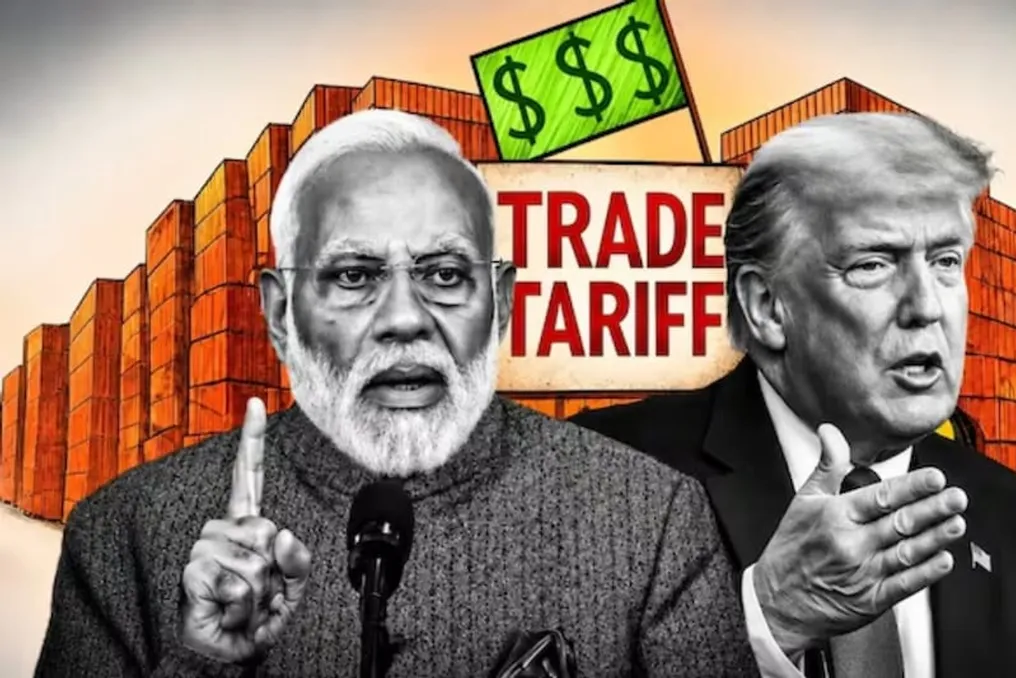
The US proposed imposing tariffs on several countries, including India, setting a 25% tariff on Indian goods and a 40% tariff on Chinese goods. The American side also stated that if a trade agreement is concluded with India, the tariff will be reduced to 17%, but in the absence of such a deal, it will remain at 25%.
Meanwhile, the Confederation of Indian Industry (CII) has appealed to Prime Minister Narendra Modi to consider introducing retaliatory tariffs of 25% on goods imported from the US if Washington increases duties on Indian products.
CII warned that such measures could negatively affect exports worth $48 billion and jeopardize around five hundred thousand jobs.
CII Chairman, Brijnesh Goel, stated that the trade organization would send a letter to the Prime Minister on November 26, demanding countermeasures against the US proposal for tariffs. This initiative has caused dissatisfaction among traders in Delhi and other regions of the country.
Goel also reported in a video message that they urge Prime Minister Modi to impose a retaliatory tariff of 25% on the US. Under the proposed US tariff structure, the US plans to impose a duty of up to 25% on Indian goods; however, if India concludes a trade agreement based on the results of production capacity checks, this percentage may decrease to 17%. Some categories of goods are exempt from these duties.
Goel noted that potentially affected sectors include textiles, pharmaceuticals, medical supplies, electronics, seafood, gemstones and jewelry, leather, metals, and auto components. Higher tariffs could make Indian products more expensive for American buyers, forcing them to redirect orders to countries with more competitive prices.
He expressed concern that this could impact India's $48 billion in imports and create a crisis for approximately half a million jobs. Furthermore, he raised the issue of what will happen to shipments already sent and orders placed by Indian exporters if the proposed tariffs are implemented.
Goel argued that reciprocal tariffs would also put pressure on American traders and businessmen. The US exports food, beverages, minerals, and pulses to India. He emphasized that if India imposes a 25% tariff on US goods, US products will inevitably become more expensive in India, which, in turn, will compel local traders to pressure the US government.
CII called on Washington to withdraw the proposed measures and warned that if their products lose competitiveness, Indian exporters risk losing market share and orders. A US trade representative requested public comments on the proposed measures by January 5, 2027, with hearings starting on January 25.