Scientists discover five new frog species in Arunachal Pradesh, one of which eats snails
Read more
The Better India
thebetterindia.com

Scientists discover five new frog species in Arunachal Pradesh, one of which eats snails

In the forests of the Eastern Himalayas, especially after dark, hidden inhabitants of nature lurk, often remaining unnoticed. A recent scientific study has brought to light five such hidden species inhabiting the region.

Researchers from Delhi University and Harvard University were able to identify five previously unknown species of horned frogs in the state of Arunachal Pradesh. This work is the result of five years of fieldwork in the Eastern Himalayas. Among the discoveries was an important observation: one of these species feeds on terrestrial snails, making it the first documented snail-eating frog in India.

Meet the Five Newly Discovered Frogs

All five species belong to the genus Jingophrys, known as miniature horned frogs. These amphibians, small to medium-sized, are distinguished by characteristic horn-like protrusions of skin around their eyes.

The new species include:

  • Tanii horned frog (Jingophrys taniitatii)

    : Named after the Tanii tribe of Arunachal Pradesh, and also includes the word 'tatii', which means frogs and toads in the Apatani language.
  • Snail-eating horned frog (Jingophrys tanogogo)

    : Named after the Apatani word for snails, and this species is distinguished by its unusual diet.
  • Siang horned frog (Jingophrys siangensis)

    : Named after the Siang region in Arunachal Pradesh where it was found.
  • Hrdy's horned frog (Jingophrys hrdy)

    : Named in recognition of a long-time supporter of herpetological research and conservation biology at Harvard University.
  • Wu-Larson's horned frog (Jingophrys wularsoni)

    : Also named after supporters of research and conservation at Harvard.

The names of three species reflect the local community, language, and geography of the region, while the other two pay tribute to individuals who supported the scientific investigations.

The Frog That Eats Snails Whole!

Among the five discoveries, the species Jingophrys tanogogo stands out due to its unusual feeding behavior. When studying this species, researchers used advanced three-dimensional micro-CT visualization to analyze its internal anatomy. They discovered whole shells of terrestrial snails inside the frog's stomach.

This finding confirms that Jingophrys tanogogo is the first known snail-eating frog recorded in India, and the first documented case of such behavior in the family Megophryidae. This significant discovery expands scientists' knowledge about the dietary habits of this group of amphibians.

Five Years of Research in Difficult Conditions

Identifying these frogs proved to be a challenging task. The research team included Sonali Garg, S. D. Bijju, Tage Tajo, Radhakrishna Upadhyaya K, and James Hanken, who conducted extensive research across the Eastern Himalayas. Researchers faced temperatures as low as minus four degrees Celsius while traversing the mountainous terrain. Since these frogs are nocturnal, most of the fieldwork required searching for them at night, often without the possibility of overnight stays.

Local tribal communities also played a vital role, sharing their knowledge of the region and supporting the researchers during expeditions. In addition to identifying new species, the team used DNA analysis to understand their evolutionary history. Their findings suggest that the diversification of these frogs coincided with the uplift of the Himalayan mountain ranges and the intensification of the Asian monsoon millions of years ago.

Why Are These Discoveries Important?

The results draw attention to the Eastern Himalayas as an important center of biodiversity and evolution. Thanks to this research, the number of Jingophrys species recorded in India has increased sevenfold, and the globally known diversity of the genus has more than doubled.

Nevertheless, much remains unknown. Some of these frogs are extremely elusive and appear in remote forests only during short breeding seasons. Further investigation will be required to fully understand their ecology, behavior, and conservation needs. For now, these five discoveries serve as a reminder of how much life remains undocumented in the forests of India.
Similar stories

Large crocodile spotted on road in Wagodia (Gujarat); video goes viral
Read more
www.aajtak.in

Large crocodile spotted on road in Wagodia (Gujarat); video goes viral

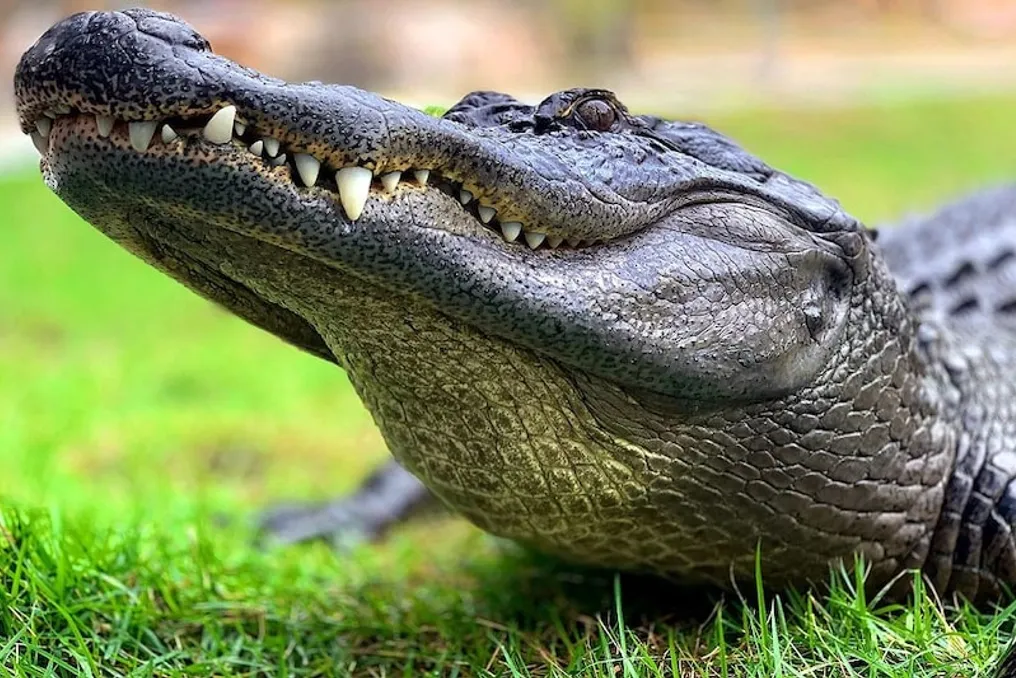
An event that shocked local residents occurred in Wagodia, a district of the Waghodia area in Gujarat state. Early in the morning, a huge crocodile was spotted walking fearlessly on the main street. This situation caused panic among passersby, and one of the witnesses recorded a video of the incident, which is now being widely discussed.

The incident took place near the Dolapura bus stand in Wagodia. According to information, around 5:40 AM on Monday, a motorcyclist was heading to work. At that moment, he noticed a giant crocodile roaming the street. Even in the quiet morning atmosphere, the appearance of the crocodile on the road surprised the motorcyclist.

Despite its impressive size and massive build, the crocodile continued to move along the road without any visible signs of fear. The motorcyclist gathered the courage and captured this unusual and frightening scene on his mobile phone. The video shows the crocodile calmly moving along the street.

When a car passed by, the crocodile became alert from the headlights. After that, it started sliding towards the ditch along the road and soon disappeared into the darkness, heading towards the fields.

The rivers Deva and Vishwamitri flow through the Wagodia area, where a large number of crocodiles inhabit. The Deva River also flows near the Dolapura bus stand. Because of this, the emergence of crocodiles from the rivers into residential areas and onto the streets causes concern among the local population.

Such sights begin to frighten people who go out to work or carry out other activities early in the morning and late in the evening. On one hand, the presence of a crocodile on the road sparks curiosity, but on the other hand, there is growing concern for the safety of pedestrians and drivers. The video of this morning incident has become a topic of discussion in the region.

Presumed Giant Elephant Fossil Jaw Found in Nirmada Ghati (Madhya Pradesh); Dinosaur Eggs Discovered Nearby
Read more
www.aajtak.in

Presumed Giant Elephant Fossil Jaw Found in Nirmada Ghati (Madhya Pradesh); Dinosaur Eggs Discovered Nearby

Nirmada Valley, located in the state of Madhya Pradesh, has once again drawn attention due to its millennia-old past. Previously, fossilized eggs of flying dinosaurs were found here, and now a massive structure has been excavated from the ground, sparking scientific interest.

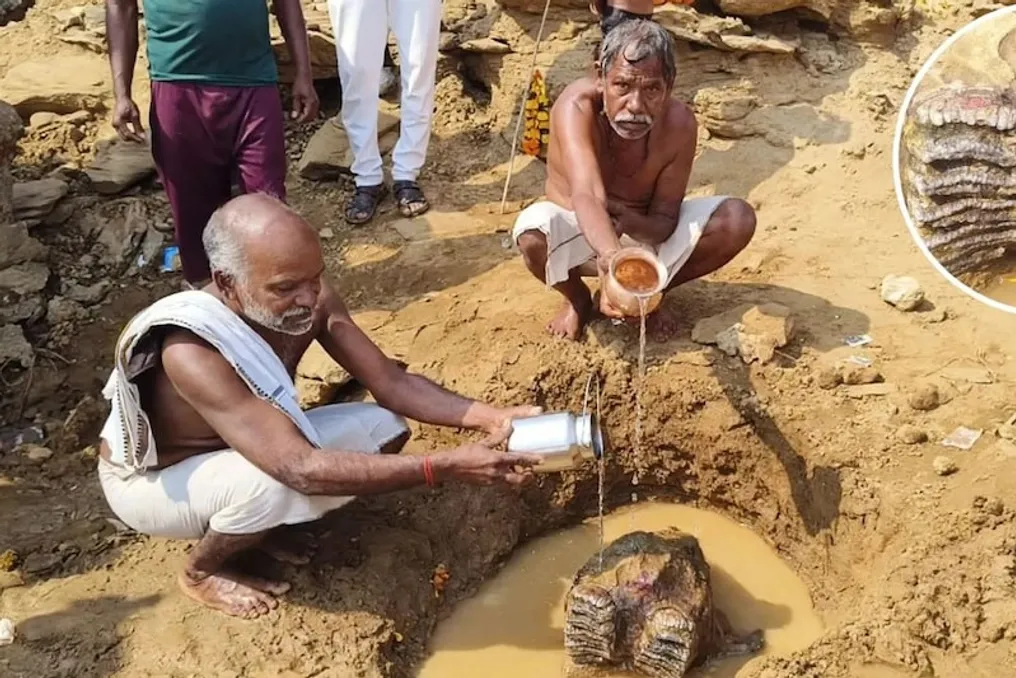
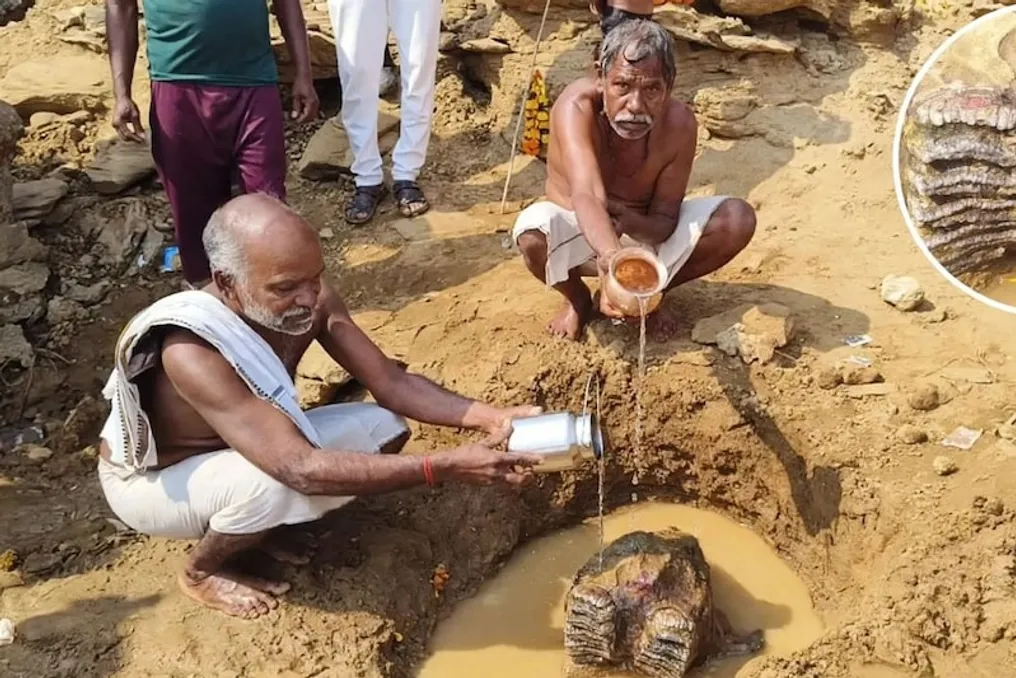
In the village of Patai, which belongs to the Devari tehsil of Raisen district, children discovered a strange shape stuck in the mud while playing on the banks of the Nirmada River. This structure, resembling a stone, had numerous tooth-like elements. Local residents initially mistook it for a deity's statue and began worshipping it; however, after photographs reached experts, it was identified as a probable fossilized jawbone of a prehistoric elephant. This find has once again raised questions about the archaeological and scientific significance of the region.

This incident occurred in the village of Patai, in the Devari area of Raisen district. Two days ago, several children were playing on the banks of the Nirmada River. During excavations in the mud, they noticed a shape that was completely different from an ordinary stone. Its form resembled the jaw of a large animal, and numerous structures resembling teeth were visible within it. Most of this figure remained underground. When local residents saw it, they considered it unusual and began conducting rituals of worship.

However, after photos and videos appeared, zoologists took notice. Senior scientist and archaeologist Dr. Ravi Upadhyay, based on the pictures, hypothesized that it was the fossilized upper jaw and molar of a prehistoric elephant.

According to Dr. Ravi Upadhyay, the structure found in Patai village could be the skull and jaw of a giant elephant that lived during the Ice Age. He linked it to colossal elephants, suggesting that such giants could reach a height of about four to five meters and weigh up to 22 tons. The expert believes that this fossil evidence could date back to a period spanning millions of years, with a preliminary estimate ranging from 500 thousand to 24 thousand years ago. There was also mention of the possibility of an Ice Age fossil dating from 11 to 25 thousand years ago. Nevertheless, the exact age and species can only be determined after scientific testing and detailed study. The Nirmada Valley region is traditionally considered important for the study of ancient animals, and scientists believe that remains of other ancient creatures may be present around this site.

The discovery of this structure in Patai reminded people of another find made five years ago. In the same Nirmada region, fossilized eggs of flying dinosaurs were found. It was reported that these samples were taken by scientists and examined in a laboratory. Dr. Upadhyay noted that prehistoric remains have also been found in this area previously, but work on further study and preservation of these finds was not properly conducted. He insisted on the necessity of conducting a systematic scientific survey of the entire Nirmada Valley region, as this could lead to many important discoveries. Furthermore, ancient statues were also discovered during excavations in the neighboring village of Richawar and were preserved. Local residents also regularly report finding large bones and other old objects.

Local residents of Patai and the surrounding areas of Nirmada Valley hold many legends. According to elders, this region is associated with the era of the Mahabharata and various historical events. Some local beliefs include stories of elephant sacrifices during festivals. However, these beliefs and tales lack confirmed historical basis. Scientists also emphasize the need for solid evidence and research before accepting such stories as facts. Nevertheless, the constant discovery of ancient remains on the banks of the Nirmada invariably raises new questions about the historical and geological significance of this area.

Following the report of the fossil discovery, the local administration also reacted promptly. Collector Raisen, Rohit Sisonia, stated over the phone that the location of the remains is being guarded, and contact is being maintained with scientists. The Collector dispatched the Deputy Governor of Devari to the site at night and ensured the presence of a guard to prevent damage to this jaw-like structure. Photographs and videos were sent to the scientists. Experts called it a significant find and stressed the need for further investigation. The Collector also personally visited the site.

Fossilized elephant jaw fragment found in Raisen, linked by scientists to the Ice Age
Read more
www.aajtak.in

Fossilized elephant jaw fragment found in Raisen, linked by scientists to the Ice Age

In the village of Patai, located in the Davari area of Raisen district, Madhya Pradesh state, near the Narmada River, children discovered a strange shape resembling a large-toothed jaw. When local residents began clearing the ground, they saw this fragment. Some villagers initially mistook the find for a deity and began conducting worship rituals.

However, after photographs and videos of the object were sent to scientists, it turned out that the story was different. Initial assessment by specialists indicates that it could be the fossilized jaw of a giant elephant that lived in prehistoric times.

A few days ago, a group of children playing by the banks of the Narmada started digging the ground and discovered something unusual. After they removed the soil, a large structure with teeth appeared before them. The children reported this to the village, and soon a crowd of local residents gathered, trying to understand the nature of the find.

Due to its unusual appearance, some residents considered the object an image of a god and began worshipping it. Among the older generation of the village, there were old legends linking this place to events of the Mahabharata era, as well as beliefs about elephant sacrifices during ancient yags. Nevertheless, no historical or scientific evidence was presented to support these beliefs.

Photographs and videos of the discovered object were sent to biologist and archaeology specialist Dr. Ravi Upadhyay. He preliminarily concluded that it is the fossilized upper jaw and molar teeth of a prehistoric elephant. According to Dr. Upadhyay, it could be the jaw of a giant elephant that inhabited Earth during the Ice Age.

He specified that elephants of that era could reach a height of 4–5 meters and weigh about 22 tons. Although the exact origin and age of this fossil material have not yet been established, initial assumptions date it to the period between 11 and 25 thousand years, while another estimate suggests an age of 24 thousand to half a million years. Thus, it remains unclear how ancient this fossil is and which specific elephant population it belongs to.

Dr. Upadhyay also noted that this is not the first instance of finding traces of ancient creatures in the Narmada valley. About five years ago, eggs and associated fossils of flying dinosaurs were found in this region. These samples were sent to the laboratory for study. Furthermore, in the village of Richawar, near the Narmada, ancient statues were discovered during excavations and preserved.

Local residents report that large bones and other artifacts from the past have been found along the river multiple times. Dr. Upadhyay believes that a thorough examination of this section of the Narmada valley may reveal other animal fossils, which will require research by a team of scientists.

After the information about the find reached the district administration, Raisen Collector Rohit Sisonia took the situation very seriously. He reported that the location where the object was found is under protection, and contact has been established with scientists for further analysis. Photographs and videos were provided to them for necessary checks.

The Collector ordered that Tehsildar Jaypal Uike be sent to Davari that same night, and a guard was appointed to prevent any damage to the object. The administration aims to preserve this site until the scientific examination is complete. Meanwhile, the residents of Patai village continue to visit the place where the children found this unusual shape, which they previously perceived as a deity.

Popular