South African Tortoises: Ancient Species Facing Environmental Change Threats
Read more
Getaway
getaway.co.za

South African Tortoises: Ancient Species Facing Environmental Change Threats

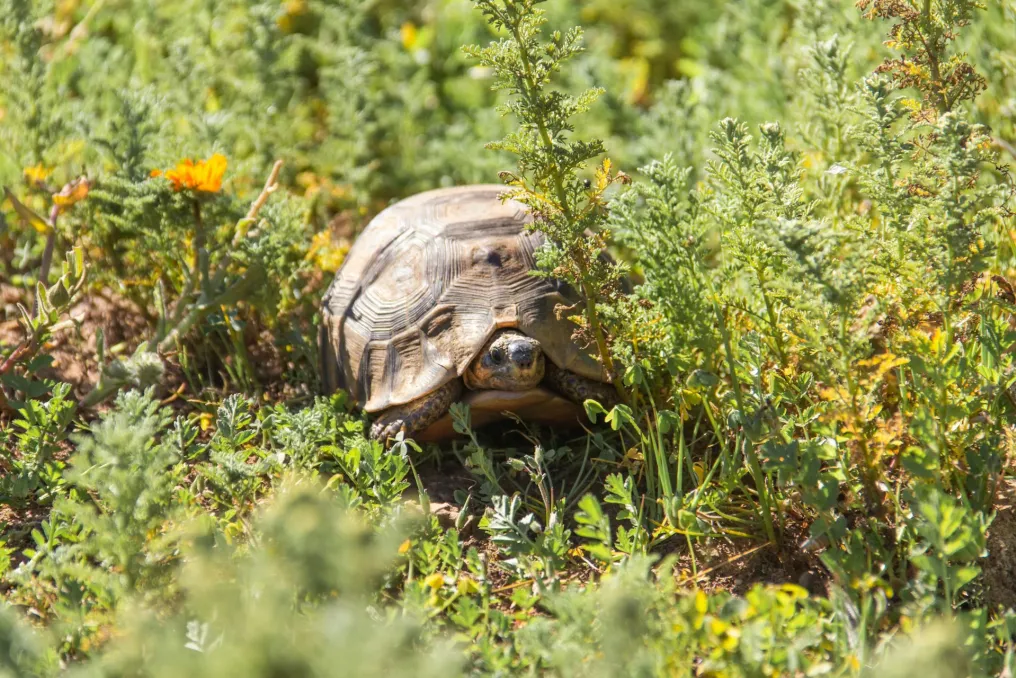
South Africa is home to an exceptional diversity of tortoises, including the familiar leopard tortoise roaming grassy areas, and tiny, elusive species that spend most of their lives hidden among rocks and vegetation.

Some of these reptiles have managed to adapt to the harsh conditions of the Karoo, while others thrive in the Fynbos landscapes and coastal regions of the Western Cape. Despite their remarkable ability to survive in challenging environments, these ancient reptiles face growing pressure from habitat destruction, changing weather patterns, and human activity.

South Africa possesses the world's richest diversity of tortoises, boasting 13 recognized species in the South African region. Their habitats range from the arid landscapes of the Nama-Karoo and succulent-rich deserts to coastal fynbos, grasslands, and subtropical vegetation.

Each species has developed specific adaptations for survival in its environment. For instance, the angular tortoise is found in many parts of the Western and Eastern Cape, inhabiting both coastal vegetation and semi-arid Karoo. Its protective shell serves as defense against predators, and its relatively impermeable skin helps minimize water loss during dry periods.

Tortoises are also ectotherms, meaning they rely on external heat sources to regulate body temperature. Instead of remaining active during the hottest hours of the day, many seek shelter under vegetation, rocks, or in burrows. Their activity patterns change depending on temperature, rainfall, and food availability.

The leopard tortoise is another example of adaptability. The largest tortoise species in South Africa feeds on grasses, succulents, and other vegetation, adjusting its diet according to seasonal availability. Furthermore, it plays an important ecological role as a seed disperser, helping plants regenerate when seeds pass through its digestive system.

However, surviving in difficult conditions does not make these reptiles immune to environmental changes. Prolonged droughts, rising temperatures, and increasingly unpredictable rainfall can affect food availability, reproduction, and the condition of their habitats.

One of the most serious threats facing South African tortoises is habitat loss. Agricultural expansion, urban development, and infrastructure projects continue to transform natural landscapes, leaving some species with increasingly isolated populations.

Similar stories

Rietvlei Nature Reserve Offers Opportunity to See Wildlife Near Pretoria
Read more
getaway.co.za

Rietvlei Nature Reserve Offers Opportunity to See Wildlife Near Pretoria

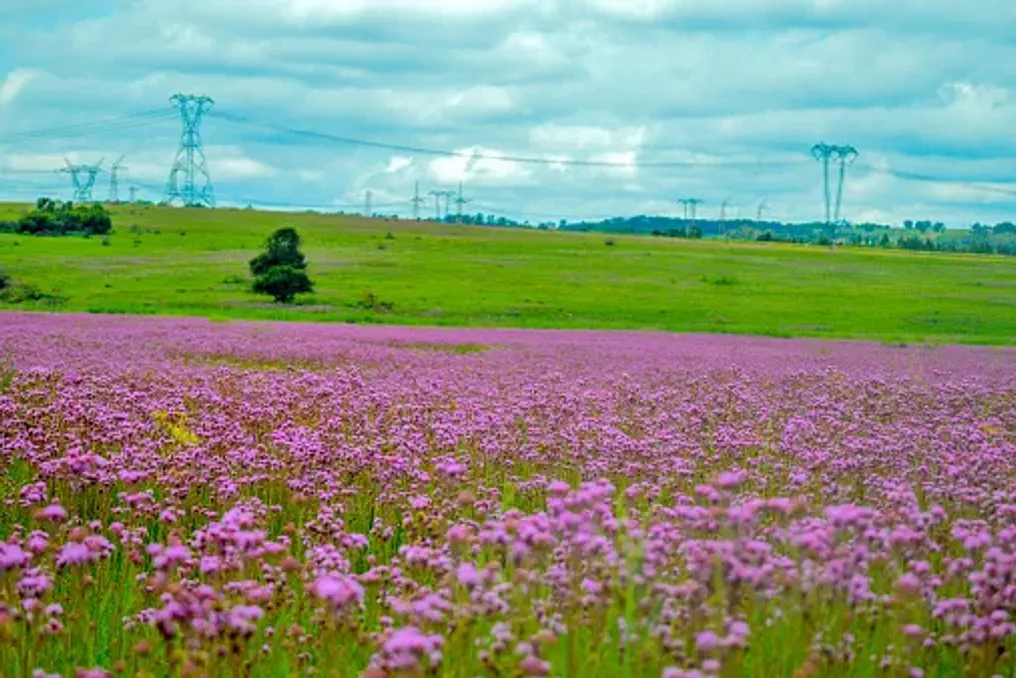
Not far from the busy streets and expanding suburbs of Pretoria lies a landscape composed of open grasslands, wetlands, and wildlife, serving as an unexpected refuge from urban hustle. In Rietvlei Reserve, the urban environment gives way to wide skies, quiet water, and the opportunity to observe animals during a leisurely drive through the area.

Spanning approximately 4,000 hectares, Rietvlei is one of Tshwane's important conservation areas, protecting endangered plant species, water systems, as well as a vast diversity of wild animals and birds. The reserve was established in 1929 and serves as a reminder that wildlife does not always require a long journey into the countryside; sometimes it is right on the edge of city limits.

Whether you are visiting for a morning wildlife drive, a birdwatching tour, a picnic by the dam, or an organized nature event, Rietvlei offers a chance to slow down and experience the natural landscapes that remain part of Pretoria's urban setting.

History and Ecological Significance

Rietvlei Reserve has an unusual history connected to the region's water supply. It was originally part of the water supply scheme intended to provide drinking water to Tshwane, and its landscape continues to play a vital role in protecting natural habitats and water systems.

Today, the reserve covers approximately 4,000 hectares of grassland and wetland ecosystems. Its location within a rapidly developing urban environment makes its conservation function particularly significant, as this area protects an ecosystem that the City of Tshwane describes as being in critical condition.

The reserve safeguards rare flora, fauna, and avifauna, while its wetlands and open grasslands form a diverse natural landscape available for visitors to explore. Its proximity to Pretoria also makes conservation efforts tangible for people who would otherwise have to travel much further to see wildlife and natural habitats.

Wildlife Viewing Opportunities

One of Rietvlei's main advantages is the ability to encounter wild animals without traveling far from the city. The reserve's grasslands, wetlands, and open spaces support various large mammals, making self-guided animal observation an attractive way to spend several hours outdoors.

Visitors may encounter eland, buffalo, white rhinos, red hartebeest, Barchid zebra, black hartebeest, gemsbok, hippos, rhinoceroses, and jackals. The reserve also supports several nocturnal species, including aardvark, serval, civet, aardwolf, brown hyena, and hedgehog.

With about 30 km of roads for self-driving, Rietvlei allows guests to explore the area at their own pace. This experience is more focused on observing the unfolding landscape, scanning the grasslands, and following the edges of the wetlands than on rushing between animal sightings.

The reserve's roads allow for safe animal viewing from inside a vehicle. Visitors are advised to drive slowly, show respect for wildlife and other road users, remembering that animals always have the right of way.

An encounter might include a herd of grazing zebras, buffalo crossing an open veld area, or hippos visible near the water. As with any wildlife reserve, encounters are not guaranteed, so patience is part of the experience.

Birdwatching

While large animals attract many visitors, Rietvlei is also a valuable spot for bird enthusiasts. Its wetlands and grasslands create a habitat for an impressive diversity of bird species; around 350 species are recorded in the reserve.

The variety of habitats allows for the observation of birds associated with water, open grasslands, and other natural conditions. From migratory waterfowl around the wetlands to birds foraging on the grasslands, the reserve offers an interesting backdrop for year-round birdwatching.

Rietvlei features six hides accessible along the self-drive routes, allowing visitors to stop and observe birds without disturbing the environment. These hides provide an opportunity to spend time watching the landscape rather than just driving through it. It is recommended to bring binoculars, a bird guide, or a bird identification app and allocate time to observe the quieter details of the reserve.

Visiting Options

Self-drive routes make the reserve accessible to those who wish to explore the area without booking a guided tour. A leisurely drive through the landscape allows for wildlife viewing, photography, and stops at designated spots.

A visit can be short or long, depending on the visitor's time and what they hope to see. Morning visits allow exploration before it gets too hot, while a slower walk might include visiting hides and stopping at the picnic area.

Visitors should stay on marked roads, avoid driving off the veld, and remain inside vehicles while viewing animals unless they are in authorized areas such as hides or special points of interest.

Rietvlei offers more than just wildlife viewing, making it a suitable place to satisfy various interests and ways to spend a day outdoors. The Marey's Dam picnic area provides a place to rest between exploring the reserve. It has barbecue facilities, allowing visitors to plan a relaxing break combining wildlife viewing with outdoor dining.

This area is suitable for those who want to spend the whole day in the reserve, although reserve rules apply, including restrictions on alcohol, loud music, pets, and large groups. Visitors should also check the picnic area operating hours before arriving.

For visitors interested in landscape study, there are guided walking tours offering a different way to explore Rietvlei. These hikes focus on nature and interpretation rather than physical fitness, allowing participants to learn about the reserve's environment. Advance booking is required, and the reserve's daytime walks are currently limited to groups of six to 15 people, with participants needing to be over 12 years old. A roughly four-hour experience offers a deeper immersion into exploring the reserve on foot.

Those seeking a more structured wildlife viewing experience can book guided tours during the day or night. Daytime trips usually last two to three hours, providing an opportunity to learn about the reserve and its animals while exploring with a guide. Night trips, available seasonally from September to May, offer a different perspective on the reserve and its nocturnal fauna. Both options require booking and adhere to minimum and maximum group sizes.

Rietvlei Reserve is managed by the City of Tshwane, and visiting hours vary depending on the season.

Operating Hours

September – March: 05:30 to 19:00. Last entry permitted at 17:00.

April – August: 06:00 to 18:00. Last entry permitted at 16:00.

The reserve has special operating hours on Mondays and Wednesdays from May to August, opening at 11:00 for animal management purposes, provided the day is not a public holiday. Visitors should check the latest information regarding operations before traveling, especially when planning tours or visiting during seasonal changes.

Rietvlei is a protected area, and visitors are expected to respect its wildlife and environment. The speed limit in the reserve is 30 km/h, and animals always have priority. Visitors must remain in their vehicles while viewing animals, except in designated areas, and are prohibited from feeding animals, pulling up plants or animals, littering, swimming, or fishing. Pets, drones, and loud music are also forbidden.

Currently, only bank cards are accepted at the reserve entrance, so visitors should plan their trips accordingly. For updated information on entrance fees, event bookings, and visitor information, please refer to the official Rietvlei Reserve website of the City of Tshwane before visiting.
Lori Marker's mission to save African cheetahs spans nearly 50 years
Read more
getaway.co.za

Lori Marker's mission to save African cheetahs spans nearly 50 years

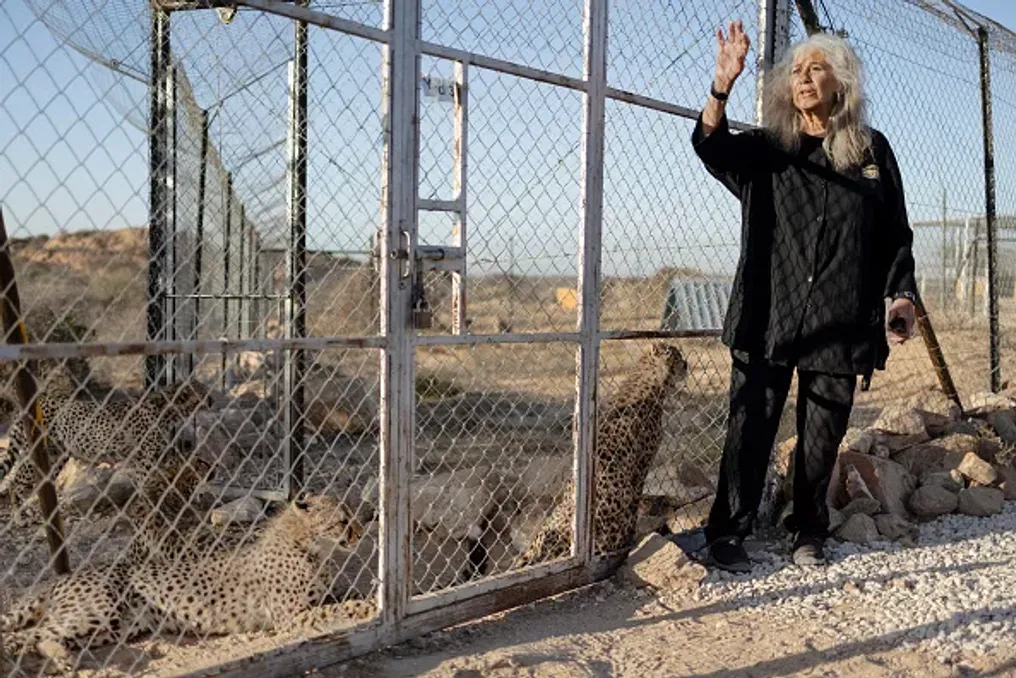
As the International Cheetah Day approaches on December 4th, conservationist Dr. Lori Marker is summarizing her mission, which has lasted for almost five decades. This mission has been dedicated to protecting the world's fastest land animal, from rescuing smuggled cubs to establishing a conservation organization in Namibia.

In 1977, a young American conservationist arrived in Namibia with an unusual companion—a captive-born cheetah named Hayam. What began as a research project aimed at determining whether cheetahs raised in captivity could survive in the wild eventually became the foundation of her lifelong conservation work.

At the time, Dr. Lori Marker was studying the potential for reintroducing captive-born cheetahs into the wild environment. However, her research also highlighted growing threats to the species. Ranchers were killing wild cheetahs in large numbers, considering the predators dangerous to their livestock. This experience fundamentally changed the trajectory of her life.

According to IOL, Marker eventually left her established life in the United States, sold her property, and moved to Namibia in 1990 to establish the Cheetah Conservation Fund (CCF)—an organization designed to ensure the long-term survival of cheetahs.

Nearly five decades after her first journey with Hayam, Marker continues to shape cheetah conservation efforts across various parts of Africa. The Cheetah Conservation Fund was founded with an emphasis on scientific research, education, and practical conservation solutions. Based in Namibia, the organization has become an internationally recognized nature conservation initiative that includes scientific research, veterinary care, and community-focused programs.

The fund's facilities include a genetics laboratory and veterinary infrastructure, supporting efforts to gain a deeper understanding of cheetah biology, health, and the challenges facing wild populations. However, Marker's approach to conservation goes beyond protecting individual animals. A significant part of CCF's work focuses on resolving human-wildlife conflict between predators and farmers, recognizing that conservation efforts cannot succeed without the support and involvement of local communities.

Through educational programs, research, and initiatives such as livestock guardian dogs, the organization works to reduce conflicts between farmers and cheetahs, promoting more viable coexistence. This model reflects a broader philosophy of nature conservation: protecting wildlife often requires addressing the economic and social factors that contribute to its decline.

Rorke's Drift Battlefield Visit in KwaZulu-Natal: Looking Beyond the Famous Film
Read more
getaway.co.za

Rorke's Drift Battlefield Visit in KwaZulu-Natal: Looking Beyond the Famous Film

Few places in South Africa are as closely tied to a single military confrontation as Rorke's Drift. This historical site, located near the Buffalo River in northern KwaZulu-Natal, gained international recognition after the battle that took place here on January 22 and 23, 1879. During the Anglo-Zulu War, a small British garrison station defended a missionary post against Zulu forces.

Although Rorke's Drift is immortalized in the 1964 film 'Zulu,' it has long attracted visitors interested in military history. However, beyond the familiar cinematic scenes of barricades, rifles, and desperate nights of battle, this location offers an opportunity to study the landscape, preserved heritage, and the broader context of one of the most significant conflicts of the 19th century in South Africa.

Today, visitors can walk through the grounds, visit the museum, view memorials, and historic graves to place this battle within the overall history of the Anglo-Zulu War—a conflict shaped by Britain's imperial ambitions and the resistance of the Zulu Kingdom.

The place got its name from the Irish trader James Rorke, who established a trading post and crossing near the Buffalo River. After his death in 1875, the property became associated with the Swedish missionary station called Oscarsberg, named after King Oscar II of Sweden. The hill overlooking the settlement was known to the Zulu as Shiyane.

By January 1879, this area had become strategically important for the British military campaign. Missionary buildings were captured: one house was converted into a hospital, and the chapel was used as a supply depot. The crossing over the Buffalo River also facilitated the movement of British troops and supplies into Zululand.

The British invasion of Zululand began on January 11, 1879, after the expiration of the ultimatum delivered to King Cetshwayo. British imperial authorities sought to expand their influence in the region, and this invasion launched a campaign that had long-term consequences for the Zulu Kingdom. Thus, Rorke's Drift was not merely an isolated military outpost but part of a logistical network supporting the invasion.

On January 22, 1879, the British suffered a crushing defeat at Isandlwana, where the Zulu army overwhelmed British forces. News of this disaster reached Rorke's Drift in the afternoon, prompting the garrison to prepare for an attack.

Defenders under the command of Lieutenants John Chard and Granville Bromhead began fortifying the missionary station using any available materials. Corn sacks, biscuit boxes, carts, and other supplies were arranged to create defensive barriers between buildings and around the complex.

The position was particularly vulnerable because the missionary station was small and housed sick and wounded British soldiers. Retreat was not considered a viable option for the garrison.

Zulu forces, led by Prince Dabulamanzi Mpandle, attacked the missionary station late on January 22. Fighting continued throughout the night, with repeated assaults on the defensive perimeter and fierce battles around the hospital.

The defenders had to evacuate parts of the hospital as fighting intensified, and the building eventually caught fire. They retreated to increasingly compact defensive positions, continuing to resist until the Zulu forces withdrew early on January 23. Seventeen Britons died in the defense, while Zulu losses were significantly higher. Historical estimates vary, but the battle was fierce and resulted in significant casualties among the attacking forces. Eleven Victoria Crosses were awarded to the British defenders, contributing to the battle's lasting significance in British military history.

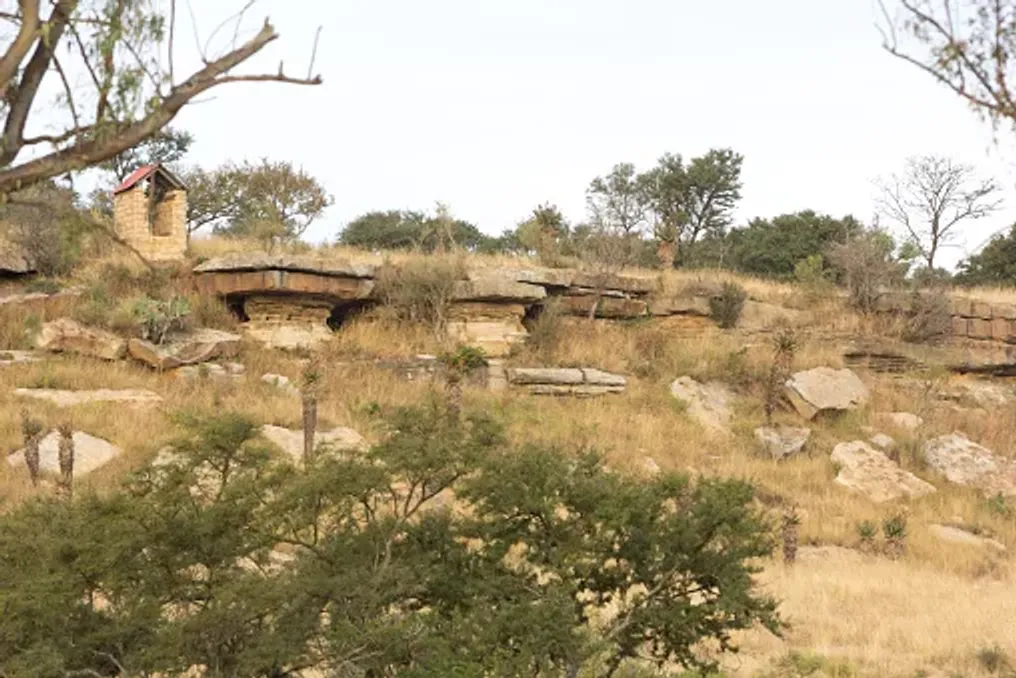
The battlefield is best explored on foot, allowing visitors to traverse the landscape where the defense took place and see how the layout of the missionary station influenced the course of the battle. The Rorke's Drift interpretation center and museum help visitors understand the battle through historical exhibits and the interpretation of the site's heritage. The museum and reconstructed missionary buildings provide context to the events of January 1879, from the British invasion to the defense of the station.

Instead of relying solely on the film's depiction, visitors can use the exhibits to understand the physical layout of the settlement, the defensive structures, and the circumstances under which the battle unfolded. A walk through the site gives insight into the compact nature of the missionary station. Defenders had to guard several buildings and vulnerable areas, including the hospital, the storehouse, and the surrounding complex.

The layout of the battlefield is an important part of its history. It was the buildings, the available supplies, the terrain, and the limited space that determined the defense and the decisions made during the night. Memorials and burial sites are part of the battlefield's heritage landscape. They commemorate the memory of the British soldiers who died in the battle and provide a tangible connection to the people involved in the conflict. There are also memorials on site related to Zulu losses, reminding visitors that the story of the battle extends beyond the celebrated British defense. The Zulu soldiers who fought at Rorke's Drift were defending their kingdom during the British invasion, and their experience deserves to be part of the interpretation and memory of this place.

The 1964 film 'Zulu,' starring Stanley Baker and Michael Caine, introduced Rorke's Drift to a global audience and helped many understand this battle. However, its dramatic portrayal of the British defense is not a complete account of the war or the people involved. The Anglo-Zulu War was a conflict initiated by British expansion into South Africa. The British invasion of the Zulu Kingdom followed political tensions, territorial ambitions, and an ultimatum delivered to King Cetshwayo. The war ultimately led to the defeat and dissolution of the Zulu Kingdom, with consequences extending far beyond the battlefield.

Rorke's Drift is often remembered through the lens of military heroism, but visiting the site allows one to examine the broader conflict: the invasion, Zulu military strategy, the lives of soldiers and civilians affected by the war, and the historical narratives that have shaped the memory of the battle. The fame of the battle is also partly linked to its role in the public perception of Britain following the catastrophic defeat at Isandlwana. The defense became a celebrated story of military resilience, while the wider invasion and its consequences often remained in the shadows of popular accounts.

Rorke's Drift is also connected to significant artistic and cultural heritage that extends far beyond the battlefield. The ELC Arts and Crafts Centre became an influential institution in South African art, especially during the apartheid era. The art school and its associated workshops played a vital role in developing Black artists, providing opportunities for creative self-expression through printmaking, weaving, and other artistic disciplines. The school closed in 1982, but the broader craft heritage of Rorke's Drift continues. The center is associated with characteristic tapestries, woven rugs, ceramics, screen printing, and local handicrafts. Visitors can find beadwork, baskets, wirework, woodwork, and other handmade items. This artistic tradition is particularly interesting as it offers another way of understanding the region's heritage. Rorke's Drift is not just a place of military history, but also a place connected to creativity, cultural expression, and the development of South African art during a difficult period in the country's history.

Visiting Rorke's Drift is especially valuable if combined with a trip to Isandlwana, the battlefield where the British suffered a crushing defeat earlier on January 22, 1879. These two sites are closely linked by the events of that day. Isandlwana became a major Zulu victory, while Rorke's Drift became a celebrated success of British defense. Their contrasting outcomes determined the course of the war and subsequent historical narratives. Visiting both battlefields helps place Rorke's Drift in context, allowing travelers to explore the Anglo-Zulu War beyond one famous clash and gain a deeper understanding of the events, decisions, and people involved. Rorke's Drift is located in northern KwaZulu-Natal, near the Buffalo River, and is part of the historical Anglo-Zulu War Battlefield Route. It can be included in a longer trip covering battlefields, historical sites, and towns around Dundee. While Rorke's Drift may be known for the dramatic events of one night in January 1879, its significance extends far beyond the battle immortalized on screen. From the landscape along the Buffalo River to the museum, memorials, and artistic heritage, this place offers a chance to engage with a complex chapter of South African history.

Popular