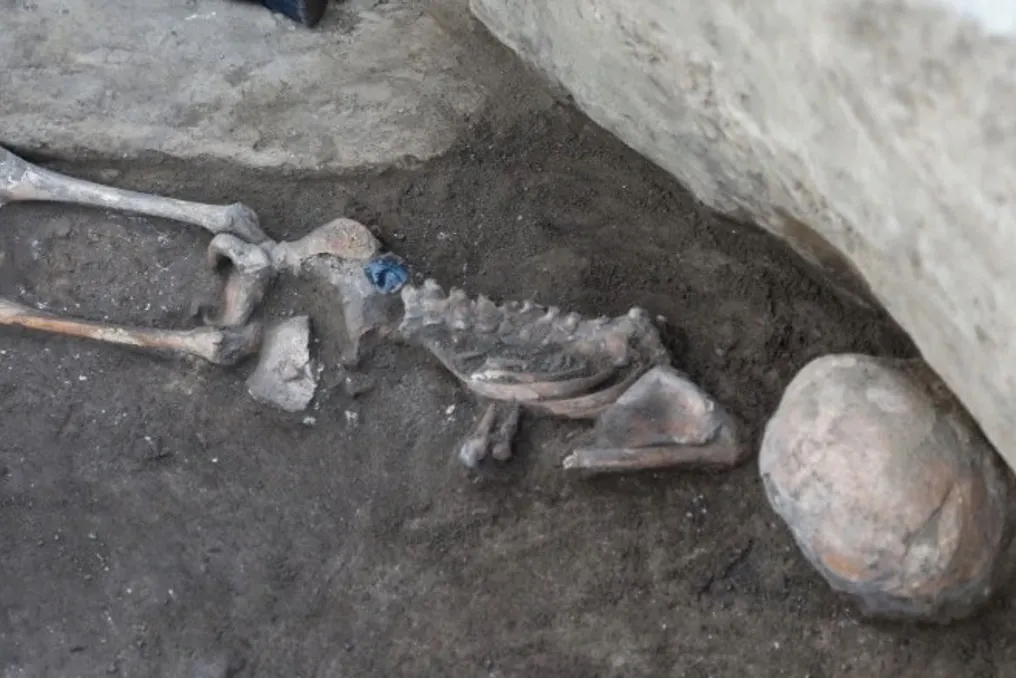
Shulaveri-Shomu culture burial discovered in Georgia, dating back to the Neolithic era
Read more
N+1
nplus1.ru

Shulaveri-Shomu culture burial discovered in Georgia, dating back to the Neolithic era

During archaeological excavations conducted in the Bolnisi municipality of Georgia, specialists discovered an ancient burial belonging to the Shulaveri-Shomu culture. These works are taking place at the ancient settlement of Mashavera-Gora, which is a monument of this Neolithic culture.

A burial object containing the remains of a child was found during the excavations. Scientists note that despite the large number of Neolithic settlements identified in Georgia, reliable burials from this period had not been found previously, unlike the situation in neighboring Azerbaijan, which was within the range of distribution of the same culture. This information was published on the official website of the Bolnisi municipality.

The Shulaveri-Shomu archaeological culture (also known as the Shulaveri-Shomutepian culture) is considered the first complete Neolithic community in the South Caucasus region. According to modern data, this culture emerged approximately 6000 BCE and existed for about two millennia.

Representatives of this culture led a lifestyle that included building small round dwellings made of mud bricks, practicing agriculture with livestock and grain cultivation, and making molded pottery. Furthermore, research over the past decades indicates a high probability that the bearers of Shulaveri-Shomu were among the first winemakers; traces of grape wine dating back about eight thousand years were found on ancient pottery extracted from central Georgia.

In addition, remains related to stone tools were found. However, it should be noted that the text also mentions the results of analysis of plant microfossils by Chinese researchers on artifacts from the Paleolithic site of Wenshuань, published in the journal npj Heritage Science, concerning plant processing 70–40 thousand years ago.
Similar stories

Ancient settlements and Mesolithic stone tools discovered in Navoi region
Read more
podrobno.uz

Ancient settlements and Mesolithic stone tools discovered in Navoi region

Archaeologists conducted excavations in the Navoi region and discovered ancient settlements, cave dwellings, and stone tools. These findings indicate that human presence in this area may have begun about ten thousand years ago, and similar monuments had not been recorded in this region before.

According to information provided by Samarkand State University, the expedition took place in the Khatyrchin district, near the Nuratinsky mountain range. Employees of the university and specialists from the Yahi Gulomov Samarkand Institute of Archaeology participated in the work.

During the search operations, scientists found ancient settlements and caves, and collected a collection of stone tools near mountain springs. Among the found items were knives, scrapers, blades, and small plates made of sandstone and flint, which were used by ancient inhabitants in daily life.

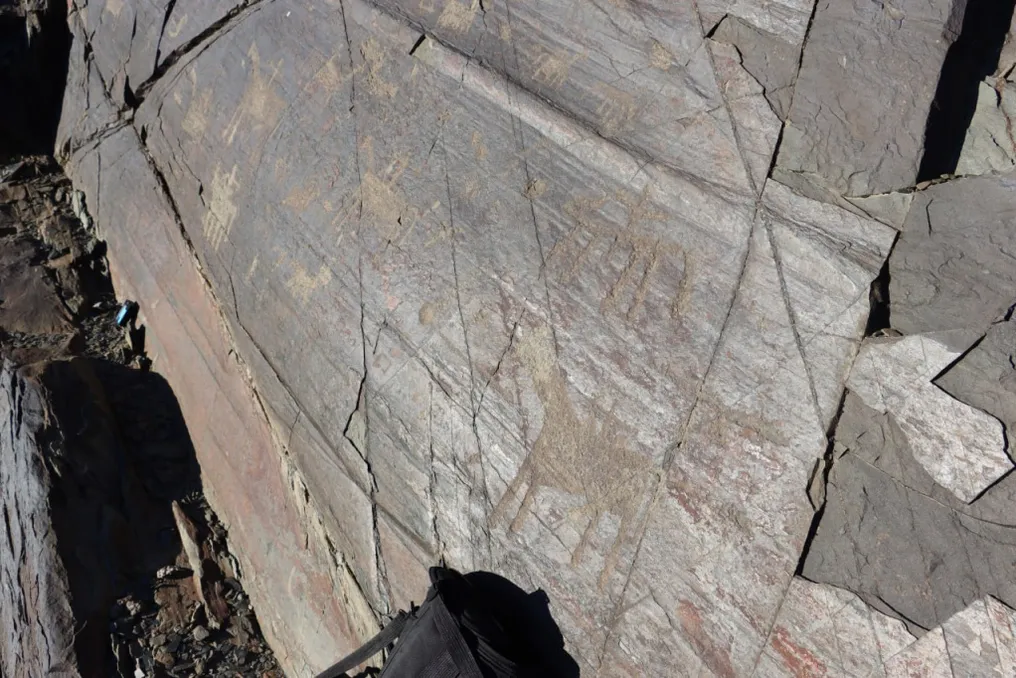
Preliminary examination showed that these artifacts belong to the Mesolithic and Neolithic periods—stages of the Stone Age when the transition from a hunter-gatherer lifestyle to agriculture and animal husbandry occurred. Additionally, near the Chinor village, researchers discovered rock paintings.

The significance of this discovery lies in the fact that Stone Age monuments in the Khatyrchin district have been registered for the first time. Scientists hypothesize that the discovered settlements may be related to ancient stone processing centers located approximately 25–30 kilometers from the discovery site. Further study is planned to more accurately determine the age of these artifacts.

It should be noted that previously, in October, archaeologists found traces of Bronze Age settlements and rock drawings in another part of the Nuratinsky range, in the Koshrabad district of the Samarkand region.

Natufian stone blades from Syria showed signs of use for grain harvesting
Read more
nplus1.ru

Natufian stone blades from Syria showed signs of use for grain harvesting

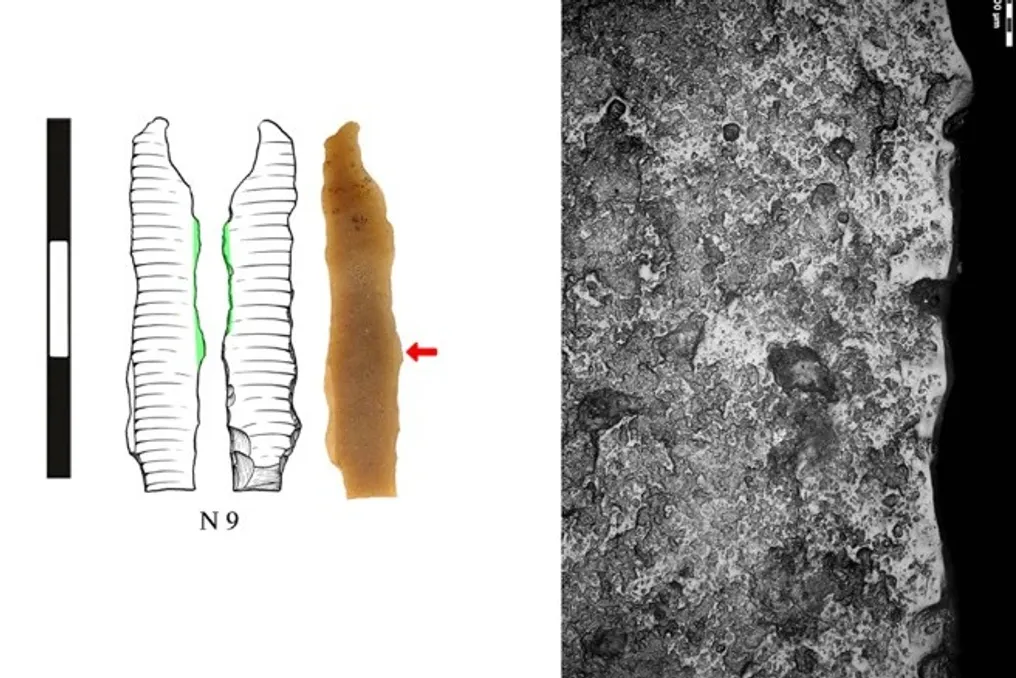
Archaeologists analyzed twelve sickle-shaped stone blades discovered in Syria at the Natufian site of Deffelik. The study indicated that the wear on these artifacts suggests that five of them, presumably around 14 thousand years ago, were primarily used for gathering wild grains.

The remaining tools, according to the analysis results, were used for processing various types of plants. This information was presented in a scientific publication published in the journal PLoS ONE.

Ivan Zakmardi's Burial Discovered in Zagreb Cathedral
Read more
nplus1.ru

Ivan Zakmardi's Burial Discovered in Zagreb Cathedral

Croatian archaeologists conducted excavations in Zagreb Cathedral and discovered a lead coffin. It is assumed that the remains of Ivan Zakmardi, a well-known statesman who died in 1667, were in this coffin.

In addition to the remains of the elderly man, researchers extracted an iron vessel, which apparently contained his heart. Various artifacts were also found, including leather shoes with silver buckles, a medallion, prayer beads, and a gilded cross.

Information about this find was published on the official website of the Archdiocese of Zagreb.

Popular