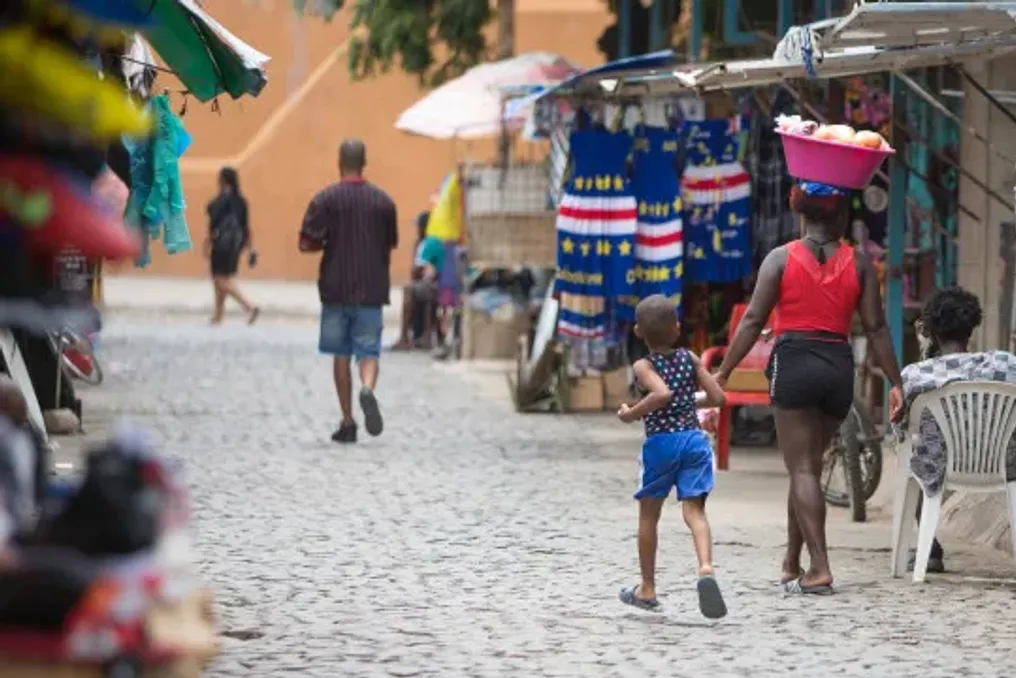
Cabo Verde ranks second among African countries in child protection, according to report
Read more
Noticias ao Minuto
noticiasaominuto.com

Cabo Verde ranks second among African countries in child protection, according to report

Cabo Verde was ranked second out of 52 African nations regarding its performance in safeguarding children, as revealed in a recent report by the African Child Policy Forum (ACPF). Guinea-Bissau was identified as the worst Lusophone country in this assessment.

The African Report on Child Well-being 2026 placed Seychelles in the lead of the 'Child Commitment Index'. Following them were Cabo Verde, Mauritius, South Africa, Tunisia, and Namibia, all recognized for presenting the best results in defending and promoting children's rights.

Among the Portuguese-Speaking African Countries (PALOP), São Tomé and Príncipe achieved 16th place, Angola was 26th, Equatorial Guinea was 28th, Mozambique was 29th, and Guinea-Bissau was 44th.

This index, established in 2008, evaluates how African governments fulfill their responsibilities towards children, considering both the systems for protecting their rights and the provision of vital services.

Cabo Verde advanced from fifth place in 2018 to fourth in 2023, now reaching second place with a score of 0.8051 on a scale of zero to one, just behind Seychelles, which recorded 0.8229. The archipelago obtained a score of 0.8877 in the protection dimension and 0.7303 in service availability, thus joining the group of 12 African nations with the best performance.

The organization highlights in the report that nations such as Cabo Verde, Seychelles, Mauritius, and South Africa have robust legal and political frameworks, as well as institutional mechanisms that facilitate the most effective implementation of child protection measures. According to ACPF, these countries also allocate larger percentages of their national resources to social services and achieve better results in the use of these funds.

São Tomé and Príncipe is the second best-ranked Portuguese-speaking African country, occupying 16th place with a score of 0.5831. Despite falling two places compared to 2023 (when it was 14th), the archipelago showed considerable improvement compared to 2018, when it was in 31st place. This country, characterized by single mothers' family structures, registered an ascent of 15 places in eight years.

Angola, on the other hand, showed the opposite trajectory, moving from 18th place in 2018 to 22nd in 2023 and reaching 26th in 2026. With a score of 0.4973, the country lost eight ranks since 2018 and presented inferior results in the area of providing child services compared to the protection of its rights.

Mozambique occupies 29th place, with a rating of 0.4909, having dropped four places since 2023, but remaining seven places above where it was in 2018. Equatorial Guinea is just ahead of Mozambique, in 28th place, after rising 13 ranks compared to 2023, when it was in 41st place.

Guinea-Bissau presents the lowest ranking among the six African countries members of the Community of Portuguese Language Countries, situated at 44th place, with an overall score of 0.3998. The country declined five places compared to 2023 and two compared to 2018, registering a rating of 0.2583 in essential service availability, a value significantly lower than the score of 0.6189 obtained in the protection component.

The organization also examined disparities in African family structures, identifying the extended family as crucial in West African nations, including Guinea-Bissau. Data indicates that approximately 42% of Guinean households contain individuals from different generations, a structure that, according to the document, aids in dividing responsibilities and resources for children's education and protection.

In contrast, although among the best-ranked, in Cabo Verde, there are 204 children in care institutions per 100 thousand, a number considerably higher than the African average of 68 and the global average of 96.

ACPF called generally on African governments to intensify funding for health, education, and social assistance services, as well as support programs for the most vulnerable families. According to ACPF, only 19.1% of the African population receives any social protection benefit, in a scenario where poverty, rising prices, and conflicts threaten the family's ability to provide basic care for children.

Similar stories

11 Bangladeshi suspects detained in Aligarh for residing in India with fake documents
Read more
www.aajtak.in

11 Bangladeshi suspects detained in Aligarh for residing in India with fake documents

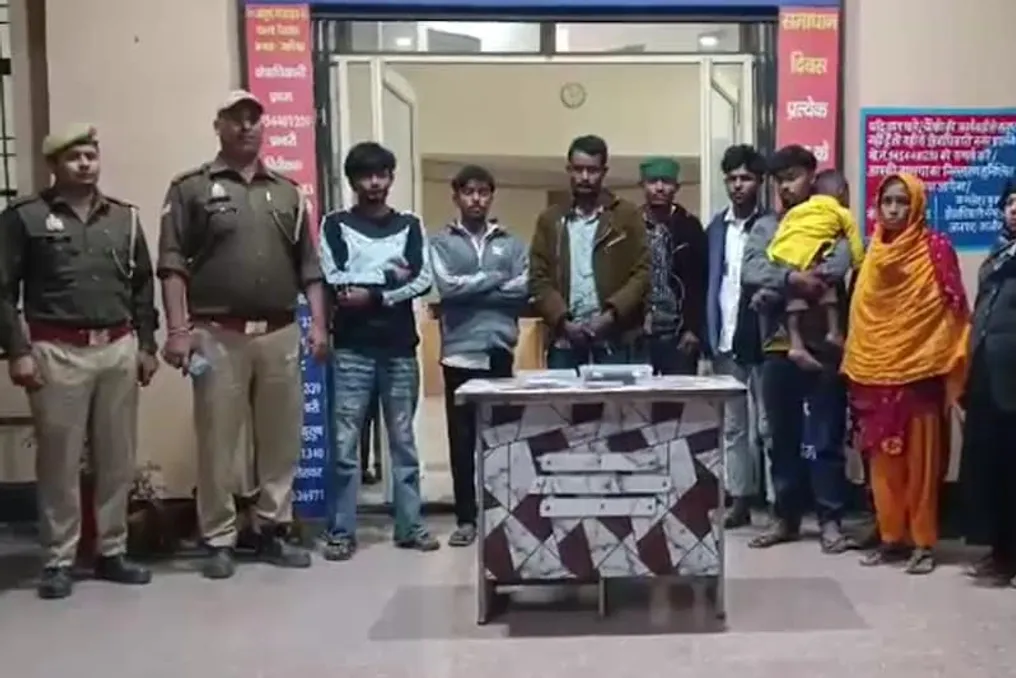
A case has been uncovered in Aligarh regarding Bangladeshi citizens who have long resided in India, working in the meat processing industry and related factories. The police, acting on information from LIU, detained 11 individuals. Notably, the detainees possessed documents such as Aadhaar Card, PAN Card, and Voter ID Card.

During interrogation, the detained Amina Begum stated that she entered India with her family in 1992 without a passport or visa. Two Aadhaar Cards were found in her name for her daughter Sitara, both of which listed different dates of birth.

After receiving data from LIU, the police station of Rohawar conducted a raid near the railway bridge on Gonda Road. Amina Begum, her family, and relatives were detained there. A total of 11 people were arrested, including eight adults and three minors.

The investigation revealed that these individuals allegedly used various names and addresses to obtain numerous government documents, including Aadhaar Card, PAN Card, and Voter ID. Interrogations also revealed that one of the individuals had repeatedly entered and exited India since 1999.

The police also received information about a family dispute: approximately eight months ago, an incident was recorded where a person left home after a fight with his wife. The police are investigating all these aspects.

Five mobile phones, 10 Aadhaar Cards, and two PAN Cards were seized from the suspects, among other documents. A total of 13 people are involved in the case, of whom 11 were arrested. Eight adult accused have been sent to jail. The police are now investigating how their government documents were fabricated and who assisted at the local level. The search for absconders continues.

Indian student at Oxford spoke about instances of discrimination and unpleasant comments
Read more
www.aajtak.in

Indian student at Oxford spoke about instances of discrimination and unpleasant comments

An Indian student studying at Oxford University shared an incident that caused her significant discomfort and concern. According to the student, while shopping in a store, a woman repeatedly stood near her. Soon, this woman approached closer and said, 'I didn't mean to do this, but I have to say... you smell very, very bad.'

The student posted a video of this experience on Instagram on November 21st. She expressed bewilderment as to why the woman kept getting close to her. At that moment, she decided not to respond. Then, the woman suddenly moved closer and commented on her body odor. After that, she left without giving the student a chance to reply.

The consequences of this situation were felt not just that day. The student felt uncomfortable all day, as if trying to make herself invisible so no one would notice her. She noted that she had applied perfume that her father liked that day, which made the woman's comment even more shocking and unsettling.

The student linked this case to experiences of microaggressions she has observed in Britain, emphasizing that even small incidents can have a deep emotional impact on a person. However, she concluded her post with a positive message, recalling the words of a friend from India: 'We fight every day and lose, but we make this world a little more ours.' After the post was published, it received widespread support on social media; users assured her that she should not feel awkward because of an inappropriate remark from a stranger.

In the comments, many people shared their own experiences of similar incidents. One user recounted how an elderly white woman in a bus sat next to her and held her bag tightly, as if any contact could lead to phone theft. Another noted that when many people passed through the library doorway, the alarm would trigger, but checks were only conducted regarding one person. Another commenter responded to remarks about the 'smell' of Indian food and oil, stating that traditional oils and knowledge of Indian culture are extremely useful to him.

Popular