US Army Destroyed Five Tons of Old Military Explosives in Iowa
Read more
Aaj Tak
www.aajtak.in

US Army Destroyed Five Tons of Old Military Explosives in Iowa

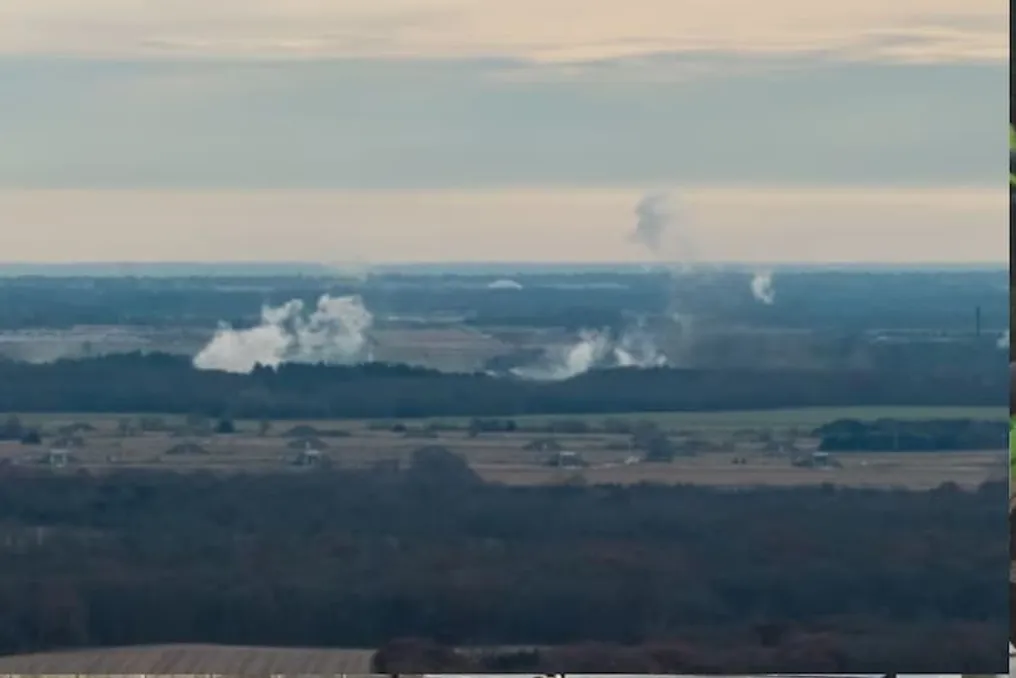
US military forces detonated approximately five tons of outdated military explosives at a powder factory located in southeastern Iowa on Wednesday. Local residents were evacuated to safe locations in advance due to concerns about toxic contamination.

A column of white smoke hundreds of feet high rose after the explosion. Videos taken from several kilometers away captured two plumes of white smoke over the blast site, which soon dissipated.

Local journalists reported a loud sound from the explosion. Despite official warnings to stay indoors, some people stopped their cars on nearby streets to watch the blast.

This explosion occurred at the Iowa military powder factory. Although the army's actions caused concern and fear among local residents due to fears of contamination and health threats, military officials assured that their goal was to prevent the leakage of toxic chemicals.

Precautions were taken during the detonation to ensure that poisonous lead particles did not reach nearby areas. Furthermore, NASA is monitoring the smoke plume using satellite imagery, and government agencies are assessing the level of pollution and environmental impact.

Just minutes after the explosion, bunkers filled with lead azide, President Donald Trump's reaction appeared on the social platform Truth Social. He wrote: 'According to initial reports from Iowa, the army's efforts to prevent contamination were more successful than expected.'
Similar stories

Elite communities in Gurugram combat air pollution by installing anti-smog cannons and sprayers
Read more
www.aajtak.in

Elite communities in Gurugram combat air pollution by installing anti-smog cannons and sprayers

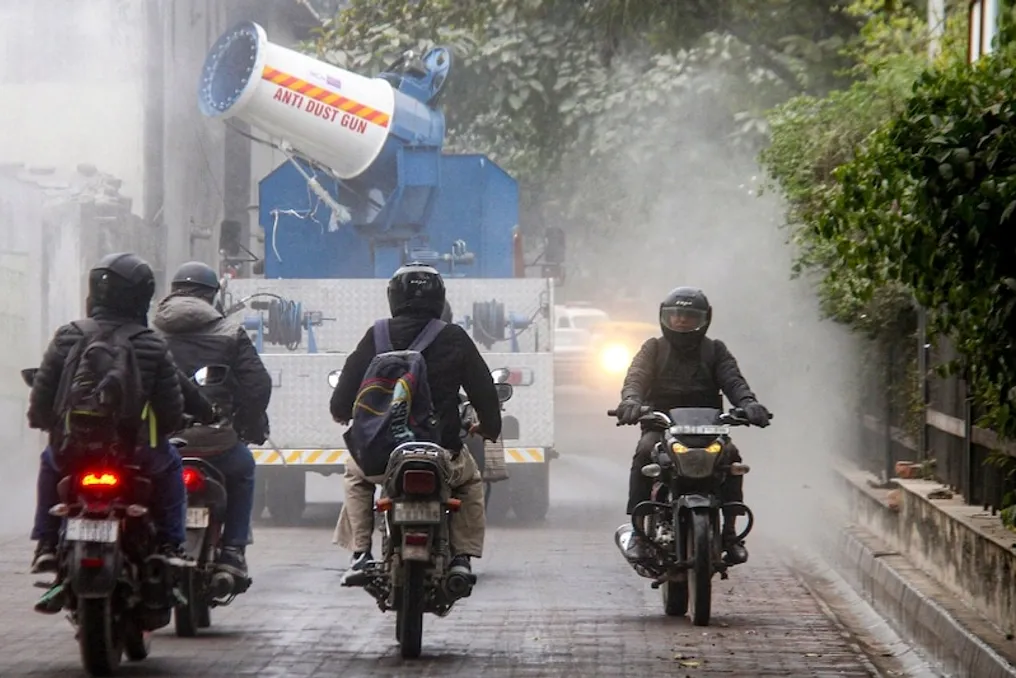
In response to rising air pollution in Gurugram, elite residential complexes have begun taking local measures. Some of them have installed anti-smog cannons on building rooftops, while others use water sprayers to control dust. Furthermore, some communities are utilizing treated water from Sewage Treatment Plants (STPs).

Many residents have also purchased air purifiers for their homes. Air quality in Gurugram has been steadily deteriorating recently. According to official data, the Air Quality Index (AQI) in the city reached 320 on Thursday, which falls into the 'very poor' category. The AQI scale is as follows: 0 to 50 – good, 51 to 100 – satisfactory, 101 to 200 – moderate, 201 to 300 – poor, 301 to 400 – very poor, and above 400 – extremely poor.

At Central Park Resort in Sector-48, fine water spraying is used to combat pollution via vehicles and e-rickshaws. Additionally, anti-smog cannons have been installed on building rooftops.

A resident of the Shailadja Bhatia community noted that despite purchasing luxury apartments for millions of rupees, people are not provided with a basic service like clean air. She questioned why a city that generates significant revenue for the state has to fight for clean air.

In the Rising Homes community in Sector-92, the Residents' Welfare Association (RWA) spent 2.5 lakh rupees about four years ago to connect the sewage treatment plant to the spraying system. This system allows treated water to be sprayed across the community premises. According to the RWA, the spraying time was increased by two hours after Diwali.

The RWA community chairman stated that environmental protection cannot be limited to discussions, advice, or shifting responsibility onto others; it requires investment, infrastructure, and continuous effort. Nevertheless, he also emphasized that the efforts of individual communities alone are insufficient to overcome air pollution.

Other upscale residential complexes in Gurugram are also taking various steps to counteract pollution. In Vipul Greens, located on Sohna Road, anti-smog cannons, rooftop sprayers, and dust control devices around trees have been installed. After Diwali, the sprayers operate there throughout the day.

Meanwhile, the administration of DLF City in Phases-1 and Phases-4 has allocated a separate budget for pollution control during the winter period. Dust and dirt from roads are removed using cleaning machines. Water spraying, dust control at construction sites, and monitoring instances of open waste burning are also being carried out.

Meanwhile, Gurugram Deputy Commissioner Uttam Singh issued an order on Wednesday banning the use of coal and wood for tandoors in all hotels, restaurants, and dining establishments in the district. The administration explains that this measure aims to regulate air pollution.

Popular