Brazil invests 2.7 million euros in Lusophone scientific cooperation to combat hunger
Read more
Noticias ao Minuto
noticiasaominuto.com

Brazil invests 2.7 million euros in Lusophone scientific cooperation to combat hunger

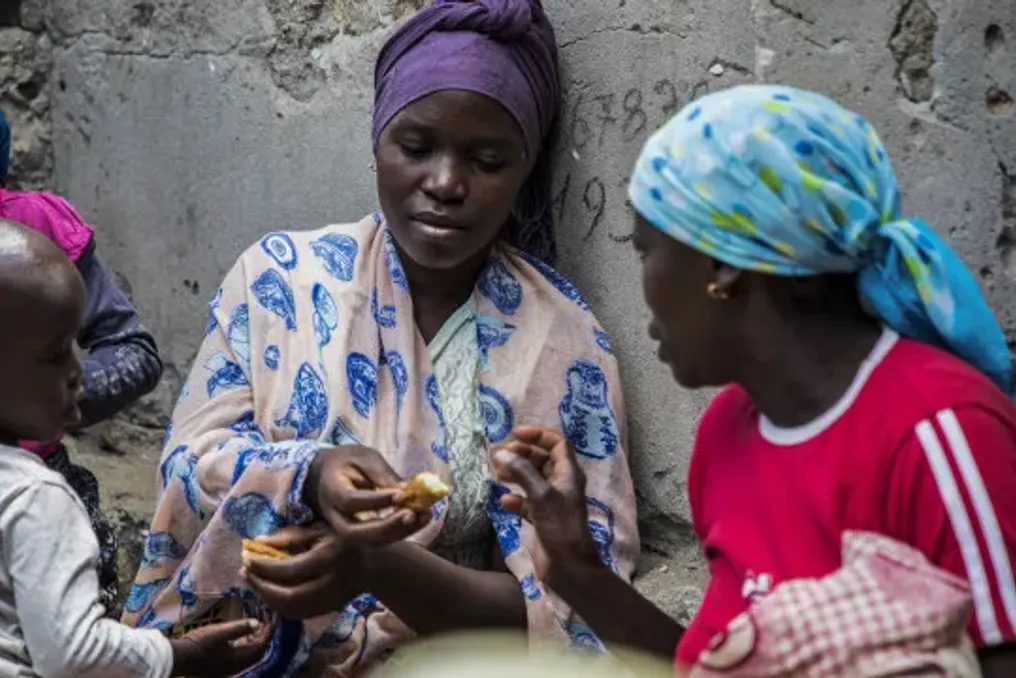
The Brazilian Government announced the allocation of 17 million reais, equivalent to 2.7 million euros, for a scientific cooperation initiative among members of the Community of Portuguese Language Countries (CPLP). The main objective of this investment is to tackle hunger and strengthen food security in Portuguese-speaking countries.

This announcement was made on Tuesday by Germana Pires, Secretary of Science and Technology for Social Development at MCTI, during the launch of the Lusophone Alliance for Territorial Transformation, an event held in Brasília.

Germana Pires stated that this amount represents an unprecedented investment, focused on research and scientific cooperation specifically aimed at food and nutritional security, with the goal of building a true Lusophone alliance against hunger.

According to the Brazilian Government, the program includes the execution of 18 practical projects and the training of 300 participants. Furthermore, the nine CPLP countries will have access to a common platform for sharing data and studies, assisting in the formulation of food security policies.

The planned projects will involve local communities both in identifying their needs and in testing solutions to optimize water access, promote more sustainable agriculture, and reduce food loss, as reported by the Brazilian Government.

Manuel Lapão, Director of CPLP Cooperation and present at the event, emphasized that the true value of this alliance lies in its ability to convert scientific knowledge into tangible results and investigations that can support the better definition of public policies.

In Brasília, Eugénio Adolfo Alves da Silva, representative of Angola's Ministry of Higher Education, Science, Technology, and Innovation, highlighted that improving seeds and studying soils are priorities for Angola. He advocated for bringing universities closer to rural communities, mentioning that Angolan agricultural production still relies mainly on cooperatives and family farming.

Similar stories

Brazilian government revises grain harvest forecast, reducing estimate by one million tons
Read more
noticiasaominuto.com

Brazilian government revises grain harvest forecast, reducing estimate by one million tons

The Brazilian government adjusted the grain production projection for the 2026/2027 biennium, decreasing the previous estimate by one million tons. This downward revision occurs amid concerns about the impact of climatic conditions on crops.

According to the second survey conducted by the National Supply Company (Conab), Brazil is expected to produce 366.1 million tons of grains. This figure represents a slight decrease of 0.3% compared to the 367.1 million tons forecasted in October. Despite this reduction, the new estimate indicates an increase of 1.3%, equivalent to 4.6 million tons, when compared to the 2025/2026 season's production.

Conab points to irregular rainfall, high temperatures, and the effects of the El Niño phenomenon as factors contributing to concerns about crop productive potential. The entity's report details that the climatic conditions observed in October showed large disparities across various regions of Brazil.

While the South and certain areas of the South-Central region of the Center-West and Southeast recorded rainfall exceeding 150 millimeters, much of the North and Northeast regions received precipitation below 120 millimeters. In specific areas of the northeast of the North Region and the north-central part of the Northeast, accumulation was less than 40 millimeters, which reduced soil water availability.

In the South, even with high rainfall volumes, excess water and low luminosity caused localized damage to crops, resulting in reduced plant development and forcing the replanting of first-season corn in some locations.

Conab also issues a warning about the continuation of El Niño, mentioning that equatorial Pacific Ocean surface temperatures remain above average and there is a possibility for the phenomenon to maintain high intensity until the end of 2026.

For the period between November of this year and January 2027, the National Institute of Meteorology (Inmet) projects below-average rainfall in the North regions and in most of the Northeast and Southeast regions.

In terms of overall productivity, the national average is expected to fall by 1%, reaching 4,290 kilograms per hectare. However, the cultivated area is expected to grow by 2.3%, totaling 85.3 million hectares, which represents an increase of 1.9 million hectares compared to the previous season.

Among the most important crops, soybeans are expected to maintain their leadership in Brazilian production, with an expectation of 181.6 million tons, cultivated on about 49.3 million hectares. Furthermore, Conab forecasts 148 million tons of corn, considering the three harvests, although the average productivity is expected to drop by 2.3% compared to the last cycle.

Other projected crops include 10.6 million tons of rice, which constitutes a 4.7% reduction compared to the previous harvest, and 2.9 million tons of beans, representing a 1.8% decrease. Wheat is expected to suffer a sharp drop of 33.2%, with an estimated production of 5.3 million tons, a result primarily linked to the reduction in planted area and unfavorable climatic conditions, especially in the states of Paraná and Rio Grande do Sul.

Finally, Conab emphasizes that all these projections are subject to changes, as they depend on multiple factors, including market performance and climate variations.

Brazilian initiative on climate financing presented at COP 31
Read more
super.abril.com.br

Brazilian initiative on climate financing presented at COP 31

The United Nations Climate Conference (COP 31) began on November 9 in Antalya, Turkey, and will run until the 20th of this month. Over these two weeks, representatives from nearly 200 countries are gathering to discuss measures for environmental protection and combating the climate crisis. Topics of focus include global warming, fossil fuels, energy transition, and preparing populations for climate change.

Scientists, environmentalists, civil society organizations, and businesspeople participate in the conference, but official negotiations are conducted by representatives of countries who may be heads of state, ministers, diplomats, and others. The goal of these discussions is to achieve international agreements and environmental commitments by the end of COP, including setting greenhouse gas emission reduction targets. These decisions are made by consensus among governments.

Each country presents its proposals and topics it deems important for discussion, and some even organize pavilions within the event. This is the case with Brazil, which hosted COP last year and is now presenting the results and continuing the initiatives of COP 30.

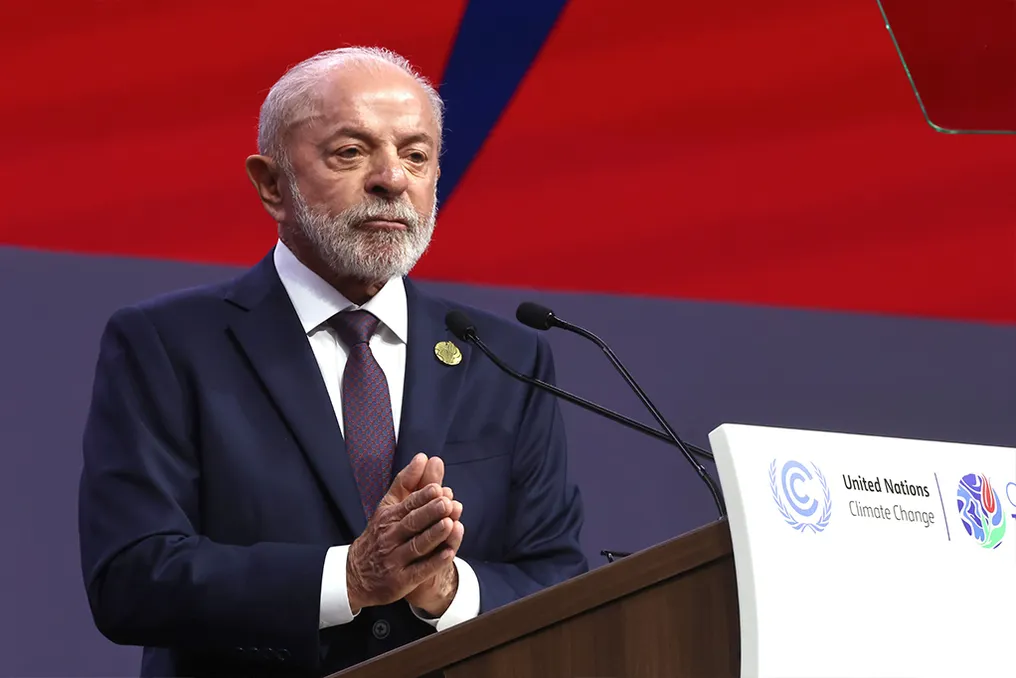
President Lula is in Turkey along with ministers, deputies, and representatives of the Brazilian financial market. The main topics that Brazilians will present over the days include fossil fuels, deforestation, and climate financing. These issues will be highlighted in the Brazilian program, which includes presentations and debates in its pavilion, and will also be officially proposed in negotiations with other countries.

Special attention is paid to climate financing—a topic long discussed at COP. Essentially, this term refers to mobilizing financial resources so that countries (primarily developing ones) can meet their climate goals and implement environmental projects.

Brazil's proposal is to achieve a target of attracting no less than $1.3 trillion USD annually in climate financing for developing countries by 2035. This target was defined at COP 29 in Baku, Azerbaijan, and has two levels. The main level stipulates at least $300 billion annually until 2035, with developed countries leading this mobilization from both public and private sources. The second, broader level calls on everyone—governments, development banks, and the private sector—to work together to increase the total amount to at least $1.3 trillion per year. At COP 30 in Belém, countries decided to accelerate actions towards this amount. Thus, Brazil proposes confirming this commitment and fully expanding the financing, which has been insufficient in recent years and does not meet the needs of developing countries.

The $1.3 trillion figure refers to the total volume that should be directed annually to developing countries to finance climate measures. This volume can be used, for example, for building clean energy facilities, protecting forests, and creating structures resilient to climate phenomena.

However, when it comes to climate financing, one of the main discussions is who will provide the money and how. It is not as simple as opening a bank account and waiting for countries to deposit over a trillion dollars to transfer to developing nations. Resources can come from various sources and instruments: private investments, where companies and banks invest money in sustainable projects; government donations that do not require repayment; loans (which must be repaid later by developing countries); carbon markets, and other opportunities. Countries disagree on the weight of each source: developing countries demand more public money from wealthy nations, while the latter rely on the private sector. The Brazilian plan proposes a middle ground, combining public and private resources, without relying on a single method of fundraising.

The proposal will be discussed with other countries on November 13 during COP 31's Day of Finance and Trade. Meanwhile, the report of the Presidency of Brazil at COP 30 is already available, detailing the proposal and explaining possible resource sources. The document was published on November 8.

Titled 'Implementing the Baku to Belém Roadmap to $1.3 Trillion,' this 78-page document presents six areas that could become sources of climate financing. According to the report, these areas do not have equal weight: they were chosen as primary funding channels identified during the Baku to Belém Roadmap process, not based on their size. The document explains: 'The six assessment areas correspond to the main channels and instruments identified within the Baku to Belém Roadmap process, not their current or potential magnitude. Therefore, they do not possess comparable scale or maturity and should not be interpreted as six equivalent pillars.'

The idea is that by expanding the resources in these areas, the trillion-dollar sum can be reached. According to the report, without changes, international climate financing will reach only between $458 and $461 billion annually by 2035; with the proposed measures, it could amount to between $1.27 trillion and $1.41 trillion. Another proposal is to track this financial volume using a 'climate finance action compass,' a tool jointly created with the Climate Policy Initiative organization to monitor the scale, speed, coverage, and impact of resources.

Brazil joins international agreement to mitigate space debris and ensure satellite protection
Read more
olhardigital.com.br

Brazil joins international agreement to mitigate space debris and ensure satellite protection

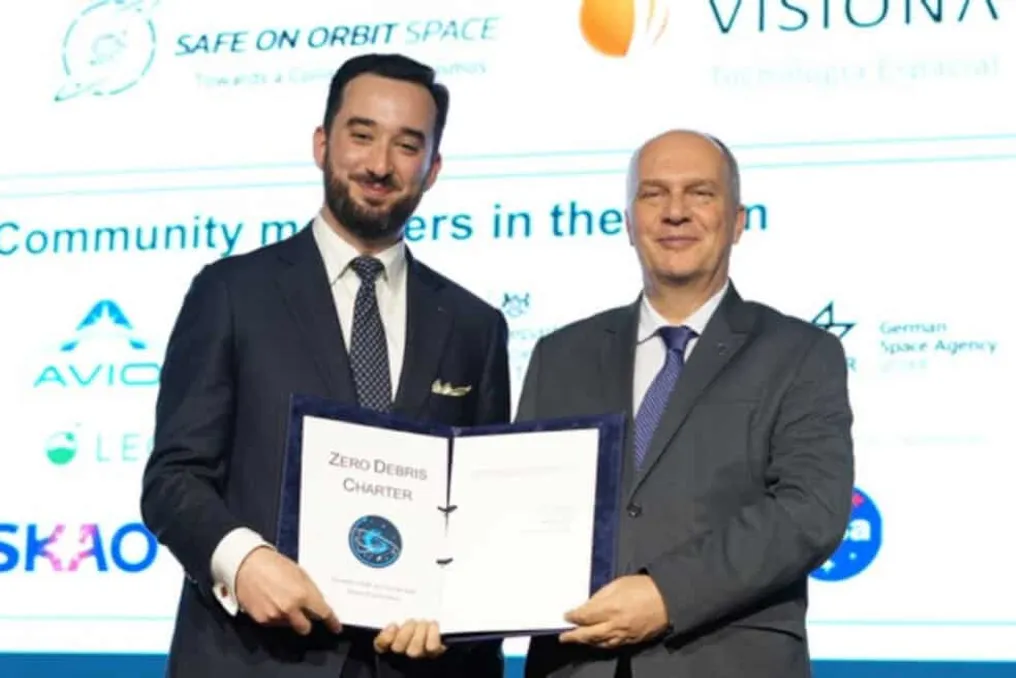
Brazil formalized its adherence to an international pact aimed at reducing the amount of space debris and enhancing the safety of satellites in orbit. This acceptance of the so-called Zero Debris Charter occurred on November 4th during the 8th Space Sustainability Summit, officially ratified by the Brazilian Space Agency (AEB). Brazilian companies Visiona Espacial and Safe on Orbit also signed this document.

This initiative, led by the European Space Agency (ESA), brings together governments, companies, higher education institutions, and other entities in the space sector. The central purpose is to define procedures to reduce debris creation and maintain operational conditions in space until the year 2030.

The agreement stipulates several actions, such as preventing orbital collisions and explosions, improving the monitoring of space objects, and planning appropriately for the disposal of satellites and other equipment after the completion of their functions.

The AEB, an agency linked to the Ministry of Science, Technology, and Innovation (MCTI), announced Brazil's entry into this commitment. According to the Agency's president, Marco Antonio Chamon, sustainability must be a factor considered from the initial phase of space project development.

The Zero Debris Charter constitutes a global agreement designed to encourage more sustainable methods in space activities. Its development began in 2023 through a collaborative process coordinated by the ESA, involving various representatives from industry, academia, and space agencies.

The document establishes collective goals and principles valid until 2030. One objective is to increase the availability of data on space objects measuring up to five centimeters in low Earth orbit and 20 centimeters in geostationary orbit. This would facilitate better risk assessment and maneuver planning to avoid impacts.

Additionally, the Charter mandates that the probability of generating debris from fragmentation or collisions should be less than one event in a thousand objects during their time in orbit.

Space debris comprises artificial artifacts that remain in orbit without performing any operational function. This category includes deactivated satellites, rocket parts, equipment remnants, and waste generated by explosions or collisions.

Even small particles can pose a danger to active satellites, as these fragments move at extremely high speeds, making potential impacts with small objects quite risky. The scenario could worsen, as a collision can generate new fragments, which then pose extra threats to other missions.

The concern extends beyond scientific activities, as satellites are vital for navigation, communication, environmental monitoring, and weather forecasting services. Damage to these devices can impact terrestrial services and infrastructure.

One of the pillars of the Zero Debris Charter is considering the fate of equipment even before its launch. When a satellite completes its useful life, it should not remain indefinitely in an orbital area used by other equipment. Depending on the altitude and mission characteristics, tactics can be implemented to remove it from the operational zone or induce its reentry into the Earth's atmosphere.

The initiative also sets goals for removing objects from low and geostationary orbits, aiming for a minimum success rate of 99% in vacating these regions after missions conclude.

Another aspect addressed is the reduction of risks to people on the surface. Certain components of space equipment may survive atmospheric passage and reach the ground.

It is important to note that the Zero Debris Charter does not have mandatory legal force. According to the ESA itself, it constitutes a collaborative commitment, dependent on the contribution of participants according to their capabilities and restrictions.

In the Brazilian context, the adherence did not come with new regulatory rules for those operating satellites, nor were specific national deadlines defined for the application of the measures. Thus, the country's participation signals an engagement with international space sustainability practices, during a period of growth in orbital activities and increasing attention to operational safety.

Popular