The unmanned Dragon capsule from SpaceX landed in the Pacific Ocean near Los Angeles at 14:03 Pacific Time. This landing concluded the 35th commercial resupply mission to the International Space Station (ISS), organized by NASA. The spacecraft delivered scientific samples and equipment that can serve as a basis for future space flights and research, benefiting life on Earth.
Medical and Biological Experiments Aboard
Dragon detached from the space station on November 20 at 11:05 Central Time (US). Among the materials returned to Earth were:
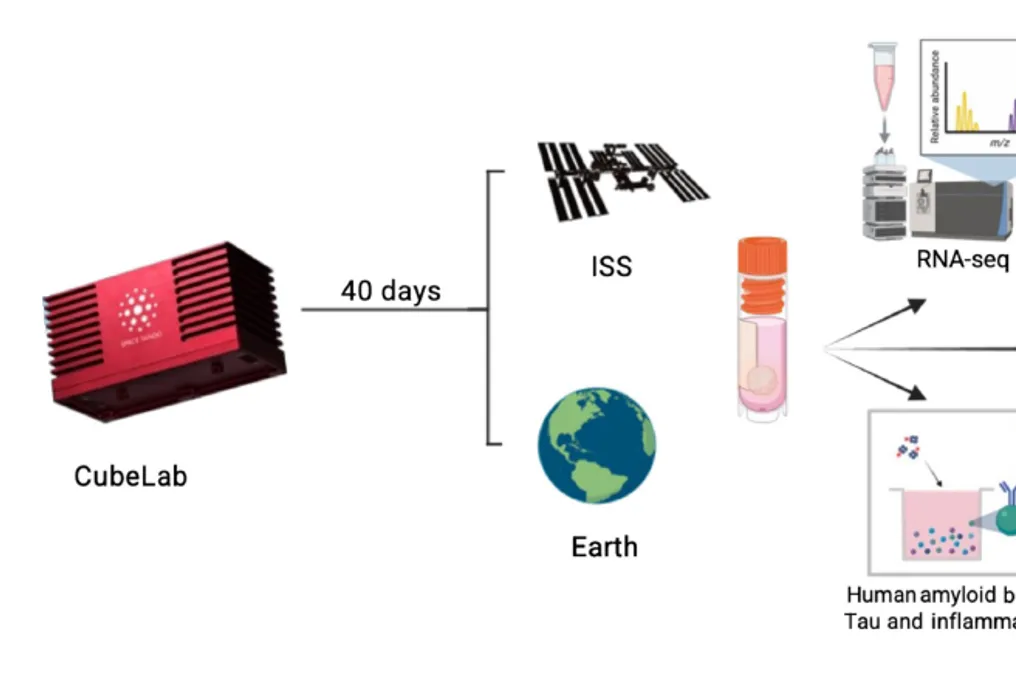
A blood vessel structure printed on a 3D printer: it is used in studies concerning vascular aging and cardiovascular diseases both in space and on Earth.
Frozen tumor organoids: these are samples that underwent treatment aboard the station, and they may help in identifying new methods to improve cancer therapy and advancing personalized medicine.
Frozen microbial samples: these will be analyzed to study how antibiotic-resistant bacteria survive, adapt, and evolve in the space environment.
In addition to biological samples, the capsule also brought back a lighting system that had been on the station for over three years. During this period, researchers assessed its potential to improve astronaut sleep and well-being during long missions.
The spacecraft arrived at the International Space Station on October 15, two days after launch. The launch took place from Launch Complex 40 at Cape Canaveral Space Force Station in Florida, using a Falcon 9 rocket.