The use of technology heavily depends on individual user habits, but many do not consider that their routine directly depends on the goodwill of companies. Usually, this realization comes when a manufacturer announces the discontinuation of support for a product that was actively used by the user.
The situation with Nest from Google serves as an example. According to publicly available data, the application was downloaded by more than ten million users solely within the Android environment. Among these millions are Nest users (of applications and devices) who recently received negative news.
Google announced the shutdown of the Nest application on January 25, 2027. The company also stated that it will replace Google Assistant with Gemini in its smart home devices. This change is part of the company's review of home automation services.
After the discontinuation of Nest support, thermostats, cameras, and alarms of this brand will be managed exclusively through the Google Home application. The company notified that devices and video streams will be automatically migrated to the new platform provided the user has set up the application.
According to Google, the new assistant will provide a more natural interaction and the ability to ask complex questions, allowing users to forgo the need to give specific commands to control home gadgets.
Essentially, this announcement is a warning for those who continue to use the Nest app icon to activate their speaker or use Google Assistant in the Gemini era. This phenomenon is called digital obsolescence.
Digital obsolescence occurs when an electronic device, such as a smartphone, smart TV, or internet-connected appliance, stops functioning or becomes unusable not due to physical damage, but because the manufacturer has stopped updating its system.
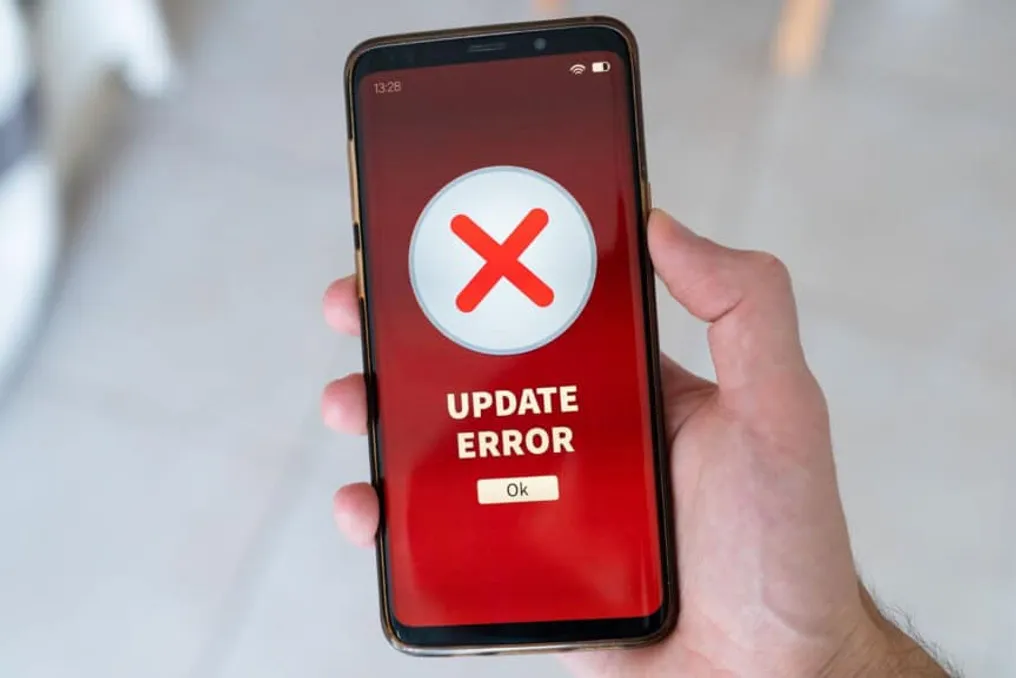
In practice, the hardware components of the device may continue to work. However, because the software becomes outdated or the company's servers are shut down, applications stop opening, the device loses internet connection, and it becomes vulnerable to hacker attacks.
A study published in September at the request of the European Parliament recorded 83 instances of the discontinuation of digital products and services. In this review, about half of the cases occurred due to the company shutting down the servers supporting the device's operation. This led to a sudden, complete, and irreversible loss of functions.
Typically, this forces the consumer to throw away and replace a product that theoretically still functions perfectly, at least from the perspective of its hardware.