BAIC reaches 50 points of sale in Brazil and plans to expand the network to 150 by the end of 2027
Read more
AutoPapo
autopapo.com.br

BAIC reaches 50 points of sale in Brazil and plans to expand the network to 150 by the end of 2027

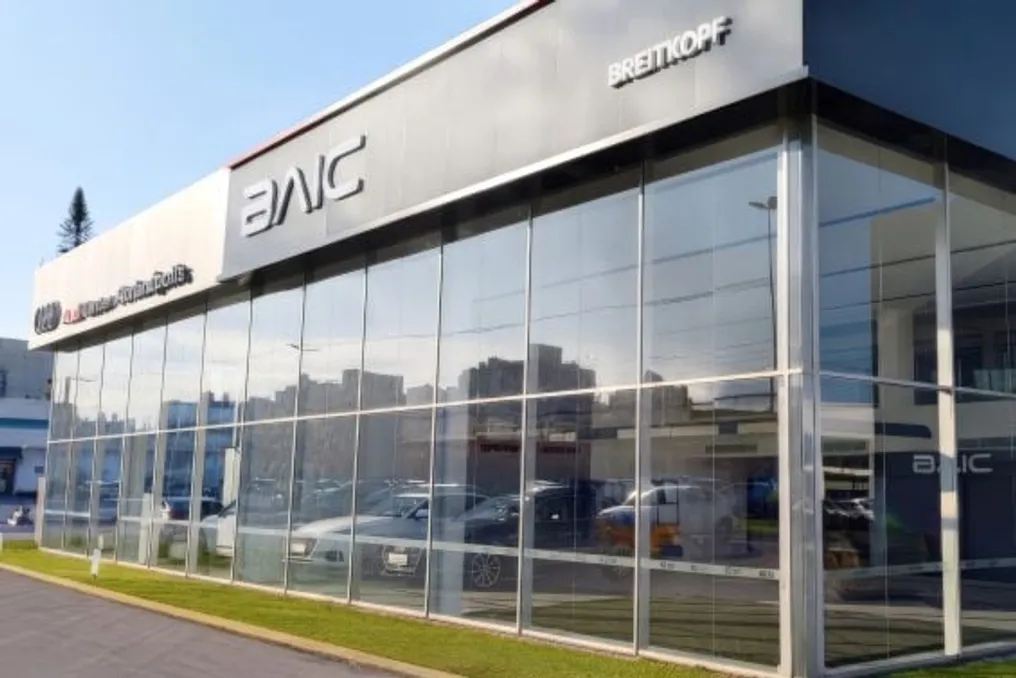
BAIC, the Chinese manufacturer that began its operations in Brazil this year, announced that it has reached 50 points of sale in the national territory and set a goal to triple its network by the end of next year.

This balance was disclosed on Tuesday, the 24th. The brand informed that these stores are operated by 40 business conglomerates and are spread across the five regions of the country.

Future planning includes reaching 100 points of sale by the end of the first half of 2027 and expanding to 150 units by December 2027, aiming to cover the entire Brazilian territory.

BAIC's operations director in Brazil, Oswaldo Ramos, stated that the company's purpose goes beyond just increasing the number of sales locations, focusing on developing a robust commercial structure.

Ramos, who was also involved in the implementation of GWM, another Chinese brand in the country, had previously told the newspaper O Tempo that the expansion pace would be 50 new stores every semester.

The company guarantees that the opening of new stores is complemented by the organization of after-sales service, which includes 24-hour technical support, technical training, and spare parts inventory maintenance.

Additionally, BAIC emphasizes that it has selected partners with a history in the automotive segment in the cities where it operates, although the announcement does not specify how many of the 50 points are already available to the public.

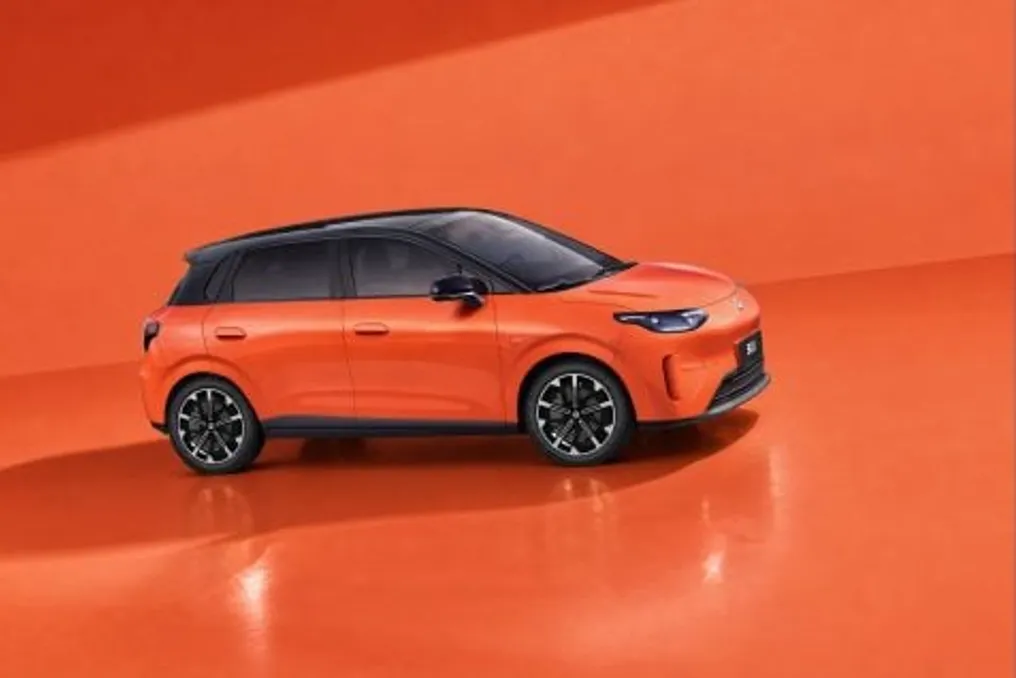
Currently, the network features one delivery vehicle: the Arcfox T1, a fully electric hatchback with an initial price of R$ 130 thousand, deliveries for which began this month. The second model to be offered is the Arcfox T5, an electric SUV, priced at R$ 219.9 thousand. For the year 2027, the arrival of the B30 model, a hybrid SUV, is planned.

Founded in Beijing in 1958, BAIC is positioned as the fifth largest automotive group in China and reported selling 1.75 million vehicles in 2025.

The automaker also has production plans in Brazil. Ramos informed AutoData that the location of the future factory has already been defined, outside the state of São Paulo, and that details will be revealed during the first half of 2027.

Similar stories

Brazilians can invest in Anthropic through BDRs for about R$ 60
Read more
olhardigital.com.br

Brazilians can invest in Anthropic through BDRs for about R$ 60

Brazilian citizens now have the opportunity to invest in Anthropic, an artificial intelligence company whose shares began trading on the Brazilian Stock Exchange this Thursday, the 19th. This trading occurs through Brazilian Depositary Receipts (BDRs) at an approximate cost of R$ 60.

This operation was launched concurrently with the AI company's debut on the Nasdaq in the United States, allowing investors in Brazil to have a stake in the company without needing to invest directly in the international market.

The receipts are available on B3 under the code ANTH34 and can be bought in reais, using the platforms of accredited brokers. This initiative accompanies Anthropic's IPO in the US, where each share was priced at US$ 83, which was equivalent to about R$ 482 at the closing price on Wednesday, the 18th.

The product offered by B3 has a 1:8 parity, meaning that each Anthropic share traded on Nasdaq corresponds to eight BDRs in the Brazilian market. The term BDR refers to Brazilian Depositary Receipt and represents foreign securities traded within the national territory.

With BDRs, investors can access international corporations without the bureaucracy of opening accounts abroad, making international transfers, or executing direct currency exchange operations. To acquire Anthropic receipts, one must have an account with an authorized financial institution or brokerage, accessing the home broker or investment platform to search for the code ANTH34 and submit the purchase order.

The acquisition process is similar to that used for trading Brazilian stocks, ETFs, and other BDRs listed on the exchange, with all steps completed in Brazil and in local currency, without the requirement of conversion to dollars.

Luiz Masagão, Vice President of Products and Clients at B3, highlighted that the introduction of Anthropic receipts expands the reach of national investors to global companies focused on innovation. He stated that the launch of the Anthropic BDR, coinciding with the IPO in the United States, reinforces B3's role in facilitating Brazilian investors' access to world innovation companies at an affordable cost, strengthening diversification opportunities through the domestic market.

Anthropic now joins a group of international companies that already have BDRs on the Brazilian stock exchange. This group includes companies from sectors such as technology, entertainment, and consumer goods, citing examples like SpaceX, Apple, Microsoft, Amazon, Alphabet, Meta, Tesla, Netflix, Disney, Coca-Cola, and McDonald's.

Despite the ease of investing in these assets in the national market, B3 warns that BDRs carry risks that must be evaluated before purchase. The value of the receipts is subject to fluctuations in the shares traded abroad and to currency changes, which also impact their value in Brazil. Additionally, these assets are subject to international market instability.

The stock exchange emphasizes that such movements can generate an even more pronounced effect in cases of growth and technology companies, such as Anthropic. To help investors gain more knowledge about this type of investment, B3 provides financial education content, including a free course on the B3 Education platform about BDRs, detailing the operation, modalities, and crucial points of attention for those interested in international assets.

China and APEC Members Achieve Nearly 50 Results in Economy and Trade in 2026
Read more
cgtn.com

China and APEC Members Achieve Nearly 50 Results in Economy and Trade in 2026

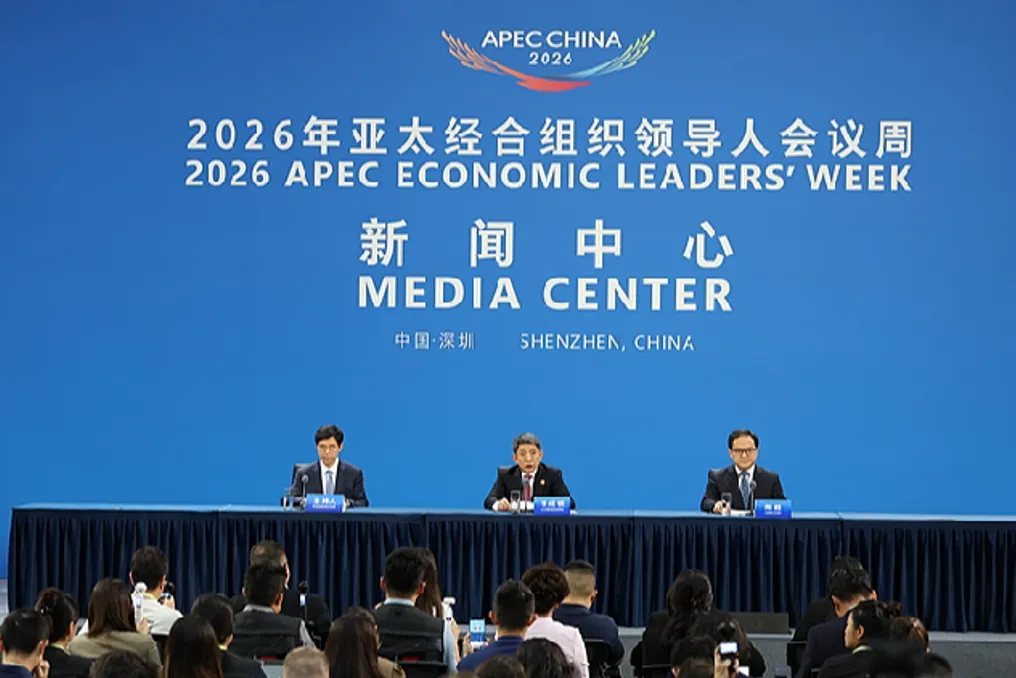
China's international trade representative, Li Chengan, announced on Monday that China has achieved nearly fifty practical results in the field of economy and trade jointly with other economies belonging to the Asia-Pacific Economic Cooperation (APEC) this year.

Li, who is also the deputy minister of the Ministry of Commerce, made these statements during a press briefing at the media center of the 2026 APEC Economic Leaders' Week in Shenzhen, Guangdong Province, in southern China.

He reported that the ministry, together with relevant departments, has promoted cooperation in trade and economic spheres across four main areas: promoting regional economic integration, supporting the work of the World Trade Organization, deepening digital and intellectual interaction, and developing the green economy.

According to official from the Ministry of Commerce, Chen Chao, 25 of the achieved economic and trade results relate to areas such as trade digitalization, artificial intelligence (AI), and cross-border e-commerce.

Chen noted that these results cover the creation of platforms, practical interaction, and AI-based trade. He emphasized that amid the rapid development of the digital economy and AI, all participants are paying close attention to economic and trade cooperation in these sectors.

The 33rd APEC Economic Leaders' Meeting will take place in Shenzhen from November 18 to 19, and the APEC Directors' Meeting Summit is scheduled for November 17–18.

Chinese brands plan large volume of launches in the Brazilian market until 2027
Read more
autopapo.com.br

Chinese brands plan large volume of launches in the Brazilian market until 2027

The presence of Chinese brands in the Brazilian market is expected to continue growing in 2027, with several companies already confirming significant launches for the coming year. The year 2026 already demonstrated a notable advance by the Chinese manufacturers; between January and October, 418 thousand licenses were registered, according to data from the National Federation of Automotive Vehicle Distribution (Fenabrave).

This volume represents the performance of seven Chinese brands, covering 21 emblems, meaning that Chinese brands already constitute one-third of the best-selling badges in Brazil. In terms of market share, the Chinese sector reaches 22.65%, surpassing Fiat, which leads general sales with 19.44%. There is potential for this share to increase even more, given that Jetour, Caoa Changan, and BAIC were introduced this year. Although two models are already confirmed for sale in 2027, the accelerated pace of Chinese companies suggests the possible arrival of other vehicles.

Consolidated Presence of BYD and GWM

Companies like BYD and GWM already have a solid base in the country, boasting local production, flex engines, and an extensive dealership network. New brands entering the market follow a similar path, such as Changan, represented by the Caoa group.

The launch schedule was intense in 2025 and 2026, and this pace is expected to continue in 2027. Below, the main new features planned for Brazil next year are detailed, organized by manufacturer.

BYD News

Currently, BYD is the Chinese brand with the highest sales volume in Brazil, registering 9.96% market share from January to October. It has established itself as the fourth best-selling brand in the country, trailing only Volkswagen, Fiat, and General Motors, with one in ten cars sold in Brazil belonging to BYD.

For 2027, BYD plans to launch the intermediate pickup Mako, which was presented without camouflage at the Interlagos Festival. This vehicle will compete with the Fiat Toro, using the Song Pro's plug-in hybrid flex system. It was observed that BYD prioritized cabin interior space over the bed in the Mako, whose cargo compartment is smaller than that of the Toro. Furthermore, it is expected to offer an all-wheel-drive option, as it will initially come only with front-wheel drive.

Another BYD launch planned for 2027, already assembled in Brazil, is the Dolphin GT. This plug-in hybrid version of the Dolphin serves as an alternative for combustion engine car consumers who are not yet ready to fully switch to electric vehicles. Additionally, the medium sedan King will undergo a facelift in 2027 and receive a flex engine, making it the only BYD model that still uses the exclusively gasoline-powered 1.5 naturally aspirated engine.

Caoa Changan Launches

Caoa Changan officially announced the launch of eight new vehicles in Brazil in 2027. Although it did not specify all the models, it anticipated the inclusion of the Deepal and Nevo divisions among the new arrivals. These brands target the premium segment and offer 100% electric or Range Extender Electric Vehicle (REEV) options. Motor1 captured images of the Deepal S09 during testing. This large three-row SUV competes with the GAC GS9, GWM Wey 07, and BYD Atto 8, following the trend of offering individual seats in the second row and luxury finishes.

The Chery brand, represented by Caoa in Brazil, confirmed five launches for 2027, despite incursions from other Chery divisions. One of these models will be the full hybrid Tiggo 5X, whose confirmation occurred at the 2025 Auto Show. It will use the same powertrain as the Omoda 5, combining a 1.5 turbo engine and an electric motor, totaling 224 hp.

According to Autoesporte magazine, another Caoa Chery launch will be the new Tiggo 2, an entry-level SUV intended to compete with the Volkswagen Taos and the Chevrolet Sonic. Chery's headquarters began its sales in Brazil through the Omoda and Jaecoo brands, which have shown good results. For 2027, the company plans to expand the line of these divisions and start working with new brands.

Jaecoo will have the Model 8, a large three-row SUV considered a sibling of the Chery Tiggo 9. This vehicle was exhibited at both the 2025 Auto Show and the 2026 Interlagos Festival. Meanwhile, Omoda will present the Model 4, a compact SUV with a sporty design, equipped with the same 224 hp hybrid powertrain found in other group models.

In 2027, the Chinese company will also introduce iCaur cars to the market, starting in the first half of the year with the V27, which was reviewed by AutoPapo in China. Another group brand debuting in Brazil will be Lepas, with the L4, L6, and L8 models.

The Chery Group is still evaluating the possibility of bringing the QQ3, an electric hatchback, to compete with the Geely EX2 and the BYD Dolphin. However, its global CEO, Guibing Zhang, indicated that this would only be feasible in Brazil if there was local production. The group is negotiating with Jaguar Land Rover to take over the Itatiaia (RJ) plant, which was deactivated at the end of the first semester, awaiting approval from the new executive chief in Rio de Janeiro to formalize the agreement.

Geely Movements

Geely did not make as many launches in 2026 as other Chinese brands, presenting only the EX5 EM-i. The company is preparing to begin manufacturing this hybrid SUV and the EX2 hatchback at the Renault plant located in São José dos Pinhais (PR) starting in November.

For 2027, the brand intends to introduce a new division in Brazil, Lynk & Co, positioned in the premium segment, below Zeekr, with a strong focus on onboard technology.

GWM Plans

GWM operates an existing factory and announced the construction of a second, larger unit in the state of Espírito Santo, which will only enter operation in 2029. For 2027, GWM will bring the Tank 700, a 5-meter jeep with over 500 hp, which will be a direct competitor to the Jetour G700. Additionally, the Autos Segredos portal reported that the plug-in hybrid version of the Poer P30 will be launched, sharing the mechanical package of the Tank 300, consisting of a 2.0 turbo flex engine and an electric motor integrated into the gearbox.

Leapmotor Offer

Stellantis confirmed that 2027 will feature three new Leapmotor vehicles. One of them, the large SUV C16, has already been displayed in Brazil and will come with six seats, following the proposal of the GAC GS9 and GWM Wey 07. Another important bet by the Chinese brand is the B03, sold in China as A05, a compact 4.2-meter hatchback with a 95 hp engine.

Leapmotor will also offer an electric compact SUV, the A10, which will have a more powerful 121 hp engine and should compete with the new DFM Vigo and the GWM Ora 5.

Popular