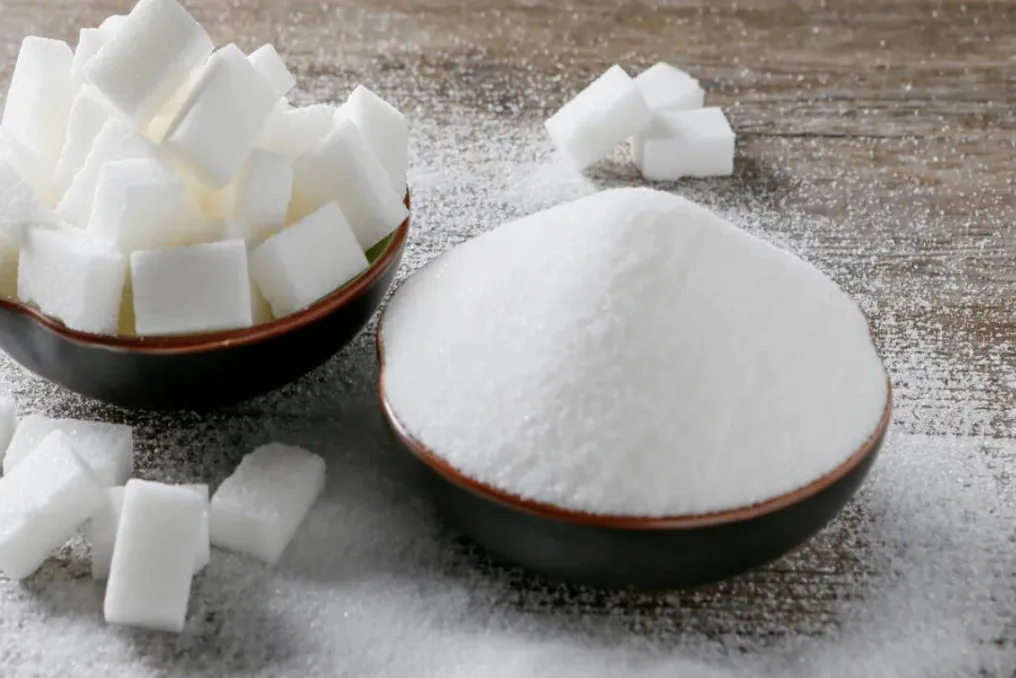
Poor monsoon reduces sugar harvest in India; total production may not cover domestic demand
Read more
The times of India
timesofindia.indiatimes.com

Poor monsoon reduces sugar harvest in India; total production may not cover domestic demand

According to the industry association ISMA, the gross sugar production in India for the 2026-27 season (October-September) is projected to decrease by 15%, which is the lowest figure in the last decade. This decline is attributed to a sharp drop in the harvest in the states of Maharashtra and Karnataka due to insufficient rainfall.

Nevertheless, the reduction in the availability of refined sugar is expected to be relatively smaller—only 5.4%—because the government has suspended the redirection of sugar for ethanol production this season. The volume of net production is estimated at approximately 265 lakh tonnes, compared to almost 280 lakh tonnes in the previous season.

The data shows that the lowest net sugar production in the last decade was in 2016-17 (202.5 lakh tonnes), and the second lowest was in 2024-25 (261 lakh tonnes).

The difference between gross and net sugar production is determined by the amount of sugar diverted for ethanol production. Since such diversion is prohibited this season, the entire projected volume will be available for domestic consumption.

Annual sugar consumption in India is estimated at 280–285 lakh tonnes. Consequently, the projected production falls below domestic demand, which could potentially put pressure on retail prices and increase the likelihood of further imports to cover supply shortages.

In a statement, the Indian Sugar and Bioenergy Manufacturers Association (ISMA) noted that weather conditions in major sugar-producing states were varied, and crop development suffered due to climate variability associated with El Niño, off-season rainfall, prolonged droughts, and crop lodging in certain areas.

Dipak Ballani, CEO of ISMA, stated: 'The impact of uneven rainfall, prolonged droughts, and crop lodging in some regions is reflected in the current estimate.'

Uttar Pradesh is projected to remain the largest producer with a volume of 89 lakh tonnes, followed by Maharashtra with 87 lakh tonnes and Karnataka with 46.2 lakh tonnes.

According to government data, the average retail price of sugar on Tuesday, April 31, was 61 rupees per kilogram, which is 31% higher than a year ago.

On Wednesday, the government extended the period for duty-free import of 10 lakh tonnes of raw sugar until March 31, 2027. Additionally, in a separate notification, the deadline for converting imported raw sugar into white or refined sugar and selling it on the domestic market was extended until September 30, 2027.
Similar stories

Water shortage could cause the sharpest drop in wheat sowing in India in 26 years
Read more
business-standard.com

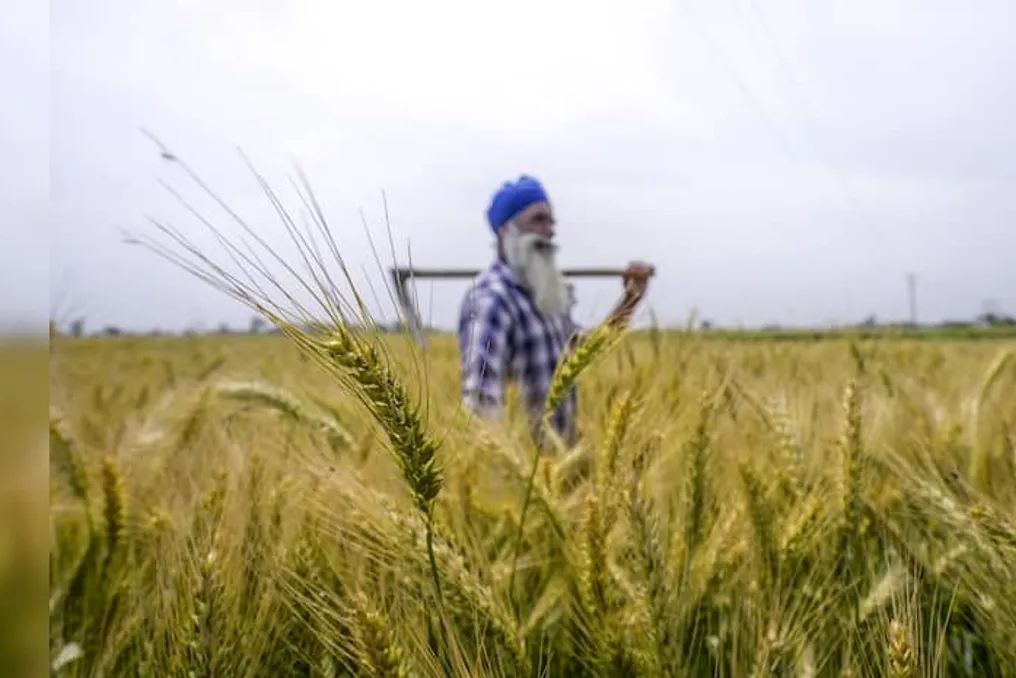
Water shortage could cause the sharpest drop in wheat sowing in India in 26 years

According to industry experts, wheat sowing areas in India may experience the most significant decline in the last 26 years. This is because the weakening of monsoon rains forces farmers to switch to less water-intensive crops, such as chickpeas, raising concerns about wheat yields and food inflation growth.

The fall in sowing, exacerbated by the risk of reduced yields due to the harsh El Niño weather pattern, threatens to limit production in the world's second-largest wheat producer. This, in turn, could lead to price increases and complicate efforts to curb food inflation.

Farmer Vilas Bhutekar from Jhalana in the western state of Maharashtra noted that wheat requires irrigation at least four to five times, but there is not enough water even for sowing. He reported that they chose chickpeas because it requires less water.

India's main winter crop, wheat, usually competes for sowing area with rapeseed, chickpeas, and maize. Monsoon rains in India from June to September were the lowest in over a decade. The drying effect of El Niño resulted in rainfall in key wheat-growing states such as Punjab, Rajasthan, Madhya Pradesh, and Maharashtra being 41 percent below the average.

Nitin Gupta, Country Head at Olam Agri India, emphasized that wheat requires more water than other competing crops, but water scarcity is observed in some regions this year, which may prompt farmers to plant less wheat.

According to government data, 5 million hectares (12 million acres) were sown with wheat by November 13, which is 15.3 percent less than the previous year. Based on the average estimates of 10 industry experts, sowings for the 2026/27 season are expected to be about 6 percent lower than last year's record of 33.6 million hectares (83 million acres).

This will be the sharpest decline since 2000/01, leading to the area under this crop reaching its lowest level in four years—31.58 million hectares (78 million acres).

Crop Shift

Wheat sowing areas are expected to remain largely stable in the key northern states of Haryana and Punjab, as these regions have access to reliable irrigation. However, industry experts indicate that farmers in other states are likely to switch from wheat to less water-demanding crops such as chickpeas and rapeseed.

Sandeep Bansal, a flour mill director from the northern state of Uttar Pradesh, noted that the prices of these crops have significantly increased compared to wheat prices, motivating farmers to divert sowing areas away from the grain crop. Bansal added that although wheat is traditionally the preferred choice for farmers, other crops offer better returns this year.

The Food Corporation of India procures wheat from farmers at a minimum support price, which New Delhi raised by only 1 percent this year—to 2,610 rupees per 100 kg. This is the smallest increase since 2002/03. A trader from New Delhi working in a global trading company stated that the government usually incentivizes wheat sowing by increasing procurement prices by 5-6 percent annually, and that the current increase of only 1 percent effectively discourages farmers from increasing wheat sowings.

PM Modi appealed to farmers not to depend on wheat, rice, and sugarcane, outlining future plans
Read more
www.aajtak.in

PM Modi appealed to farmers not to depend on wheat, rice, and sugarcane, outlining future plans

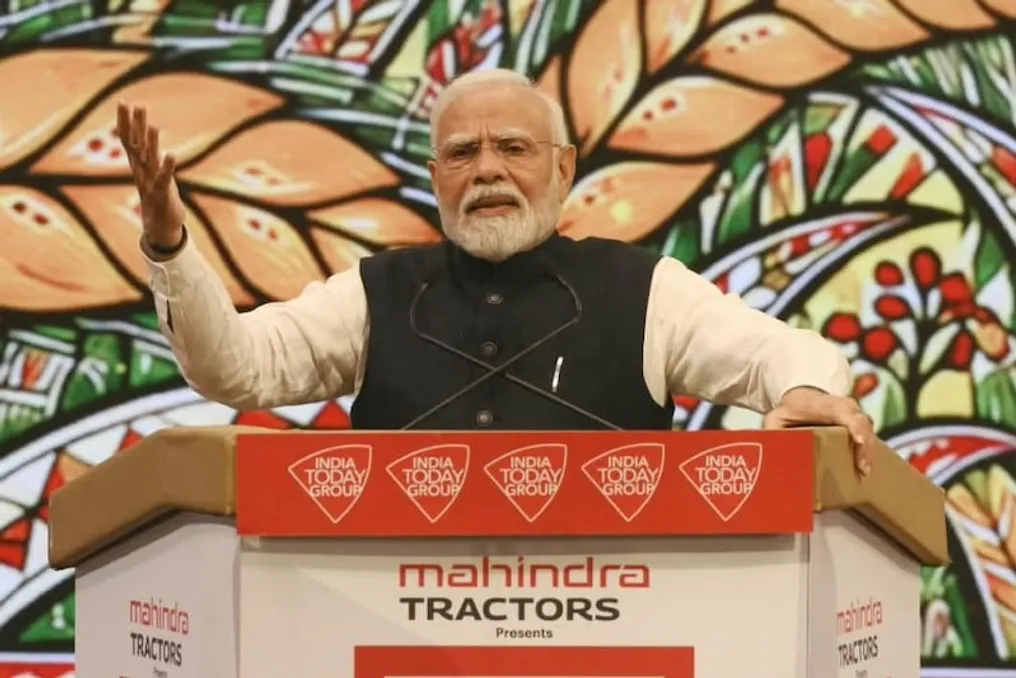
Prime Minister Narendra Modi addressed the 'Kisan Tak Bharat Agriculture Conference 2026' organized by India Today on Tuesday. This two-day event was held at Bharat Mandapam in Delhi, attended by over 2000 farmers, policy developers, industry representatives, and global experts. During the conference, the Prime Minister emphasized the need for changes in agriculture, increasing farmers' incomes, and opening new opportunities in the agrarian sector.

Modi stressed that changes in agricultural policies and methods are necessary over time. He noted that previous governments were satisfied with having grain stocks filled in the country but did not focus on what the farmers gained afterward. Since the needs of the world, market, people, diet, weather, and technology are constantly changing, farmers also need new avenues for development.

The Prime Minister stated that over the last decade, the country has been trying to adapt to these changes. The result is that India now exports agricultural products worth more than 400 billion rupees annually. These funds help increase farmers' income. He also mentioned that India ranks first globally in milk, pulses, and jute production. Furthermore, India has become a leader in rice production and ranks second in wheat, cotton, fruits, vegetables, and fish production. India is the world's largest producer of millets.

Modi asserted that these figures demonstrate the potential of Indian farmers. He urged farmers not to rely solely on traditional crops such as wheat, rice, and sugarcane. The Prime Minister emphasized that for farmers to prosper, it is also important to develop other types of crops and related agricultural activities.

In the discussion, the Prime Minister linked agricultural changes to various revolutions. He noted that the Green Revolution played a key role in ensuring the country's self-sufficiency in grain production. Following this, the White Revolution made India the world's largest milk producer. Over the last decade, milk production in India has increased by approximately 70 percent, and egg production by nearly 90 percent. Under the Blue Revolution, fish production has more than doubled in a decade. And thanks to the 'Sweet Revolution' in beekeeping, new prospects have emerged; honey production in the country has grown from about 80 thousand tons to one and a half lakh tons.

Modi also pointed out that in horticulture, production in India has risen from 280 million tons to over 350 million tons. He concluded that when all these sectors are considered comprehensively, numerous earning avenues open up for farmers, and it is crucial to create diverse sources of income for the future of agriculture.

Popular