India denied on Wednesday the US claim that its industrial and trade policies lead to excess production capacity. The Indian side emphasized that there is no overproduction in any sector of the country and believes that trade issues should be resolved through bilateral negotiations.
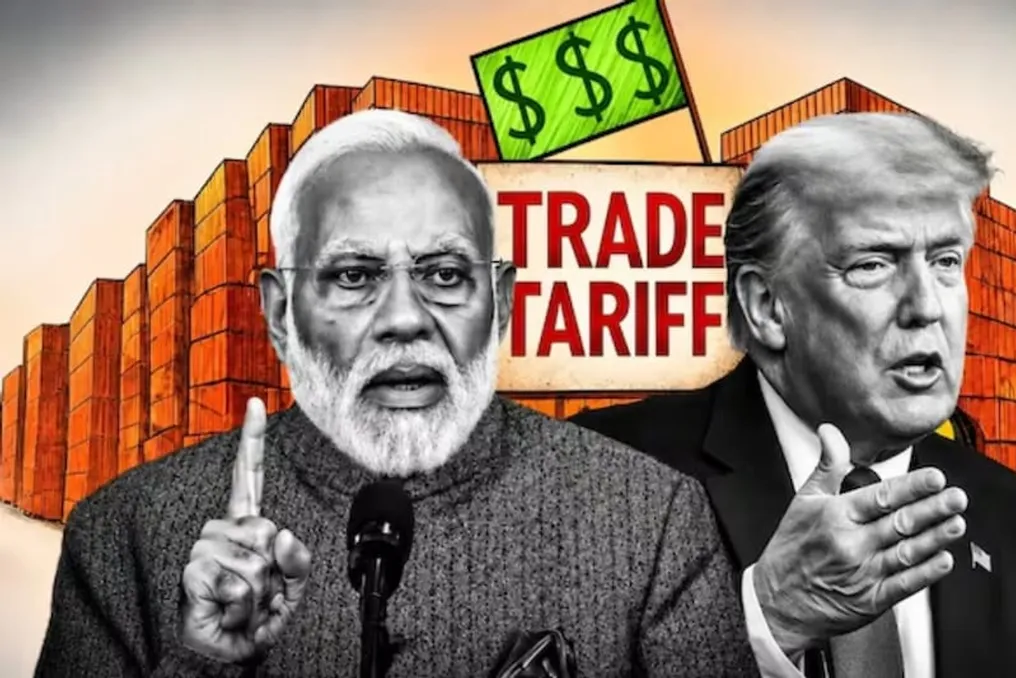
This response followed a proposal by the US Trade Representative (USTR) to impose a 25% tariff on imports from India. It was noted that if a trade agreement is reached between the two countries, this rate could be reduced to 17 percent. The Indian government stated that it is reviewing this notification and is ready for a swift conclusion of the agreement with the US.
The US initiated an investigation against India and several other countries under Section 301. The purpose of this investigation is to check for structural surplus capacity and production in the manufacturing sector of these countries. It was based on this investigation that the USTR issued a notification titled 'Notice of Determination and Request for Comments,' proposing a 25% tariff on Indian imports. This same notification stated that upon concluding a trade agreement between India and the US, this rate could be limited to 17 percent.
The Indian government drew attention to this USTR notification and reported that it is under review. By issuing a statement, the government completely rejected the American accusations, stating that there is no overproduction in any sectors in India. Furthermore, the government reminded that the Ministry of Commerce had previously stated clearly in response to the investigation notice that there was no structural surplus capacity in India.
India also stressed that it actively participated in the entire investigation process. The official position of the government is that all trade problems must be resolved within the framework of negotiations for a bilateral trade agreement between India and the US. The government expressed readiness to work jointly with the US for the speedy conclusion of a bilateral trade agreement between India and the US, mentioning the framework announced on February 2, 2026, and the joint statement released on February 7.
Currently, everyone's attention is focused on the direction in which negotiations between the two countries will develop. At present, India is focusing on finding a solution through dialogue.
The situation began on April 2, 2025, when President Donald Trump announced the imposition of high tariffs on several countries, calling the day the 'Day of Liberation.' A 26% tariff was imposed on India, which included a 10% base rate and a 16% retaliatory tariff. Prior to this, Indian goods were subject only to the MFN (Most Favored Nation) tariff, which is the standard import duty for goods from all WTO members.
On April 9, the US postponed the implementation of the 16% retaliatory tariff for 90 days, until July 9, 2025, but the 10% base duty remained in effect. On July 31, the US announced a 25% duty, which was set to take effect on August 7, 2025, at 9:30 AM Indian time. Thus, from April 2 to August 6, Indian goods were subject only to an additional charge of 10 percent.
On August 6, the US announced the introduction of an additional 25% tariff on India as punishment for purchasing oil from Russia. After this, the total tariff on Indian goods, excluding the list of exemptions, reached 50 percent.
On February 2, 2026, a trade deal was reached between India and the US. According to this agreement, the US planned to reduce the retaliatory tariff from the current 25 percent to 18 percent. However, this 18% duty was never applied. On February 6, both countries published a joint statement announcing the achievement of an agreement on the initial stage of the bilateral trade agreement. On February 7, the US withdrew the 25% additional tariff imposed for purchasing Russian oil.
On February 20, the US Supreme Court overturned the system of retaliatory tariffs. Since that day, only the MFN tariff has applied to Indian goods again. On February 24, the US introduced a new global tariff of 10%, which also included India. This tariff provided an additional duty of 10% on top of the MFN tariff and was valid only for 150 days. This global tariff expired on July 24. At the same time, the US introduced a 10% tariff under Section 301, citing concerns about 'forced labor.' Thus, the name and legal basis changed, but the impact on most exports remained the same: MFN tariff plus 10 percent.
On September 18, President Trump signed the 'Russia and Iran Sanctions Act,' which gave him the authority to impose tariffs of up to 100 percent on countries purchasing Russian oil and gas, including China and India. On October 17, Trump revoked these taxes, citing US national interests.