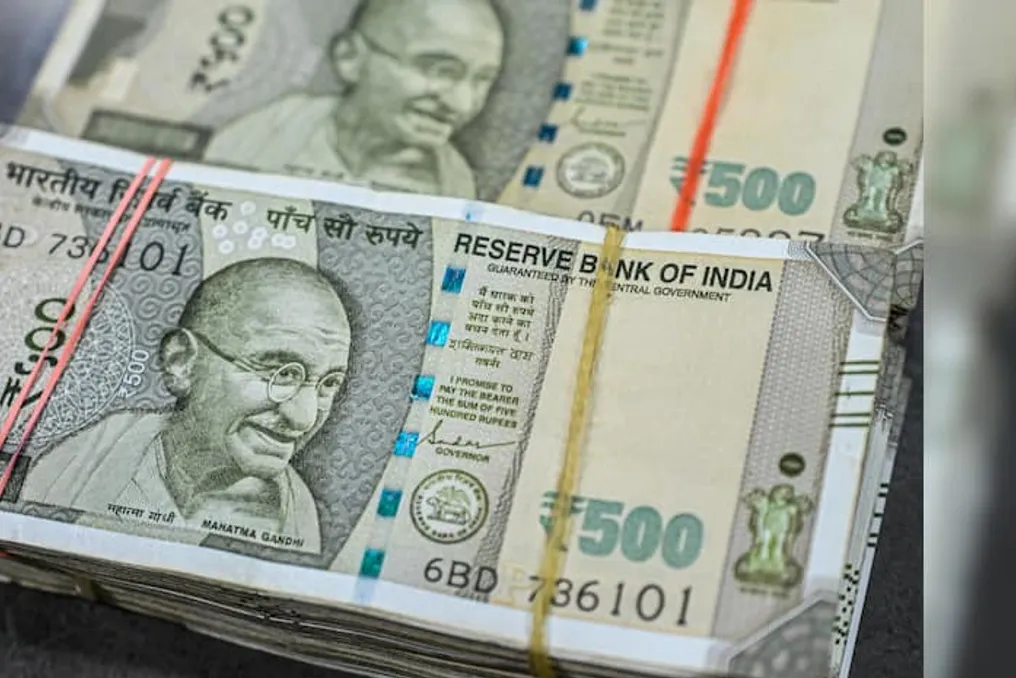
The rupee continued its rise on Wednesday, increasing by 0.73 percent and closing near the nine-month high of $92.24 per dollar. This is the strongest level since March 12, compared to the figure of $92.91 on Friday.
The currency was the best performer in Asia this month. The growth was driven by a sharp recovery in the domestic stock market, as investors began reorienting towards markets with less dependence on artificial intelligence trading amid growing concerns about asset valuations.
The currency was supported by a steady inflow of foreign portfolio investments, falling crude oil prices, and an improved supply of dollars in the domestic market. Only in November did foreign investors channel nearly $14 billion into Indian stocks, following a significant outflow earlier this year, helping the rupee outperform regional competitors.
This recovery marks a sharp turnaround after pressure on the currency at the beginning of this year, when the Reserve Bank of India (RBI) announced emergency measures in early October to support the rupee. The Indian currency strengthened by almost 5 percent since the central bank's announcement of these measures, recovering from a level of 96.79 against the dollar on October 8 to 92.24 on November 25.
The currency also benefited from recent central bank foreign exchange measures aimed at limiting speculative positions, as well as increased dollar sales by exporters.
Currently, in the current fiscal year, the rupee has risen by 2.79 percent against the dollar, although in the current calendar year it remains down by 2.56 percent.
Dilip Parmar, Senior Research Analyst at HDFC Securities, noted that 'the short-term outlook for the rupee remains bearish for the dollar, and the rupee is likely to move towards the 92 mark per dollar, while $92.85 per dollar serves as immediate resistance.'
On Wednesday, the Indian currency showed the best performance in Asia, rising by 0.73 percent against the dollar. The Philippine peso rose by 0.19 percent, and the Hong Kong dollar by 0.05 percent, while most other Asian currencies weakened against the US dollar.
In the bond market, the yield on the benchmark 10-year government security fell by 3 basis points to 7.16 percent, and the yield on five-year government bonds dropped by a similar amount to 7 percent.
Market participants expect the rupee to maintain positive momentum in the near future, as further capital inflows and lower crude oil prices are likely to provide support. However, dollar purchases by the RBI could limit the pace of growth. A reversal in capital flows, rising crude oil prices, or a resurgence of the dollar could put pressure on the national currency.
Kunal Sodhani, Head of Treasury at Shinhan Bank, stated: 'Short-term prospects remain positive for the rupee, although consolidation around current levels cannot be ruled out.'