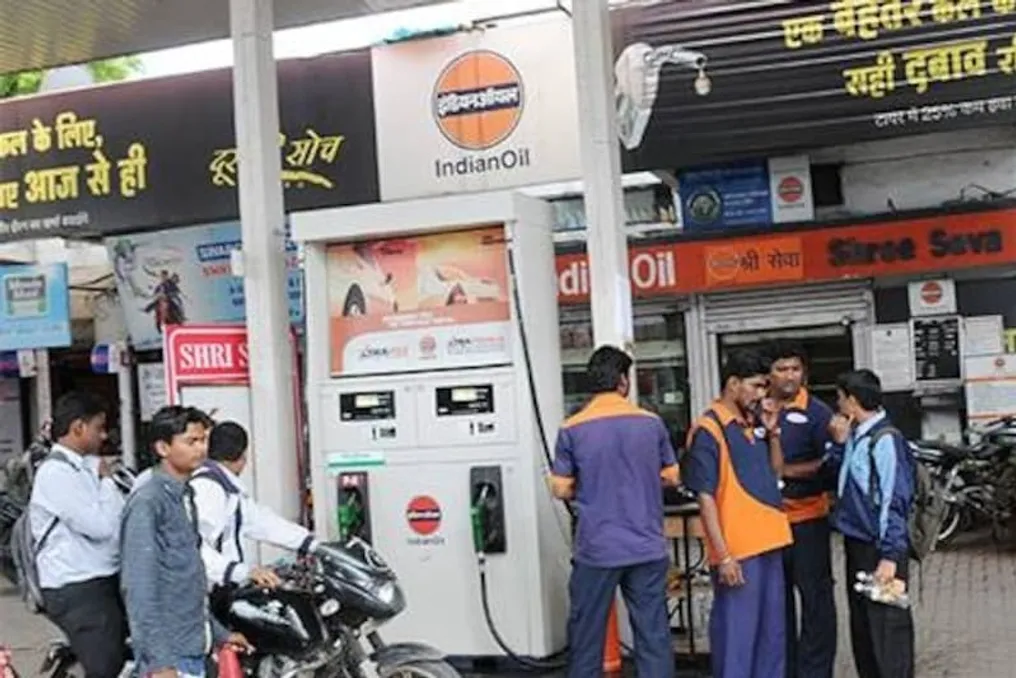
LPG distributors are demanding an increase in commissions for 14.2 kg domestic cylinders from the current 73 rupees to the level of 120–150 rupees. Gas station dealers have also requested an additional margin of 1.50 rupees per liter of gasoline and 2.50 rupees per liter of diesel fuel. Amid rising operating costs, dealers have appealed to the Ministry of Oil and state oil companies, demanding a review of commission rates.
Consumers are closely monitoring prices for gas cylinders and fuel, and now that the dealers responsible for their supply have activated their demands for increased commissions. LPG distributors want to raise their commission for a 14.2 kg domestic cylinder from the current 73.08 rupees to 120–150 rupees. Furthermore, gas station operators are pushing for a 30–40 percent increase in their margin.
According to industry sources, dealers have presented their demands to the Ministry of Oil and Natural Gas, as well as to the state oil companies (OMCs). They argue that due to the constant rise in costs for staff salaries, electricity, maintenance, and other operational expenses, conducting business at the current commission levels is becoming difficult.
The dealers have demanded changes to commissions for both LPG and gasoline-diesel. LPG distributors insist on raising the commission for a 14.2 kg LPG domestic cylinder from 73.08 rupees to 120–150 rupees, which would be an increase of about 47 rupees if proposed at 120 rupees and about 77 rupees if proposed at 150 rupees. As for gasoline and diesel dealers, they are seeking an overall commission increase of 30–40 percent, which includes a request for an additional margin of 1.50 rupees per liter of gasoline and 2.50 rupees per liter of diesel fuel.
Dealers point out that the operating costs for gas stations and LPG agencies have significantly increased over the past few years. This has been driven by rising employee wages, increased electricity costs, maintenance, and other necessary services. Gas station operators also have to provide free services to customers, such as tire inflation. In the LPG sector, distributors' business and margins are also under pressure due to mandatory e-KYC procedures and the expansion of PNG connections. Industry sources believe that the commission has not been adequately adjusted compared to the rise in costs, prompting dealers to demand a margin increase from the government and oil companies.
According to official data from the Petroleum Planning and Analysis Cell (PPAC), the last revision of the commission for domestic LPG distributors took place on October 4, 2023. At that time, the commission for a 14.2 kg cylinder was increased from 64.84 rupees to 73.08 rupees, and for a 5 kg cylinder—from 32.42 rupees to 36.54 rupees. The last adjustment of the margin for gasoline and diesel dealers occurred on December 1, 2024, although changes were also made on October 30, 2024.
If the dealers' demands are met, it will lead to increased additional costs for oil companies in the form of commissions. However, it is not yet determined whether this burden will be directly passed on to consumers. The government and oil companies need to make a separate decision on this matter. Therefore, an increase in commission itself does not automatically mean a price hike for gasoline, diesel, or domestic gas. Currently, the Ministry of Oil or state oil companies have not made any official statements regarding commission increases and subsequent price rises for gasoline, diesel, or domestic gas cylinders.