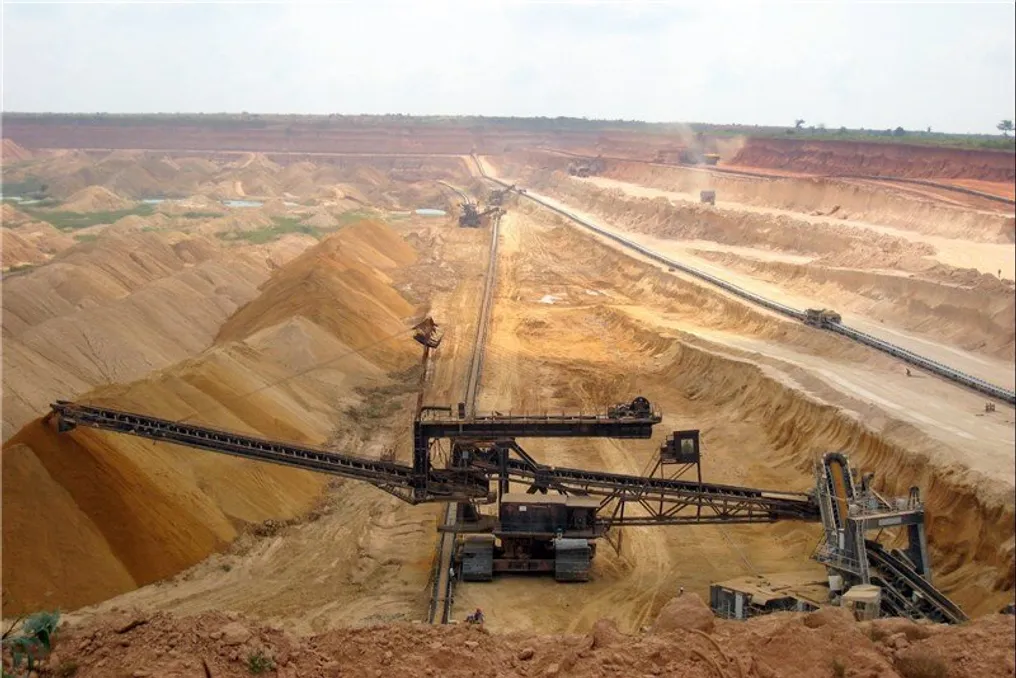
Exploratory mining works of 5000 meters are planned in four Iranian provinces
Read more
Tehran Times
www.tehrantimes.com

Exploratory mining works of 5000 meters are planned in four Iranian provinces

The total length of exploratory mining works planned in four Iranian provinces is 5000 meters. The goal of these works is to discover new mineral deposits, according to the head of the Investment Insurance Fund for Mineral Activities, with support from the fund.

Ali Hatibi stated that four exploration projects in the provinces of Kerman, Kermanshah, Semnan, and South Khorasan have entered a new phase of geological research and exploratory operations thanks to the fund's support.

These projects are aimed at determining and assessing mineral reserves, completing geological surveys, and preparing for further exploration. The areas under study cover metallic ores, copper, natural bitumen, and coal, spanning a total area of approximately 25,368.5 square kilometers.

According to Hatibi, the work includes drilling core samples to a depth of up to 1500 meters over a distance of 5000 meters, as well as trenching work amounting to 800 cubic meters. Furthermore, geological mapping, sampling, chemical analysis, and additional studies will be conducted to assess geological structures and identify signs of mineralization.

Hatibi noted that the exploration zones are located in less developed parts of the four provinces. He added that the discovery of new reserves could contribute to unlocking economic potential, expanding mining activities, and creating opportunities for regional development.

He characterized the exploration as the first stage in the value chain of the mining industry and one of the riskiest investment stages, citing high costs, specialized operations, and geological uncertainty. Insurance and financial support can help mitigate some of these risks.

Hatibi emphasized that the studies will help improve geological data, reduce uncertainty regarding mineral reserves, and provide a technical basis for decisions on subsequent mine development. The fund aims to support relevant projects, facilitate financing, and reduce investment risks to expand the country's extraction potential and ensure systematic development of mineral resources.
Similar stories

Iran plans to commission over 1000 km of road projects by March 2027
Read more
www.tehrantimes.com

Iran plans to commission over 1000 km of road projects by March 2027

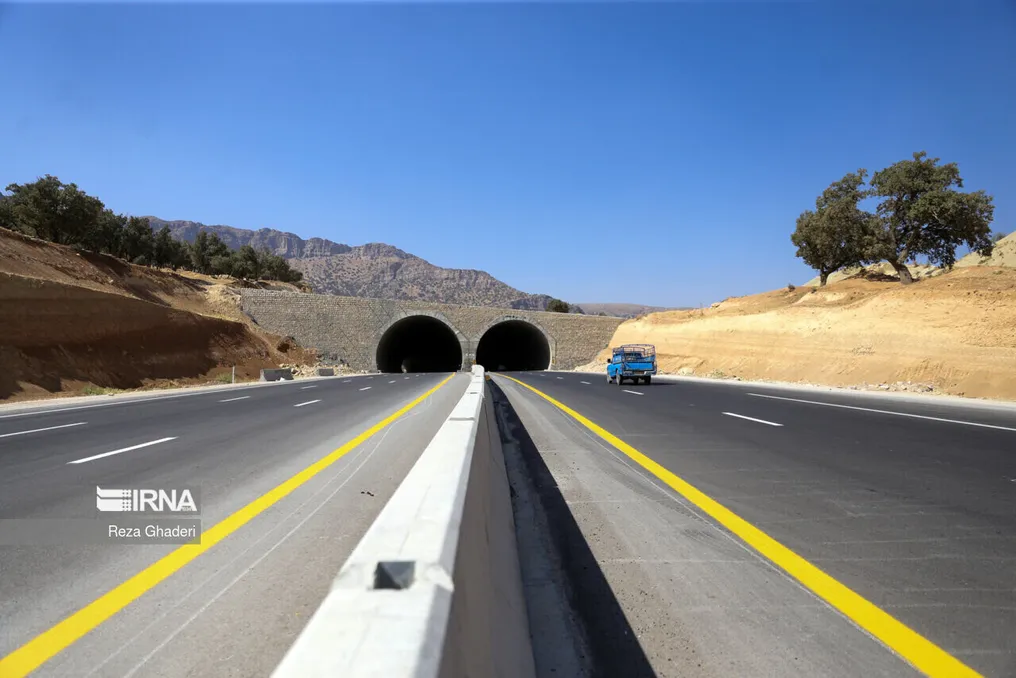
According to a statement from the official representative of the Company for Construction and Development of Transport Infrastructure, Iran intends to put into operation more than a thousand kilometers of road construction projects by the end of the current Iranian year, which is March 2027.

Mohammadreza Khodakhozadeh, the acting deputy for planning in this company, told Tasnim News Agency that it was initially planned to complete and open over 850 kilometers of road works in the current year.

However, considering the pace of contractors' work, he noted that the total length of projects expected to be opened by the end of the year may exceed 1000 kilometers.

Khodakhozadeh added that currently, about 6000–7000 kilometers of road projects are under construction across the country, expressing hope for the completion of 850 to over 1000 kilometers this year. He also specified that approximately 80 percent of these projects are located along transport corridors.

Minister emphasized Iran's application to include 9000-year-old archaeological site in UNESCO World Heritage List
Read more
www.tehrantimes.com

Minister emphasized Iran's application to include 9000-year-old archaeological site in UNESCO World Heritage List

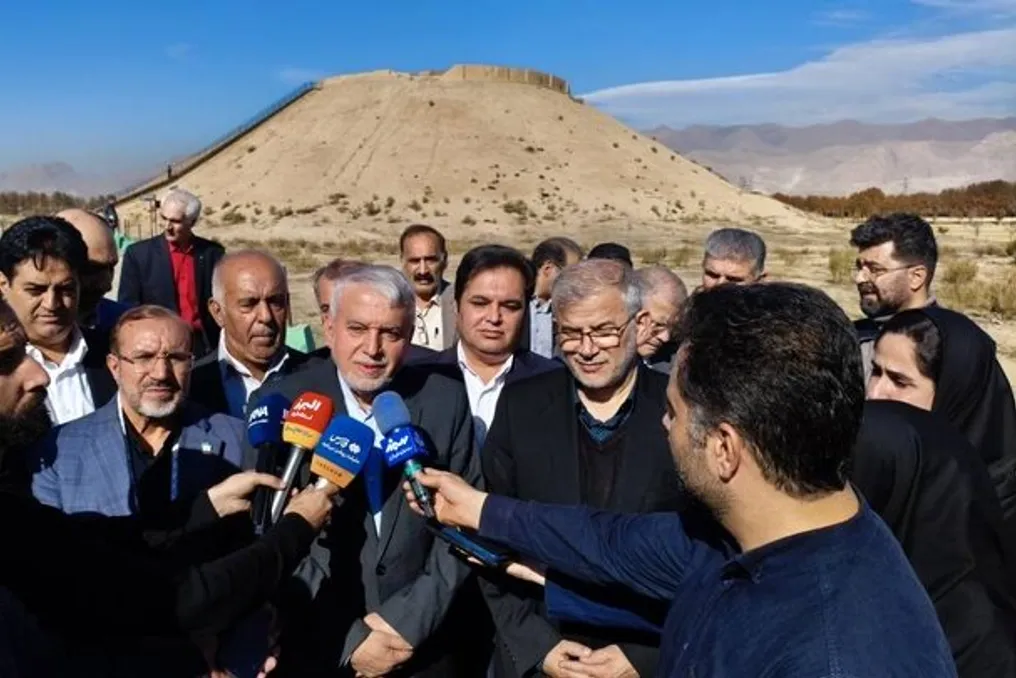
The Minister of Cultural Heritage, Tourism and Handicrafts, Seyyed Reza Salehi-Amiri, stated on Tuesday that Iran plans to create a special working group to prepare the Tepe Ozbaki archaeological site in Alborz province for a possible nomination to the UNESCO World Heritage List.

Speaking during a visit to the site in the Nazarabad district, west of Tehran, the minister noted that Tepe Ozbaki has the potential to become one of Iran's outstanding nominations to the World Heritage list due to its archaeological findings and significance for understanding the country's ancient civilizations.

He announced that an organized working group, involving national and provincial authorities, archaeological researchers, and other interested parties, will be formed to coordinate the scientific, environmental protection, and administrative preparatory work required for the application.

Salehi-Amiri told reporters that 'Tepe Ozbaki is one of the important centers of civilization in the history of Iran,' adding that eight seasons of excavations at the site have provided valuable evidence of its historical and cultural significance.

Archaeological research has revealed historical layers dating back to the Median period, and evidence related to the Achaemenid period has also been discovered.

Nevertheless, the minister stressed that obtaining World Heritage status will require conducting additional research, conservation measures, and completing all necessary legal and technical procedures before the site can be submitted to UNESCO.

Tepe Ozbaki, located near Nazarabad, approximately 80 kilometers west of Tehran, is an important prehistoric archaeological monument. It is believed that its ruined settlements date back approximately 9000 years, and the excavated remains cover several millennia of human habitation, from the 7th millennium BCE to the 1st millennium BCE.

Archaeological discoveries at the site also indicate connections with other ancient centers in Iran. According to senior Iranian archaeologist Yousef Majidzadeh, who supervised excavations at Tepe Ozbaki and other archaeological sites, the findings, including tablets, statuettes, and characteristic pottery, testify to possible trade links between this area and Susa in the southwestern province of Khuzestan.

Salehi-Amiri also highlighted the role of private donations in protecting the country's cultural heritage, mentioning a benefactor who donated the entire archaeological site to the people of Iran without demanding financial compensation. He called for greater public recognition of such initiatives, stating that highlighting the contribution of individuals to heritage preservation can stimulate broader public participation in protecting historical sites.

Furthermore, the minister described Alborz province as an important center for tourism and handicrafts, asserting that its historical and archaeological resources deserve more attention alongside its better-known natural and industrial attractions. He noted that provincial authorities and the Ministry of Cultural Heritage will cooperate to strengthen the protection and promotion of the province's historical sites.

Popular