Iran plans to commission over 1000 km of road projects by March 2027
Read more
Tehran Times
www.tehrantimes.com

Iran plans to commission over 1000 km of road projects by March 2027

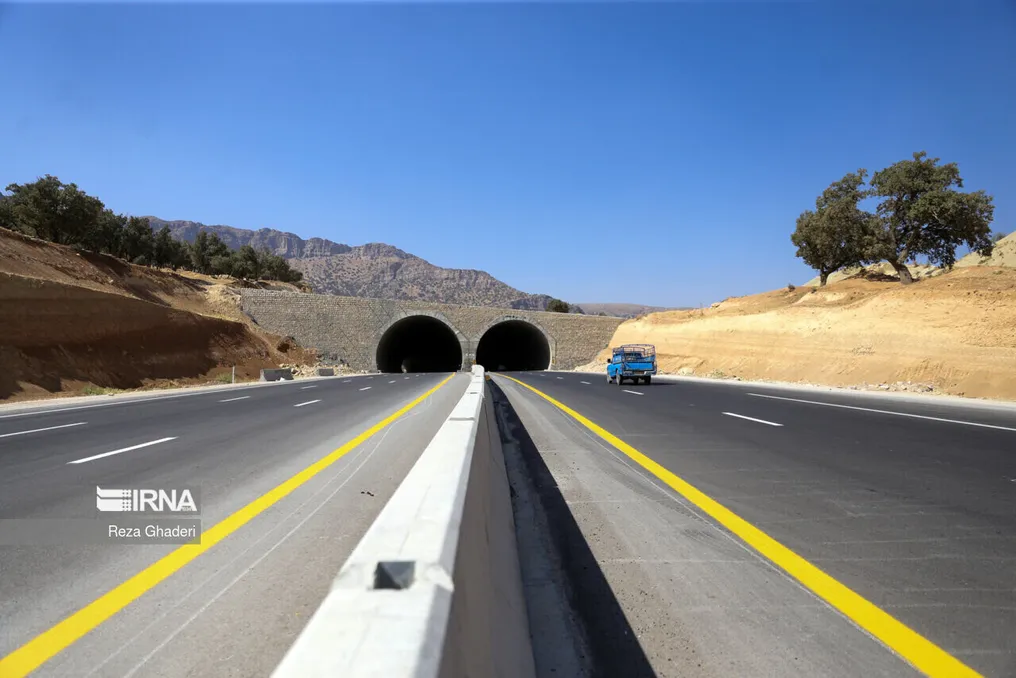
According to a statement from the official representative of the Company for Construction and Development of Transport Infrastructure, Iran intends to put into operation more than a thousand kilometers of road construction projects by the end of the current Iranian year, which is March 2027.

Mohammadreza Khodakhozadeh, the acting deputy for planning in this company, told Tasnim News Agency that it was initially planned to complete and open over 850 kilometers of road works in the current year.

However, considering the pace of contractors' work, he noted that the total length of projects expected to be opened by the end of the year may exceed 1000 kilometers.

Khodakhozadeh added that currently, about 6000–7000 kilometers of road projects are under construction across the country, expressing hope for the completion of 850 to over 1000 kilometers this year. He also specified that approximately 80 percent of these projects are located along transport corridors.

Similar stories

Exploratory mining works of 5000 meters are planned in four Iranian provinces
Read more
www.tehrantimes.com

Exploratory mining works of 5000 meters are planned in four Iranian provinces

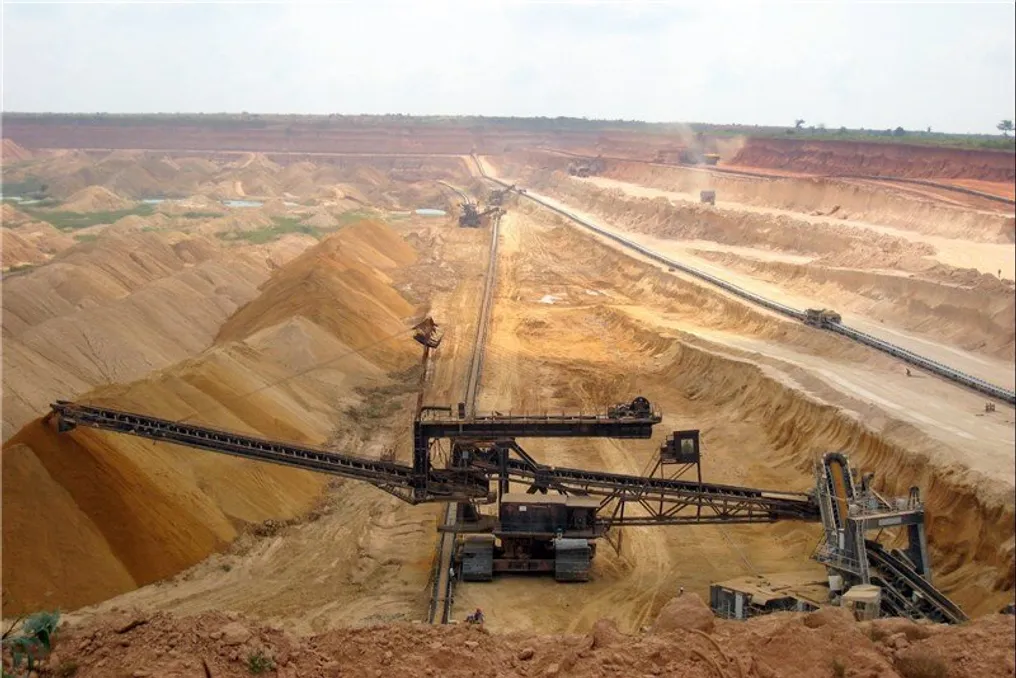
The total length of exploratory mining works planned in four Iranian provinces is 5000 meters. The goal of these works is to discover new mineral deposits, according to the head of the Investment Insurance Fund for Mineral Activities, with support from the fund.

Ali Hatibi stated that four exploration projects in the provinces of Kerman, Kermanshah, Semnan, and South Khorasan have entered a new phase of geological research and exploratory operations thanks to the fund's support.

These projects are aimed at determining and assessing mineral reserves, completing geological surveys, and preparing for further exploration. The areas under study cover metallic ores, copper, natural bitumen, and coal, spanning a total area of approximately 25,368.5 square kilometers.

According to Hatibi, the work includes drilling core samples to a depth of up to 1500 meters over a distance of 5000 meters, as well as trenching work amounting to 800 cubic meters. Furthermore, geological mapping, sampling, chemical analysis, and additional studies will be conducted to assess geological structures and identify signs of mineralization.

Hatibi noted that the exploration zones are located in less developed parts of the four provinces. He added that the discovery of new reserves could contribute to unlocking economic potential, expanding mining activities, and creating opportunities for regional development.

He characterized the exploration as the first stage in the value chain of the mining industry and one of the riskiest investment stages, citing high costs, specialized operations, and geological uncertainty. Insurance and financial support can help mitigate some of these risks.

Hatibi emphasized that the studies will help improve geological data, reduce uncertainty regarding mineral reserves, and provide a technical basis for decisions on subsequent mine development. The fund aims to support relevant projects, facilitate financing, and reduce investment risks to expand the country's extraction potential and ensure systematic development of mineral resources.

Iran is building 35 new satellites as part of accelerating its national space program
Read more
www.tehrantimes.com

Iran is building 35 new satellites as part of accelerating its national space program

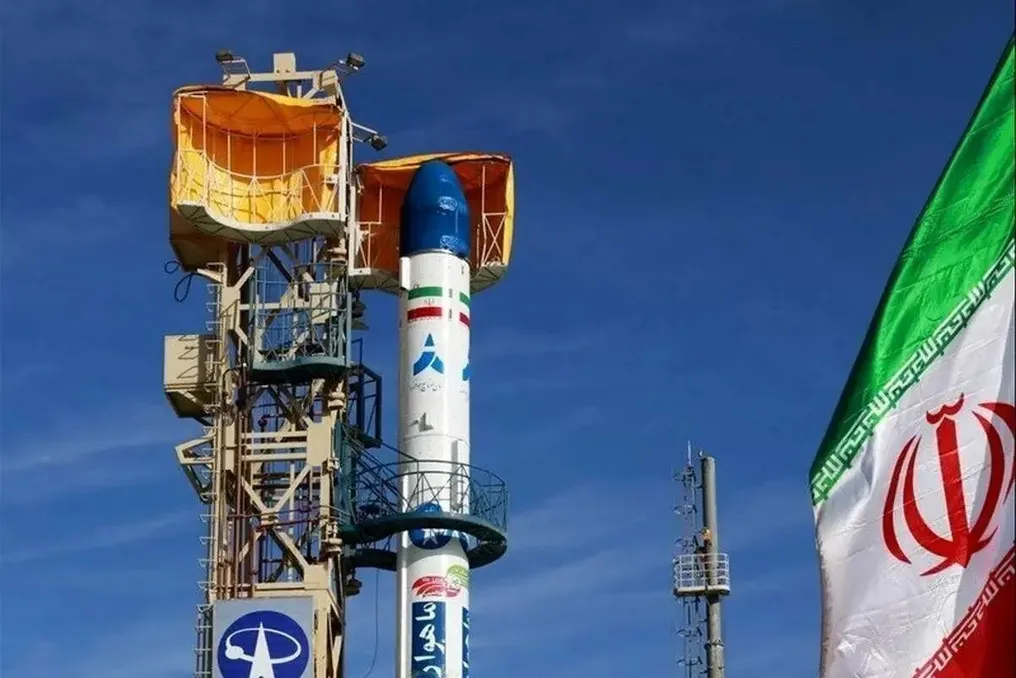
The Iranian Space Agency (ISA) announced that the country is currently producing over 35 new satellites, including a constellation of 24 communication satellites. This is part of Iran's efforts to expand its own space capabilities—from production and launch to providing data-based services.

Hassan Salarieh, head of ISA and deputy minister of communications and information technology, made these statements on Sunday during the third Omid Media Cup in Tehran, according to IRNA.

According to Salarieh, the three models of the Shahid Soleimani constellation—the country's first large low Earth orbit (LEO) communication system, initially consisting of 24 satellites—will be presented during the Ten-Day Fajr ceremonies in February, marking the anniversary of the Islamic Revolution.

A total of 35 satellites are under development across the country. These spacecraft cover a wide range of tasks: from high-resolution imaging and radar systems to telecommunication satellites. They are being created by state institutions, universities, and private companies under the general guidance, policy development, and regulation of the ISA within the Ministry of Communications and Information Technology.

In addition to the Shahid Soleimani system, satellites for one-meter or better resolution imaging and radar satellites are in production. Salarieh noted that radar satellites use radio technologies to image the Earth's surface regardless of weather conditions, cloud cover, snow, and other obstacles.

A central part of Salarieh's speech was the discussion of the practical application of these technologies, emphasizing that the space program is deeply connected to managing economic and environmental processes, and is not merely symbolic.

He stated that satellite imagery is one of the most important tools for mineral exploration and extraction assessment, as well as for monitoring the environment, detecting dust storm centers, and pollutants. Furthermore, they are used in meteorology to forecast weather for the coming days by assessing atmospheric conditions, cloud cover, and wind.

Another key application is the control of water resources and reserves, including snow cover in mountains, dams, and lakes. Salarieh explained that a satellite in a 500-kilometer orbit moves at a speed of about 7.5 kilometers per second, and no other vehicle can scan the Earth's surface and collect data so quickly, making visualization data a critical tool for land monitoring and management.

Besides sensor satellites, Salarieh highlighted the growing role of telecommunication satellites, especially in regions lacking ground infrastructure or where access is difficult. This applies to shipping, aviation, railways, remote areas, and use as a backup for terrestrial networks.

These satellites operate at different altitudes: from geostationary (GEO) satellites at an altitude of about 36,000 kilometers to large LEO constellations providing broadband access. He added that satellite communication, which is rapidly developing worldwide without the need for extensive ground infrastructure, is a key element of the digital economy.

Another pillar is navigation satellites, used for mapping and routing in aviation and shipping. This occurs against the backdrop of the rapid growth in the number of satellites in orbit and the continuous expansion of space assets by countries exploring space.

Iran, he said, has achieved significant progress not only in creating and launching satellites but also in utilizing the resulting data, transforming it into applied services. After receiving images and data, they are transferred to private and specialized remote sensing firms for processing into value-added reports intended for urban management, water supply, and mining industries.

Salarieh noted that more than 170–180 private companies specializing in satellite-based remote sensing are actively operating in Iran, many of which are capable of providing international-level services, indicating the growth and maturity of the country's space ecosystem.

Regarding access to space, Salarieh reported that the armed forces, including the Ministry of Defense and the Aerospace Force of the Islamic Revolutionary Guard Corps, are developing various launch vehicles and satellite transporters.

The Simorgh launch vehicle is capable of placing satellites weighing from 200 to 300 kilograms into low Earth orbit at an altitude of approximately 1,000 kilometers. Meanwhile, the Kayem solid-fuel rocket, developed by the IRGC Aerospace Force, can carry a payload of up to 100 kilograms to an altitude of about 500 kilometers.

Research and development are currently underway for more powerful carriers capable of launching multi-ton payloads into LEO and subsequently into GEO orbit at an altitude of 36,000 kilometers.

This announcement is a continuation of nearly two decades of domestic efforts. Iran became one of the few countries with its own orbital launch capability when it launched the Omid satellite aboard the Safir launch vehicle in February 2009, followed by the Rasad, Navid, and Fajr satellites.

In recent years, the program has accelerated in two directions. The civilian track, overseen by ISA and the Ministry of Defense, has led to the creation of the Simorgh, Zoldjan, and Saman transmission blocks, as well as satellites such as Pars-1, Chamran-1, and Hayyam—launched in cooperation with Russia in 2022—and the Soraya satellite placed at an altitude of 750 kilometers.

In parallel, the military track of the IRGC has placed the Noor-1, Noor-2, and Noor-3 observation satellites into orbit using the Kased and Kayem-100 solid-fuel rockets, providing Iran with independent intelligence and communication capabilities.

Salarieh emphasized that space is one of the most complex and risky industries in the world and serves as an indicator of a country's technological level. Out of approximately 200 countries in the world, only 10–11 can build launch vehicles, and Iran is among them; similarly, only about 20–30 countries can create operational satellites that remain in orbit and continuously provide data and images, a club Iran has also joined.
Uzbekneftegaz plans to produce 1.1 million tons of gasoline in 2026
Read more
uzdaily.uz

Uzbekneftegaz plans to produce 1.1 million tons of gasoline in 2026

According to the company's press service, Uzbekneftegaz intends to produce 1.1 million tons of gasoline in 2026. Furthermore, the company has formed reserves of 102,000 tons to meet the domestic market's needs during the winter period.

Since the beginning of the current year, the Bukhara refinery has produced 916,100 tons of gasoline. This figure corresponds to 101% of the planned volume and exceeds the output for the same period last year by 1%.

It is planned that 103,300 tons will be produced in November, which is higher than 87,200 tons in November 2025. It is expected that in December, production volume will reach 123,100 tons, compared to 90,000 tons the previous year.

These figures will lead to a total annual production of 1.1 million tons, which is 7% more than in 2025, when the company produced 1.0306 million tons of gasoline.

Currently, the plant produces an average of 3,200–3,400 tons of gasoline daily, whereas in 2025, the average daily output was about 2,800 tons.

To maintain stable supplies in winter, the plant and the company's fuel depots have accumulated joint reserves of 102,000 tons. This is 25,000 tons more than in the same period last year, when reserves were 77,000 tons. The company estimates that the existing reserves are sufficient to cover two months of consumption.

Uzbekneftegaz is also preparing for a possible increase in gasoline demand during cold weather. A potential temporary suspension of methane fueling stations in winter may lead to an increase in gasoline consumption.

In case of increased demand, the company is ready to increase the volume of gasoline offered for exchange trading to 8,000 tons per day, and up to 10,000 tons if demand increases further.

However, domestic supply to the market does not depend solely on Uzbekneftegaz. Private companies importing fuel from abroad provide a significant share of supplies. According to the company, imports of gasoline by private market participants have sharply decreased since June 2026.

In October, imports provided 5,500 tons of gasoline to the domestic market. Currently, Uzbekneftegaz offers 4,600 tons of fuel for exchange trading daily, including 4,300 tons of AI-92 gasoline. In 2025, the company's average daily offer was about 2,200 tons.

To meet seasonal demand and prevent possible shortages, the company is also taking steps to import finished gasoline through enterprises of its group.

Uzbekneftegaz separately commented on the impact of unconfirmed social media reports regarding possible restrictions on methane fueling stations in winter. The company noted that such publications heighten concerns among private gas station operators regarding potential fuel shortages.

As a result, some operators are trying to purchase additional volumes of gasoline in advance and build their own reserves. This increases the number of buyers and demand in exchange trading, which may put upward pressure on prices.

Meanwhile, the starting price of gasoline offered by Uzbekneftegaz on the exchange remained unchanged since April—14 million sums per ton, despite daily fluctuations in global oil prices.

The company urged market observers to consider not only production volumes and existing reserves when assessing price trends, but also buyer activity, seasonal expectations, and the influence of social media messages on demand.

Uzbekneftegaz stated that it is taking necessary measures within its competence to ensure uninterrupted supply of quality gasoline to the population during the winter period.

Popular