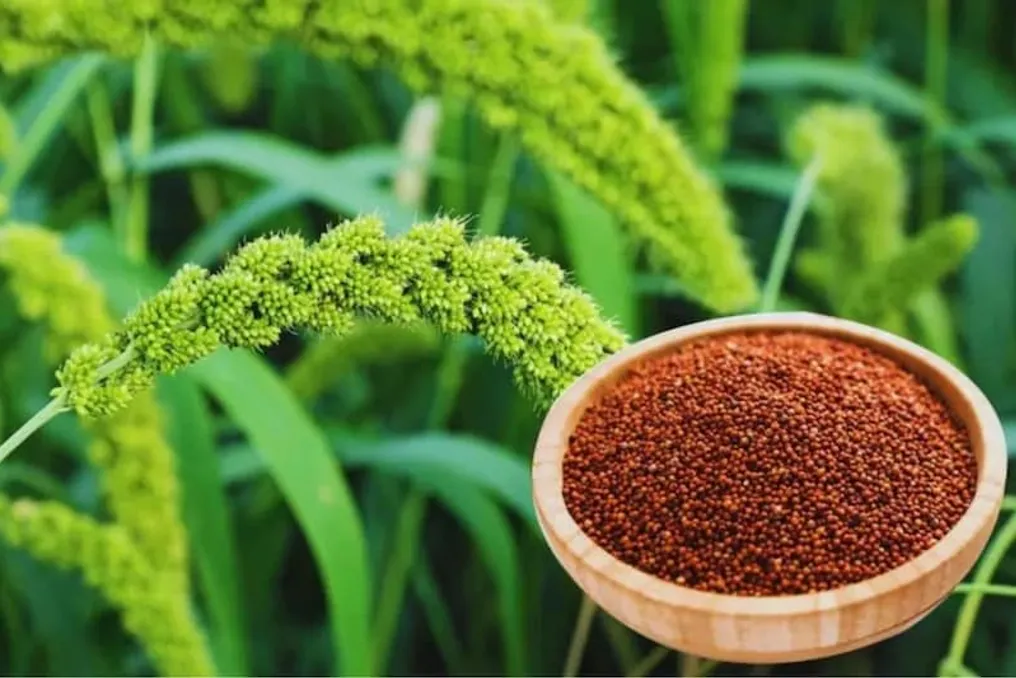
In Madhya Pradesh, the cultivation of Shrianna, or millet, is becoming a new source of income for farmers, especially in tribal areas. Efforts to promote the production of kodo, kutki, and saama are beginning to yield results, with the export of these millet varieties estimated at around 550 million rupees over the last three years. Demand for these crops is growing in the UAE, the US, and European countries.
The state government is working on a strategy to support organic farming and Shrianna production under Chief Minister Mohan Yadav. The government's priority is not only to preserve traditional crops but also to increase the income of tribal farmers.
According to official data, in the financial year 2024-25, a total of 183 million rupees worth of kotki, kodo, and saama was exported from Madhya Pradesh. This amount included 49.30 million rupees of kotki, 126 million rupees of kodo, and 7.48 million rupees of saama.
In the financial year 2025-26, the export of these three millet varieties increased to 224.32 million rupees. During this period, the export of kotki amounted to 94.54 million rupees, kodo to 119 million rupees, and saama to 10.1 million rupees.
Information provided for the year 2026 indicates that the export of these crops reached 142.55 million rupees from the markets. This sum included 55.54 million rupees of kotki, 78.86 million rupees of kodo, and 8.14 million rupees of saama.
To ensure the economic well-being of farmers from tribal areas, the state government has launched a program to incentivize Shrianna production called Rani Durgavati Shrianna Producten Promotion Yojana. Under this program, Shrianna is being procured for the first time in 16 districts.
These districts include Jabalpur, Katni, Mandla, Dindori, Chhindwara, Shahdol, Anuppur, Umaria, Riw, Mauganj, Satna, Maihar, Balaghat, Seoni, Sidhi, and Singaul.
As per the program, farmers are paid an incentive of 1000 rupees per quintal of kodo and kutki. More than 15 thousand farmers have registered to participate, and the total area of their registered land is about 21 thousand hectares.
The government has also increased the procurement prices for kodo and kutki. The price of kutki was increased from 3500 to 3600 rupees per quintal, and the price of kodo from 2500 to 2600 rupees per quintal.
It is planned to procure 32,500 metric tons of millet this year, compared to about 3000 metric tons purchased last year.
The cultivation of kodo and kutki is traditionally practiced in the tribal areas of Madhya Pradesh. The main producing regions are Mandla, Jabalpur, Dindori, Balaghat, Katni, Chhindwara, Pandurna, and Seoni.
According to the data presented, approximately 19 thousand hectares are cultivated in Dindori, 12,700 hectares in Umaria, 12 thousand hectares in Mandla, 10 thousand hectares in Shahdol, 7,500 hectares in Jabalpur, and 6,500 hectares in Katni.
The state government, in collaboration with agricultural experts, is working on a plan to conserve and increase the production of these traditional crops.
Information has been announced regarding the GI tagging for kutki from Sitahi and kutki from Nagdaman in Madhya Pradesh. Sitahi kutki is a local short-duration millet variety that matures in about 60 days.
This variety is considered beneficial for rain-fed areas and late sowing conditions. Due to its ability to withstand drought, water scarcity, and some major pests and diseases, it can be advantageous for farmers.
Thanks to its average height and strong stem, the problem of crop lodging is also reduced. It can be grown even on hilly, uneven, and poor soil.
It is reported that the cultivation area of Sitahi kutki in Dindori has increased to 10,395 hectares, with a stable yield of 10 to 11 quintals per hectare. This is expected to strengthen the livelihoods and food security of Baiga and Gond tribal farmers.
Nagdaman kutki, grown in Dindori, is also known for its local identity and nutritional properties. Jawaharlal Nehru Agricultural University in Jabalpur is preparing to establish Sitahi kutki as a national brand, which could open up new market opportunities for farmers.
The use of Shrianna is not limited to increasing farmers' incomes. In the Shiypur area, millet-based dishes are being promoted to combat malnutrition among children from the Saharia tribe.
Staff from Anganwadi workers and personnel of the Integrated Child Development Programme have been trained on preparing nutritious millet dishes and have been provided with information about its nutritional qualities.
In the district, about 130 acres of land are used for cultivating kodo and kutki, involving about 200 farmers. According to official information, this initiative has led to improved nutrition for about 2000 children.
In the Samnapur block of Dindori district, women farmers have been involved in the production of kodo and kutki. About 1250 women farmers from 32 villages are participating in this agriculture. Each female farmer has an average of two and a half...