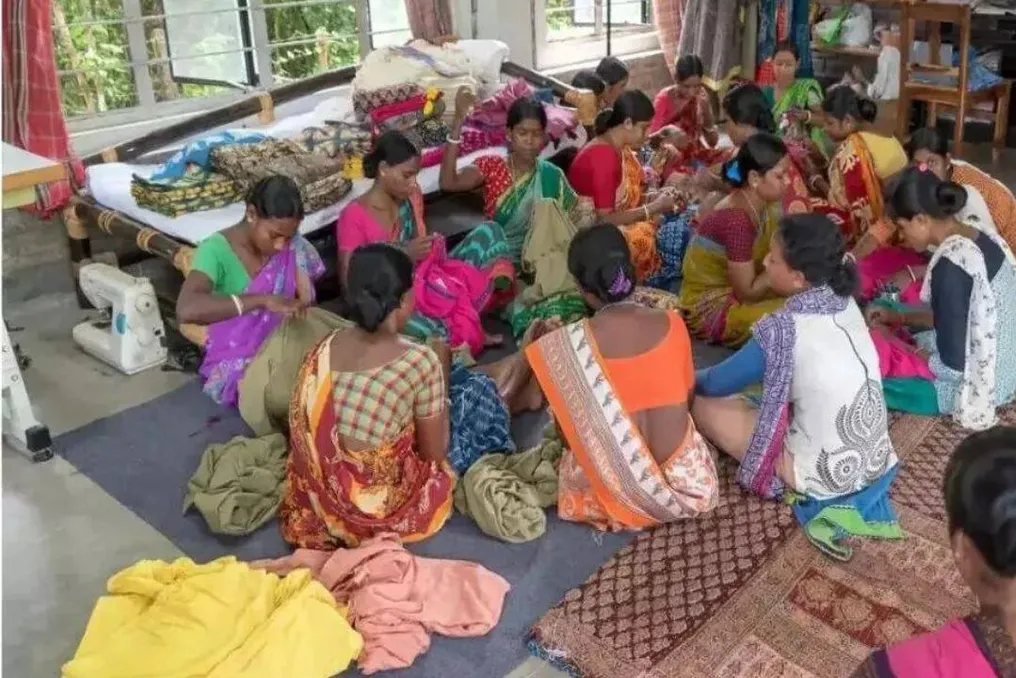
Government sets 50% registration target for women entrepreneurs in the SME sector
Read more
The times of India
timesofindia.indiatimes.com

Government sets 50% registration target for women entrepreneurs in the SME sector

Union Minister of MSMEs, Jitan Ram Manjhi, stated on Wednesday that the government intends to increase the share of female registrations on Udyam platforms to 50%, raising it from the current 37.6%.

He emphasized the need to ensure broader participation in the growth of the micro, small, and medium enterprise (MSME) sector.

Speaking at the annual FICCI-CMSME 2026 summit, Manjhi noted the critical role of MSMEs in India's economic growth, as they contribute 31.1% to the country's GDP, 35.4% to industrial output, and 48.58% to exports, while also fostering job creation and entrepreneurship, according to PTI agency.

He stressed the necessity of creating more opportunities for women entrepreneurs, young innovators, artisans, startups, and enterprises from underrepresented communities, especially those belonging to listed Castes and tribes.

He stated, 'Women already own 37.6 percent of businesses registered on Udyam platforms, and now we must strive to bring this share up to 50 percent.'

According to the Ministry of MSMEs, as of October 30, 2026, the total number of registrations on the Udyam Registration Portal and Udyam Assist Platform exceeded 100 million. Women-led enterprises accounted for 37.8% of the total, or 3.76 crore registrations.

Manjhi added that the next phase of growth should focus on helping enterprises scale from micro to small and medium businesses so that they can ultimately compete in national and global markets. He identified three key priorities: strengthening global competitiveness and exports, improving access to capital for growth, and accelerating the adoption of technology and digital transformation.

Highlighting nine free trade agreements signed by India over the last six years, Manjhi mentioned that the agreement between India and the UK allows almost 99% of Indian exports to be imported into the UK duty-free, and the EFTA agreement provides tariff concessions covering 99.6% of Indian exports. However, he warned that improved market access alone does not guarantee success.

MSME Secretary Bharat Khehra reported that the government plans to expand business support in key areas, including finance, technology, marketing, and skill development, to help them scale and adopt advanced technologies.

He also emphasized the importance of strengthening equity financing for MSMEs. He mentioned that the Self-Reliant India Fund, launched with a capital of ₹10,000 crore, has attracted ₹48,000 crore in investments from private venture funds.

The government has also provided an additional ₹2,000 crore for micro-enterprises and launched a separate MSME Growth Fund worth ₹10,000 crore. Khehra identified defense industry, electronics, semiconductor manufacturing, pharmaceuticals, textiles, and engineering as key growth sectors for MSMEs, urging large companies to view small businesses as partners in co-development rather than just suppliers. He also noted that larger enterprises should assist smaller firms in meeting quality standards and integrating into their supply chains.
Similar stories

Changes Continue in the Role of Women in Agra: They Are Taking Positions in Various Business and Work Sectors
Read more
www.aajtak.in

Changes Continue in the Role of Women in Agra: They Are Taking Positions in Various Business and Work Sectors

In the city of Agra, Uttar Pradesh state, the world of women is undergoing a transformation. In areas where the presence of women was previously minimal, they are now successfully forging their identity. Whether it concerns business or employment, women are now taking on responsibilities side-by-side with men. Notably, their initial hesitation and apprehension about work are gradually disappearing. These stories of women breaking free from domestic constraints and confidently moving forward demonstrate the new social changes occurring in Agra.

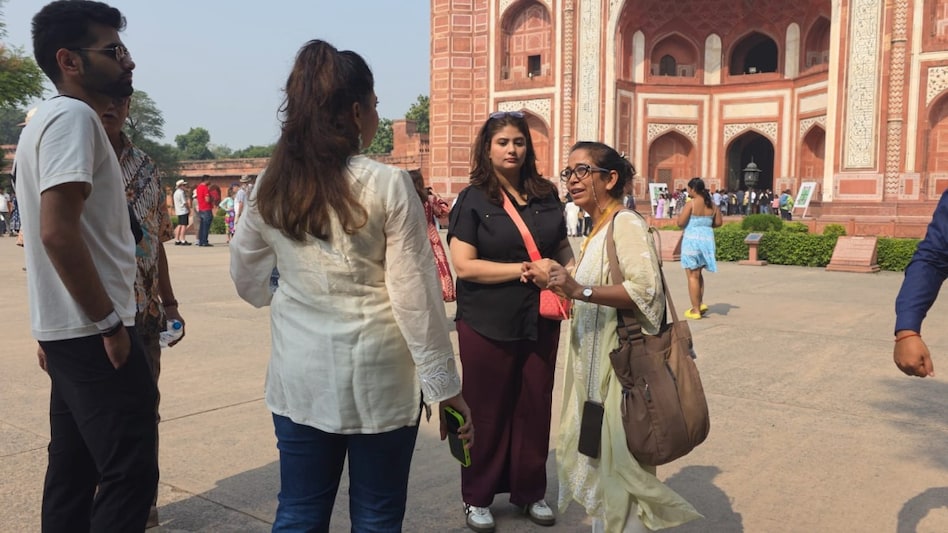
In the tourist center of Agra, it was rare to see female guides before, but now women's participation in this profession is growing. Women who introduce foreign tourists to the Taj Mahal and the city's historical heritage are carving out a distinct niche for themselves. Female guide Monica Sharma shared that initially, her relatives did not approve of this profession. Although family consent was later obtained, there were many restrictions regarding movement and work. However, circumstances changed over time, and the family's attitude also evolved. Today, she has complete freedom to work both at home and outside the home.

Women have also achieved significant success in the hotel industry through their hard work and determination. Rashmi Singh, who started her hotel business with only five rooms, is now established in this field. She notes that initially, people's attitude towards this business was not very positive, but the opinion of her family and society gradually changed. According to Rashmi, the number of rooms in her hotel has increased fourfold compared to the beginning. Despite numerous difficulties along the way, she no longer fears this profession; her experience shows that women can develop any business through confidence and hard work.

The PET industry, globally renowned in Agra, was long considered a male domain, but now women are also beginning to play a noticeable role here. Two sisters, Ananya and Tanya, took responsibility for the wholesale and retail PET production business after their grandfather's death, while their father manages the PET manufacturing factory. Ananya shares that it was initially unfamiliar for her to sit in a shop and interact with customers. Nevertheless, over time, she mastered the intricacies of the business and now runs the store's affairs with full confidence. The initiative of these two sisters shows that women are also finding their place in traditional business.

These changes are not limited to business; confidence among working and employed women has also increased. Ritika Jalaun and Chhavi, who work in pathology, note that they no longer feel the same fear when traveling from home to work. They recount that initially, their family members did not support their desire to work, but gradually the family's views changed. Today, their families are pleased with their work, and they are respected both at home and in society.

The stories of these women from Agra show that the changes involve not only increased employment opportunities but also a shift in public consciousness. On paths where women once hesitated, today they walk with full confidence. As the saying goes, where there is a will, there is a way. The women of Agra are proving this in practice.

Women Farmers Create Own Business in Jhalna with Organizational Support
Read more
thebetterindia.com

Women Farmers Create Own Business in Jhalna with Organizational Support

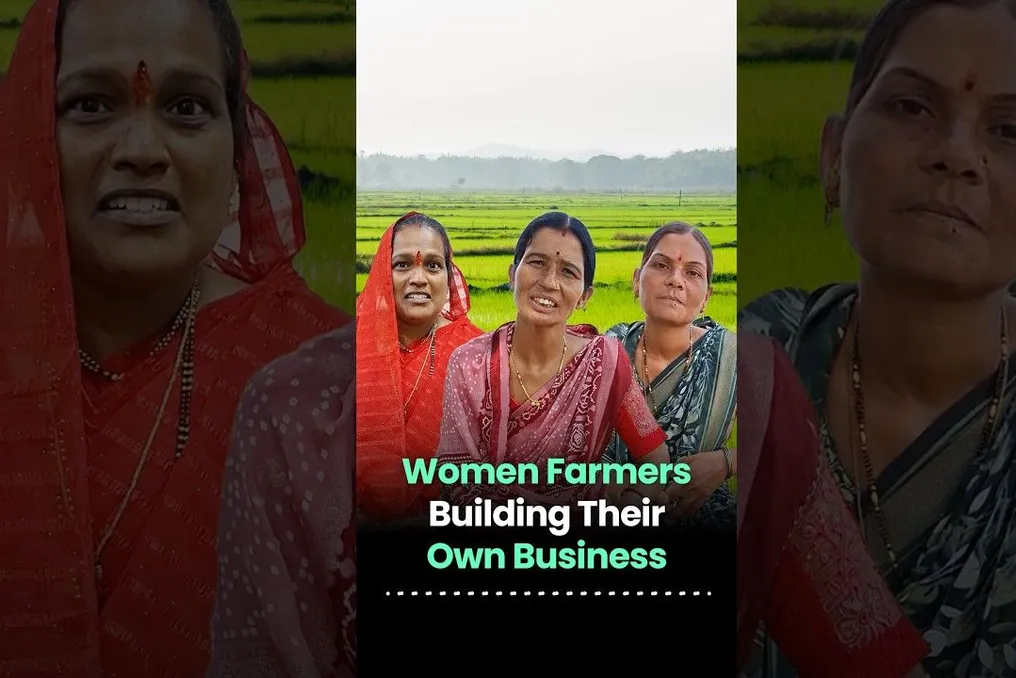
Initially, the group consisted of twenty women farmers; however, today they lead an enterprise comprising 803 members from 18 villages.

Thanks to the support of the Unnati program from L&T and the Watershed Organisation Trust, the Shiv Swarajya Farmer Production Company in Jhalna, managed by a board of directors composed exclusively of women, has been able to start collective marketing of its products and find new sources of income. Furthermore, the cooperative benefits from improved water availability for agricultural needs.

As a result of these efforts, a farmer-owned business has been created that generates an annual income of 68 lakh rupees, with the leadership held by women farmers.

Popular