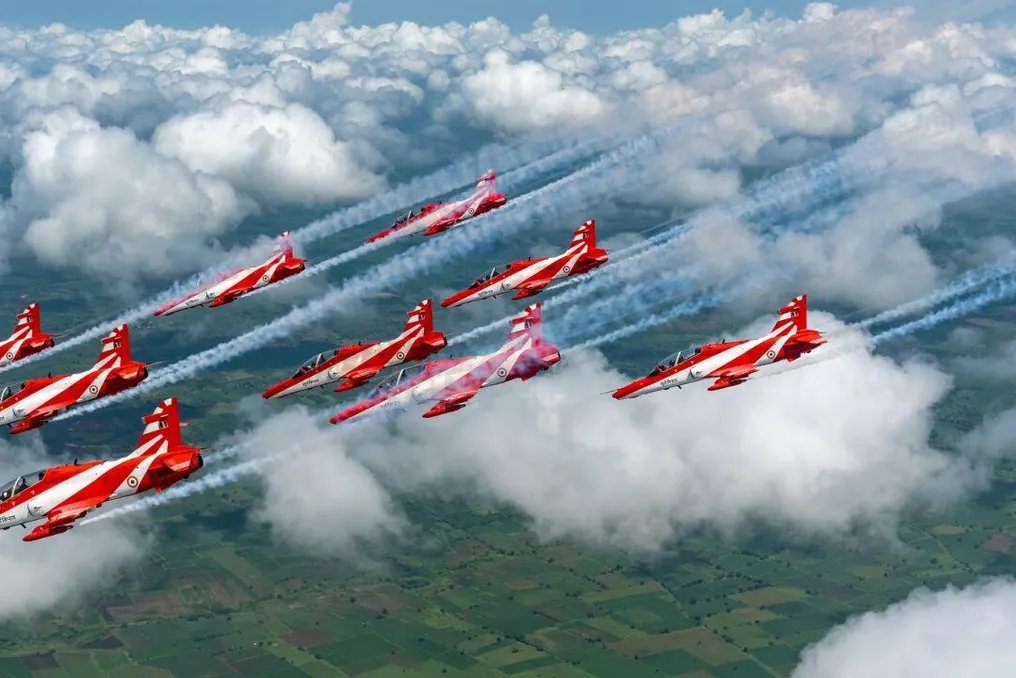
The Ministry of Defence was forced to increase the infrastructure of the Aero India 2027 exhibition in Bengaluru due to growing demand from both domestic and international participants. Requests for space exceeded the initial capacity by approximately 12,000 square meters.
Similar stories
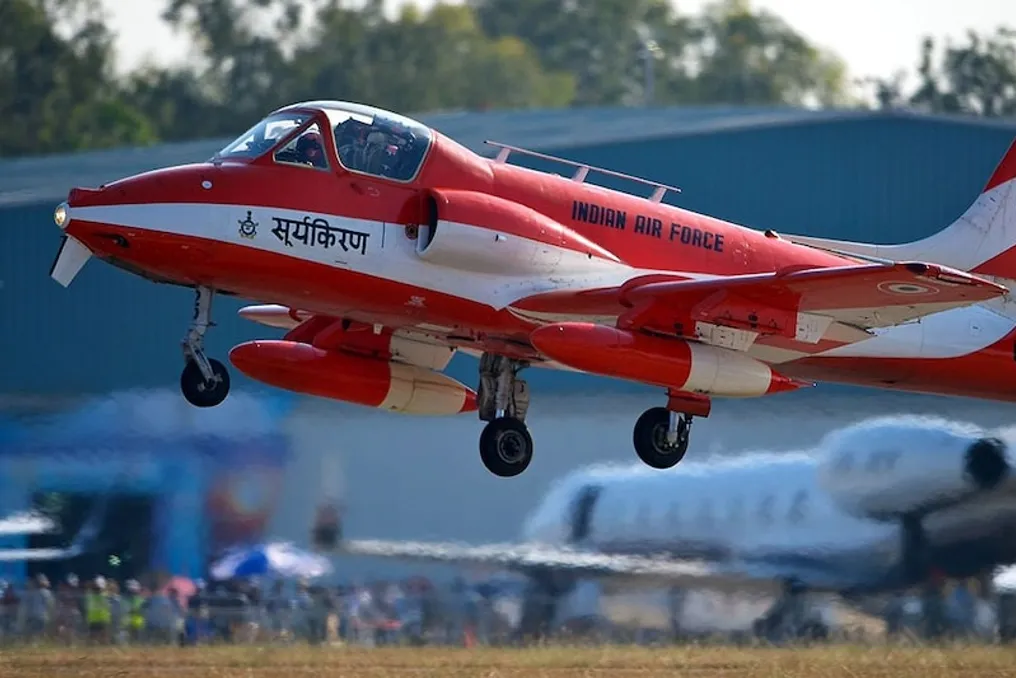
Due to high demand, Aero India 2027 will increase two new hangars and allow mezzanine floors for the first time
In response to the enormous demand from domestic and international companies for Aero India 2027, the Department of Defence Production of the Ministry of Defence has begun a large-scale infrastructure expansion. This event, which is Asia's largest air show, will take place from February 8 to 12, 2027, at the Yelkhanga Airbase in Bangalore.
Demand for space is expected to exceed initial estimates by approximately 12,000 square meters, indicating the rapid growth of India's aerospace and defence sectors. Since Yelkhanga is an active training base of the Indian Air Force, horizontal expansion was restricted due to safety regulations. To overcome these limitations, the department has taken two significant steps.
The first step is the construction of two new exhibition hangars, which will significantly increase the total floor area. The second, historic step is allowing exhibitors to create mezzanine floors in their stands for the first time. Companies will be able to build upper levels where hangar height permits, providing additional space without increasing land area. All mezzanine structures must comply with strict safety, stability, and load-bearing regulations.
These measures will allow a greater number of companies to showcase their technologies and products. This expansion goes beyond simply increasing space; it demonstrates that major global aerospace companies view India as an important market. It will also provide an opportunity for domestic manufacturers and startups to demonstrate their potential on a large platform, supporting the 'Make in India' and 'Atmanirbhar Bharat' (Self-Reliant India) campaigns.
Holding the event at such an active base as Yelkhanga presents a complex challenge due to aviation safety rules restricting horizontal expansion. Therefore, utilizing vertical space, i.e., mezzanine floors, is a sensible solution. The Department of Defence Production aims to provide sufficient space for global leaders, Indian companies, and innovators, thereby enhancing both the quality and attractiveness of the show. Overall, Aero India 2027 is intended to symbolize the maturity of India's aerospace and defence ecosystem.
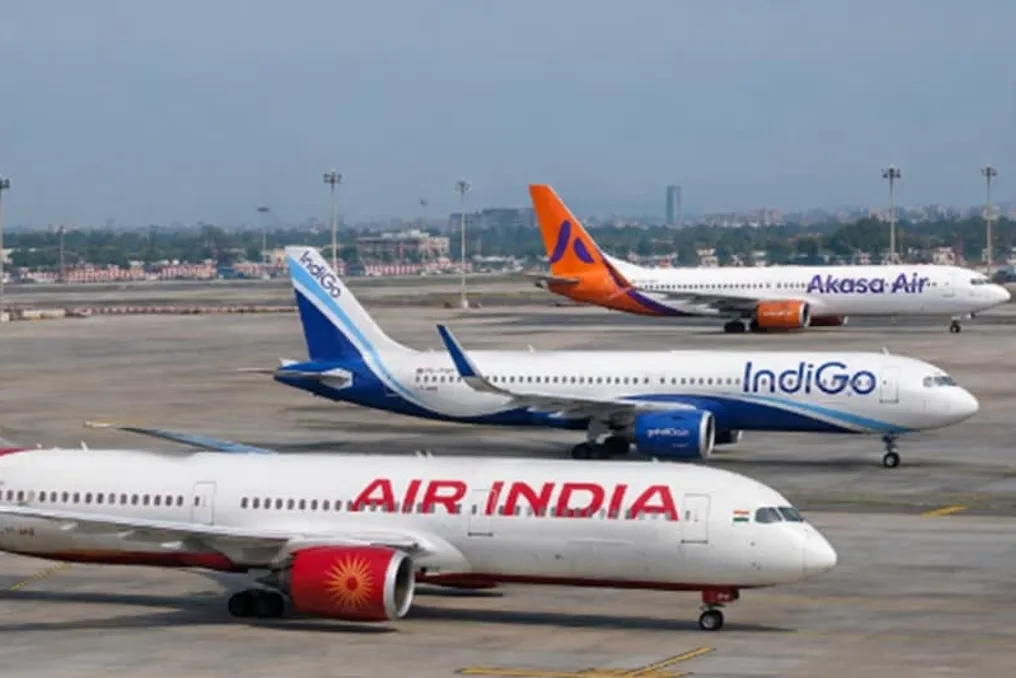
India faces aircraft shortage: 1170 units expected to arrive, with airlines planning to order another 1000
The number of passengers using air travel in India is growing, but the country's fleet of aircraft is not keeping pace with the increased demand. Airlines require a significant fleet of aircraft to expand routes and launch new domestic and international services.
According to Minister of Commerce and Industry Piyush Goyal, India will need over 2000 aircraft to meet its needs. National airlines have already placed orders for more than 1200 aircraft and are preparing to order another approximately 1000 units.
India is among the fastest-growing aviation markets globally. Rising household incomes, the establishment of airports in smaller cities, and increased air accessibility are leading to a continuous rise in the number of air passengers. Consequently, airlines must replenish their fleets with new aircraft.
Despite having more than 1200 orders placed so far, Piyush Goyal emphasized that over 2000 aircraft are required to cover all the country's needs, which implies preparation to purchase an additional approximately 1000 units.
The largest volume of aircraft orders has been placed by India's largest airline, IndiGo. In June 2023, the company ordered 500 Airbus A320 family aircraft to expand flights both domestically and internationally. With such a large influx of aircraft, IndiGo will be able to grow its network in the coming years.
Projections indicate that by 2026, IndiGo's share of the Indian domestic aviation market will exceed 64%, and by November 2026, its share of India's total installed capacity will be around 51%.
Air India, which belongs to the Tata group, placed an order for 470 aircraft from Airbus and Boeing in February 2023. This order includes 250 Airbus aircraft and 220 Boeing aircraft. Among these are large models such as 40 Airbus A350s, 20 Boeing 787s, and 10 Boeing 777-9s, which will primarily be used for long-haul international flights. The remaining aircraft will help increase capacity on domestic and short-haul international routes.
Air India is also participating in market development as part of the Tata group.
Akasa Air is also actively expanding its fleet. In January 2024, the company ordered 150 new Boeing 737 Max aircraft from the American manufacturer. Akasa Air had previously placed orders for aircraft acquisition. These new planes are planned to arrive over the next few years. Akasa Air's goal is to strengthen its presence in the domestic market and expand international destinations.
India will require a large number of aircraft in the coming years. Boeing estimates that Indian and South Asian airlines may require about 3300 new aircraft for domestic and international flights by 2044. Thus, India is becoming a major market for companies like Airbus and Boeing. However, airlines face challenges not only in purchasing aircraft but also in ensuring timely delivery.
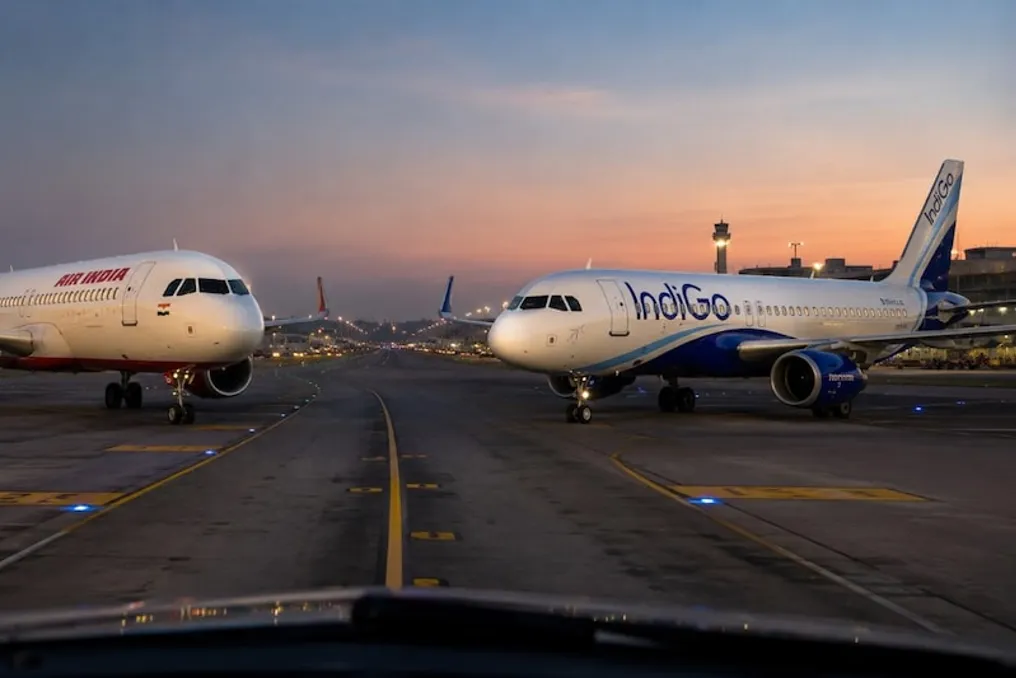
India faces aircraft shortage: orders for 1000 units expected, 1200 to be delivered
The number of air passengers in India is rapidly growing, creating increased demand for a larger fleet of aircraft from airlines. Due to the shortage of planes in the country, various airlines are preparing to purchase another 1000 civil aircraft.
The Union Minister of Commerce and Industry, Piyush Goyal, announced this on Monday during his two-day trip to Egypt. He specified that India has already placed orders for more than 1200 aircraft. Nevertheless, over 2000 aircraft will be required to meet the country's needs. Piyush Goyal stated: 'We are ready to order another 1000 aircraft. We need more than 2000 aircraft to meet our needs.'
Piyush Goyal also noted that the government is negotiating with major aircraft manufacturers such as Airbus and Boeing to expedite the delivery of already placed orders. The aircraft shortage hinders airlines from launching new flights and expanding their route networks.
The minister emphasized the need to strengthen air connectivity between India and Egypt. He pointed out that additional aircraft are necessary to launch more flights between the two countries. As new aircraft arrive, airlines will be able to increase flight frequency to Egypt. Currently, direct flights between India and Egypt are operated by EgyptAir.
India is among the world leaders in the civil aviation market, which is showing the fastest growth. Given the rising number of air passengers, leading Indian airlines IndiGo and Air India have placed large orders with Airbus and Boeing. These aircraft are intended to meet the growing demand for passenger transport both domestically and internationally. However, there is a significant time lag between placing an order for an aircraft and its actual delivery, prompting India to demand faster delivery from manufacturers.
India is not limited to procurement; the country is actively stimulating the development of its own aircraft manufacturing and related industries. There are two Airbus assembly lines in India: one for military transport aircraft and the other for helicopters. Both companies, Boeing and Airbus, annually purchase about $2 billion from India in the form of components and services. Furthermore, the Brazilian company Embraer has entered into a strategic partnership with the Adani Group. Within this cooperation, possibilities for manufacturing regional aircraft in India are being studied. Additionally, many large international aerospace corporations are strengthening their presence in India. The government aims to expand its scope of activities, including aircraft production, component supply, and related industries. Increasing the availability of new aircraft in India will help airlines expand their flights, offering passengers more options both domestically and internationally.