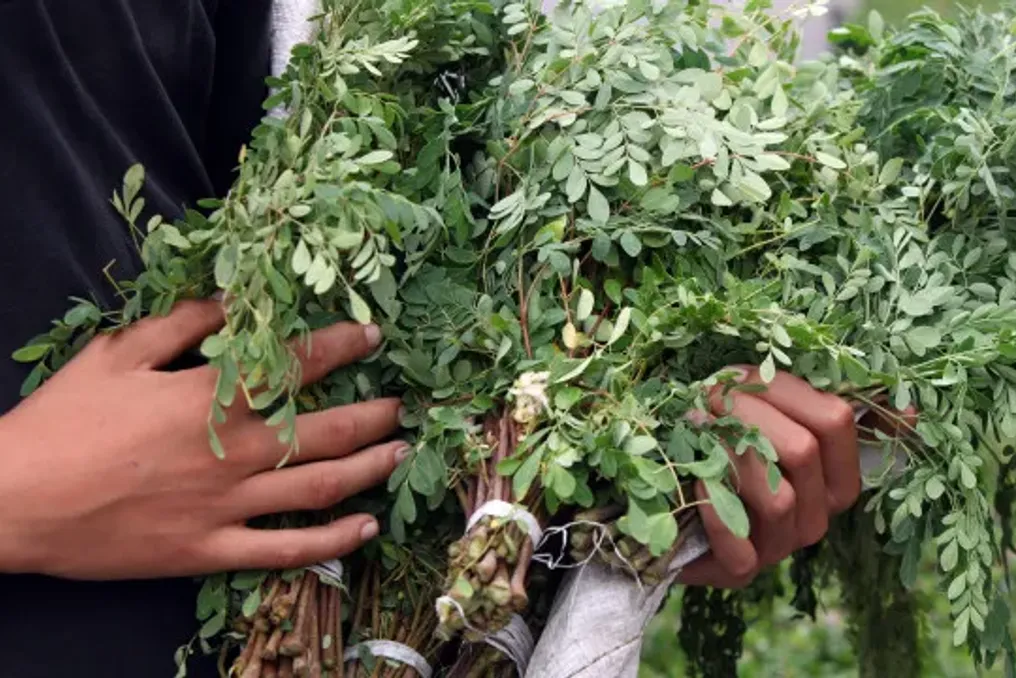
Netherlands trains Angolan farmers in using moringa to increase product value
Read more
Noticias ao Minuto
noticiasaominuto.com

Netherlands trains Angolan farmers in using moringa to increase product value

An initiative organized by the Netherlands provided knowledge to 115 farmers and entrepreneurs from Angola residing in Uambo province regarding methods of producing and transforming the moringa value chain in Angola.

The training, titled 'Moringa – From Plant to Food,' was conducted as part of the agricultural cooperation strategy with the Netherlands. This was reported by the Angolan news agency ANGOP under the guidance of Dutch agronomist Andreas Wesselmann.

Angolan farmers and entrepreneurs received information about the origin and significance of moringa oil—a fast-growing plant possessing nutritional, medicinal, ecological, and economic value.

The training program also covered phytosanitary measures for cultivating moringa, seed selection for oil production, leaf processing, as well as harvesting, washing, cleaning, and various drying methods.

Furthermore, methods for grinding leaves and pressing oil, filtration, packaging, and labeling, as well as storage conditions, organic certification, and an overview of major international consumers were studied.

Andreas Wesselmann emphasized the importance of moringa due to its content of nutrients, vitamins, minerals, essential amino acids, and phytochemical compounds. He expressed readiness to support the creation of production facilities in Uambo for processing moringa and avocado oil.

In Angola, moringa is widely grown and used in the food industry, phytotherapy, and the production of natural supplements, with special attention given to the provinces of Uila and Uambo.
Similar stories

Mozambique Government Adapts Vocational Education to Labor Market Demands
Read more
noticiasaominuto.com

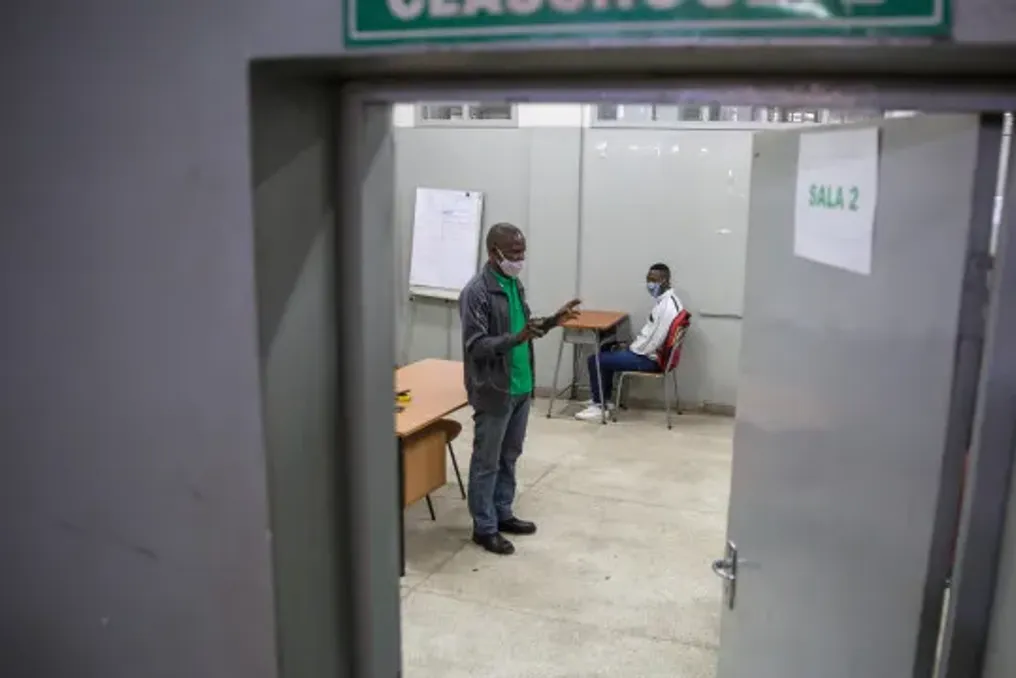
Mozambique Government Adapts Vocational Education to Labor Market Demands

The Mozambican government intends to align technical and vocational education with the needs of the labor market, preparing youth for entrepreneurship. Plans have been announced to increase the private sector's involvement in defining the competencies that graduates must possess.

The Minister of Education and Culture, Edson Macuacua, stated in Maputo that educational institutions must prioritize acquiring practical skills rather than just obtaining diplomas. This is necessary so that graduates can meet company demands and run their own businesses.

The Minister emphasized that the industrial sector should dictate the content of training in technical schools so that the educational offering perfectly matches real market demand. He believes that training should prepare young people not only for finding jobs but also for creating their own businesses, such as small workshops, agro-industrial enterprises, and technological services.

Macuacua advocated for the development of management, innovation, and business initiative skills. He stated that the goal of education is not merely obtaining a diploma, but preparing specialists to fill real gaps in the business sector. Furthermore, the ministry is strengthening partnerships with the private sector, particularly through the Confederation of Mozambican Economic Associations (CTA), to bring education closer to market needs.

Nevertheless, Macuacua acknowledged that the system faces challenges related to the restoration and equipping of technical institutes and schools, the creation of laboratories, expanding access, continuous teacher training, and institutional funding. He insisted on closer coordination between the Government, partners, and the industrial sector.

The Minister noted the urgent need to fully restore and equip technical institutes and schools with laboratories, equipment, and machinery that simulate current industrial reality. Mozambique began reforming vocational education 20 years ago, replacing the traditional discipline-based model with a competency-based system.

In June, the Secretary of State for Technical and Vocational Education, Leo Jamal, admitted that the transition still involves difficulties, especially in the implementation of the new model by institutions. As of 2024, 264 vocational education institutions were operating in the country, compared to 171 in 2017, of which 162 were private. The number of students also increased from 83 thousand in 2017 to 122 thousand in 2024, with about 70% studying in private institutions.

During the Second National Summit on Vocational Education, representatives of the Government, educational institutions, cooperation partners, and the private sector gathered to assess progress in vocational training, discuss systemic challenges, and define strategies to align youth qualifications with labor market needs.

Popular