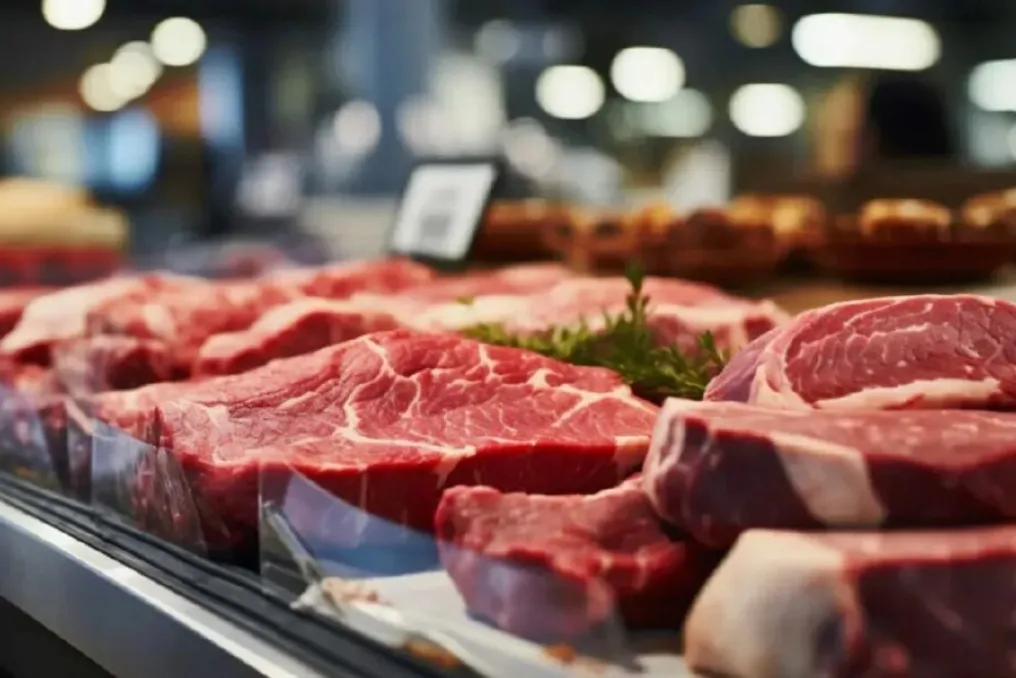
Measures to Increase Meat and Milk Production Approved in Uzbekistan
Read more
Podrobno.uz [uz]
podrobno.uz

Measures to Increase Meat and Milk Production Approved in Uzbekistan

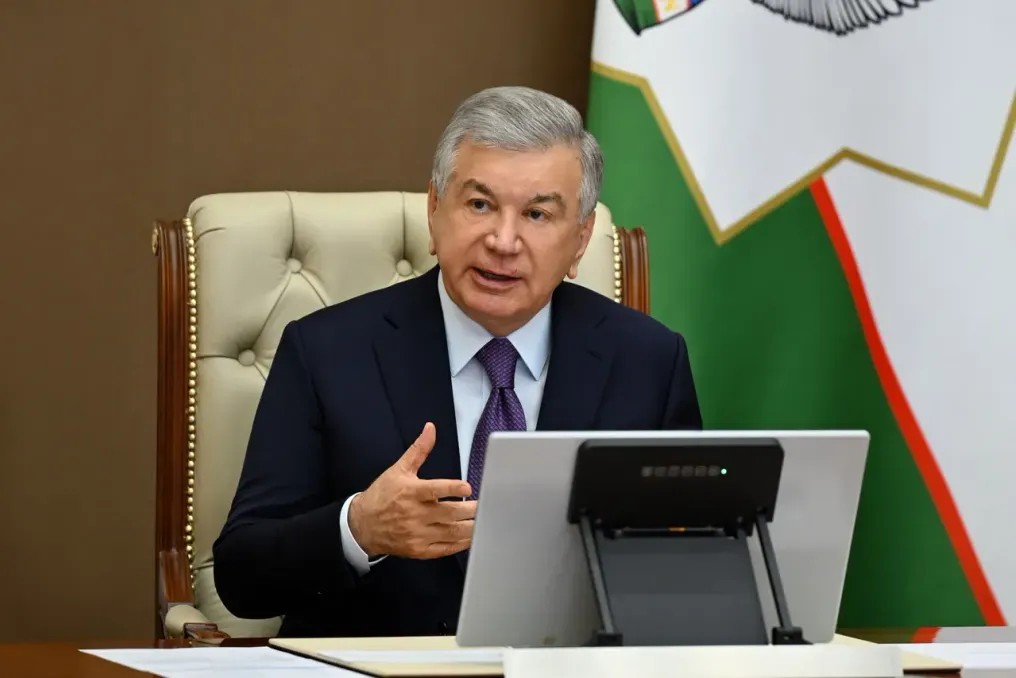
A comprehensive program of measures has been developed in Uzbekistan aimed at increasing the volume of meat and milk production by improving the livestock feed base. These proposals were reviewed by President Shavkat Mirziyoyev during his review of the presentation.

According to data, the country currently houses 12.5 million head of cattle, 23 million sheep and goats, and 125 million birds. Furthermore, 30% of meat costs are attributed to feed. 48 million tons of feed are produced annually, but this is insufficient to cover needs: one head of cattle requires 6.5 tons per year, whereas the actual figure is no more than 4 tons.

Plans for Increasing Feed Production

It is planned to increase feed production to 64.5 million tons by 2027 and to 90 million tons by 2030. To achieve this goal, a feed balance will be established across all regions, and space monitoring will be introduced to control the targeted use of land plots, while crop area accounting will be digitized.

There is a goal to increase the yield of fodder crops from the current 350 to 500 centners per hectare. By 2030, 200 thousand hectares of land are planned to be introduced into agricultural circulation, with 50 thousand of them being introduced next year. Currently, at least 20% of the nearly 480 thousand hectares allocated for livestock farming is underutilized.

In eight districts of Kashkadarya region, cultivation of salt- and drought-resistant crops will begin, and one million hectares of pastures will be seeded by drones. Additionally, over 100 feed centers will be created in the regions to handle wholesale purchasing, processing, and market supply.

Support Measures and Expected Results

A number of support measures are provided for entrepreneurs: construction of water bodies covering more than 500 hectares, increasing subsidies for drip irrigation from 2.5 to 4 million soms per hectare, compensation of up to 50% of equipment costs for renewable energy, provision of preferential loans, and partial reimbursement of expenses for attracting foreign specialists. Starting in 2027, 10% of feed costs for private farms will begin to be subsidized in Kashkadarya region on a trial basis.

The implementation of these measures should lead to an increase in the live weight of slaughtered animals from 250–350 kilograms to 450–550 kilograms, which will ensure an additional production of 400 thousand tons of meat. The President has instructed to work out relevant proposals, determine financing methods, and guarantee stable prices for meat and dairy products.

It was previously reported that the Asian Development Bank provided a concessional loan of $60 million for the development of livestock farming in Uzbekistan. This support will cover about 29 thousand small farms in five regions: Bukhara, Kashkadarya, Navoi, and Samarkand regions, as well as Karakalpakstan.
Similar stories

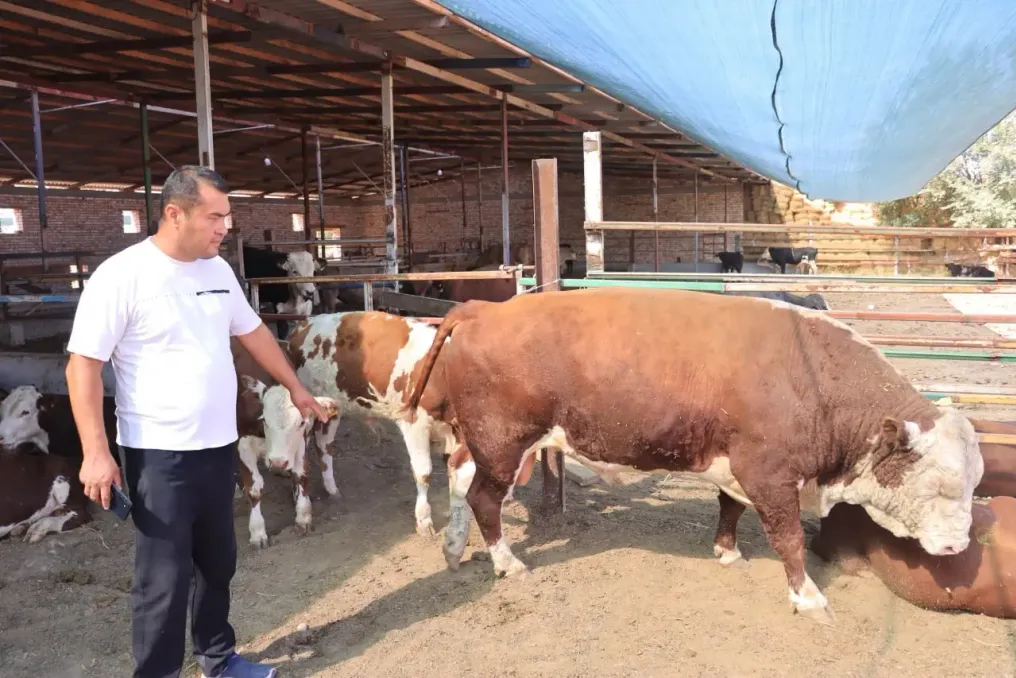
Uzbekistan plans to increase feed production to 90 million tons by 2030
Read more
uzdaily.uz

Uzbekistan plans to increase feed production to 90 million tons by 2030

The President of Uzbekistan, Shavkat Mirziyoyev, reviewed proposals for developing the country's feed production base, according to which annual production should reach 90 million tons by 2030.

Increasing production is necessary due to growing demand for meat and dairy products, as well as to ensure lower costs and stable prices in the domestic market. Feed accounts for about 30% of meat production costs.

Currently, the country has 12.5 million head of cattle, 23 million sheep and goats, and 125 million birds. Annual feed requirements are 6.5 tons per head of cattle, but actual consumption does not exceed four tons.

Furthermore, at least 20% of nearly 480,000 hectares allocated for animal husbandry is underutilized. There is a need to improve the productivity of fodder crops, the availability of quality feed, and breeding methods.

The presented plan envisages increasing feed production to 64.5 million tons in 2027 and to 90 million tons by 2030. Regional feed balances will be developed, and records of cultivated areas and fodder crop varieties will be fully digitized.

Satellite monitoring will be used to control the land allocated for animal husbandry. Thanks to reseeding, high-yield varieties, and modern agricultural technologies, an increase in fodder crop yield from 350 to 500 centners per hectare is expected.

By 2030, authorities intend to bring 200,000 hectares of land into agricultural circulation for growing feed, with similar work planned for 50,000 hectares in 2027.

Another priority is increasing pasture productivity. In eight districts of Kashkadarya region, drought-resistant and salt-tolerant fodder crops are planned to be cultivated using international experience.

By 2030, authorities plan to sow one million hectares of pastures across the country using drones.

A unified system for feed production, processing, storage, procurement, and delivery was also proposed to improve supplies to farmers. The creation of more than 100 regional collection centers and points is planned, which will handle wholesale purchases, processing, warehousing, and ensuring uninterrupted supply.

These measures are aimed at ensuring that households, which account for 87% of the cattle population, have access to quality feed. The presentation also considered financial support for businesses.

For farms developing over 500 hectares of fodder crops and implementing modern irrigation systems, the authorities proposed the construction of reservoirs with capacities up to 100,000 cubic meters using local budget funds.

The proposed subsidy for installing sprinkler irrigation systems will increase from 2.5 million to four million sums per hectare. Additionally, authorities plan to reimburse up to 50% of the costs for equipment used for renewable energy in irrigation on plots of at least 10 hectares.

Entrepreneurs developing pastures in Karakalpakstan, Navoi, Bukhara, Kashkadarya, and Khorezm regions may be allowed to build livestock complexes on parts of these territories.

Other proposals include preferential loans for establishing feed centers and growing fodder crops, incentives for purchasing modern agricultural machinery, and partial reimbursement of costs for attracting foreign specialists and improving the qualifications of local personnel.

Starting in 2027, a pilot scheme is expected in Kashkadarya region that will subsidize 10% of the cost of feed purchased for livestock kept by households.

Developing domestic seed production is another priority, as imports currently cover 95% of the country's seed needs for fodder crops.

Scientific and seed centers are planned in Kashkadarya region with the participation of Egyptian scientists. They will develop high-yield varieties resistant to drought and salinity, adapted to local climatic conditions, which should gradually reduce dependence on imported seeds.

The proposals also include expanding artificial insemination and embryo transplantation with high genetic potential, developing regional breeding services, and strengthening cooperation between large livestock enterprises and households.

According to estimates presented at the meeting, the proposed measures could increase the live weight of slaughtered cattle from the current 250–350 kg to 450–550 kg. It is also expected that conditions will be created for the production of an additional 400,000 tons of meat.

Mirziyoyev emphasized the need to strengthen the feed base, rationally use land and water resources, and increase livestock productivity through scientific achievements and modern technologies. Relevant bodies were instructed to refine the proposals, determine financing mechanisms, and develop projects for each region, as well as ensure stable domestic prices for meat and dairy products.

Uzbekistan presents measures to develop the livestock sector following public criticism
Read more
uzdaily.uz

Uzbekistan presents measures to develop the livestock sector following public criticism

The Agency for Livestock and Pasture Development of Uzbekistan has published a number of measures aimed at improving access to pastures, supporting local livestock producers, and increasing production efficiency, in response to public criticism of the sector.

This statement was made by the agency, which falls under the Ministry of Agriculture, after critical materials and discussions regarding the state of animal husbandry, public access to pastures, and the ability of households to keep livestock were published on social media.

The agency emphasized that livestock development goes beyond simply increasing the number of animals; it also requires strengthening the feed base, rational use of pastures, expanding opportunities for the population, and improving overall production efficiency.

One of the key issues identified during the analysis was access to pastures for rural residents, as keeping livestock remains a source of income and a means of satisfying daily needs for many families.

Presidential Decree No. PP-374 of October 14, 2026, provides for the creation of public pastures on unused land. These areas are intended for grazing livestock kept by local residents in households.

This decree also guarantees free public use of these zones according to established procedures and introduces new pasture management mechanisms.

Other measures include assessing the condition of pastures, determining the degree of their degradation, and implementing an electronic monitoring system. The document also requires ensuring that these territories are used for their intended purpose and managed effectively.

Nevertheless, the agency noted that the adoption of regulatory acts alone will not solve existing problems. The need to assess the practical implementation of measures, the accessibility of pastures for residents, and the obstacles faced by local farmers was highlighted.

The agency also commented on public discussions about meat imports, stating that the state of domestic livestock farming cannot be judged solely by import volumes. A proper analysis must take into account domestic production, household consumption, demand from the tourism industry, livestock productivity, feed costs, and the supply-demand balance.

Increasing the production capacity of local livestock farming is defined as one of the agency's main priorities. Planned steps include developing breeding and rearing programs, improving feed supplies, introducing modern technologies, and expanding the production capabilities of farmers and entrepreneurs.

Presidential Decree No. PP-179 of May 12, 2026, also sets target indicators for livestock development in these regions.

The agency viewed the public criticism as a sign of interest in the sector's development. However, it clarified that accusations of illegal seizure of pastures, monopolistic conditions, or violations of land user rights must be investigated by authorized bodies based on documents and concrete evidence.

The agency expressed its readiness to consider appeals and suggestions from farmers, livestock breeders, specialists, and the public, and stated its willingness to cooperate with other government agencies to solve problems in the sector.

The statement outlined key priorities: eliminating the causes of existing difficulties, improving access to pastures and feed, increasing productivity, and protecting the economic interests of local livestock breeders. The ultimate goal is to create conditions for the development of farms, expand public participation in animal husbandry, and ensure sustainable growth of domestic production.

Popular