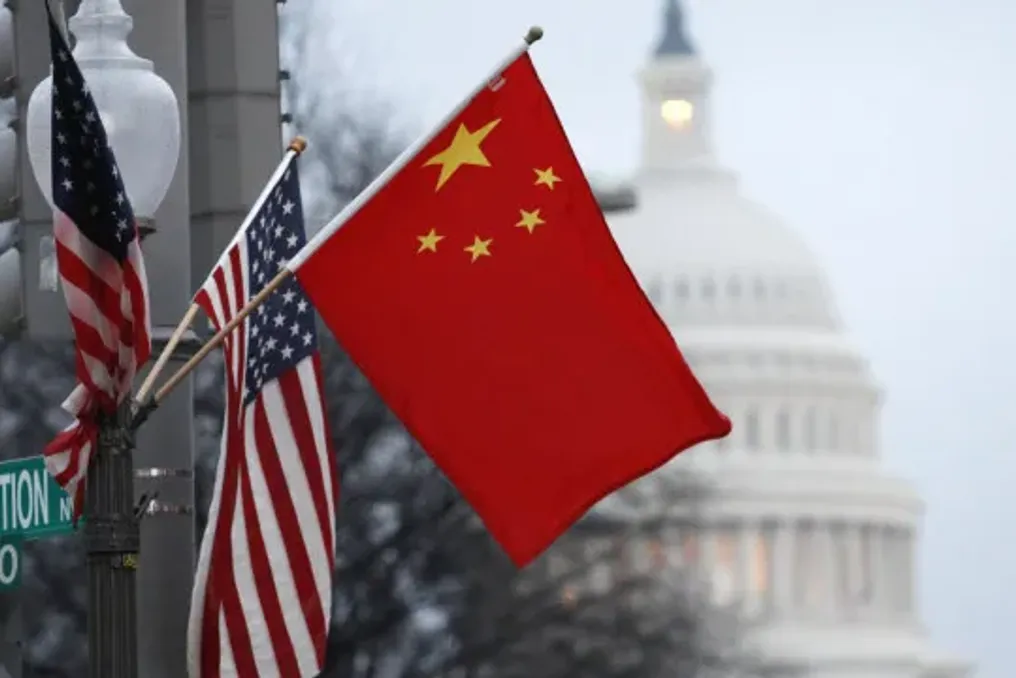
China has labeled the United States' claim of industrial overcapacity as a 'fallacy' used to justify the imposition of new customs tariffs on exports from the Asian country and other nations.
Guo Jiakun, spokesperson for the Chinese Ministry of Foreign Affairs, stated during a press conference that the alleged 'overcapacity' constitutes a fallacy and that Beijing opposes its use as a pretext for political maneuvers.
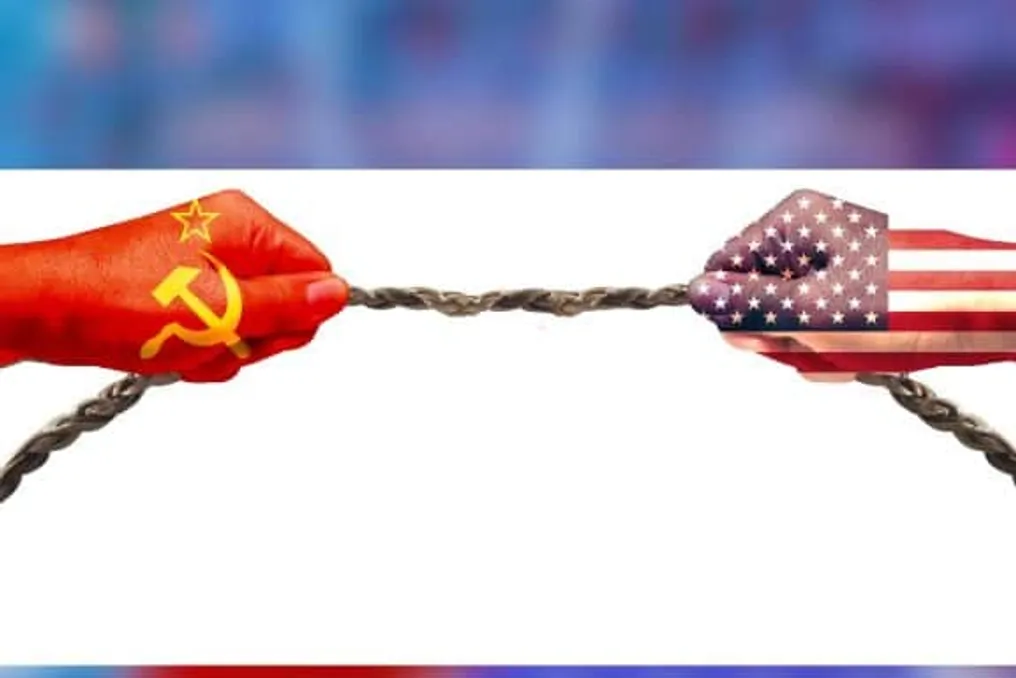
The official emphasized the need for 'coherence and clarity' in conducting trade and economic affairs between China and the United States. He added that trade and tariff disputes are not beneficial to either party, and both should resolve pending issues through consultations based on equality, respect, and mutual benefit.
The spokesperson reiterated that the two countries need to cooperate to realize the significant agreement reached by their respective leaders and sustain stable development in bilateral economic and trade relations.
Meanwhile, U.S. Trade Representative Jamieson Greer announced the implementation of new tariffs of up to 20% applied to 14 economies, including China, Japan, and the European Union. This decision was made in response to practices considered unfair that unbalance the trade balance between the two sides.
The proposal for new tariffs, introduced under Section 301 after a review period, will involve an increase of up to 20% on certain Chinese imports, with the total of these imports potentially increasing by up to 40%. The main objective of this measure is to combat the overproduction of the Chinese industry, which exerts pressure on competitors' prices.
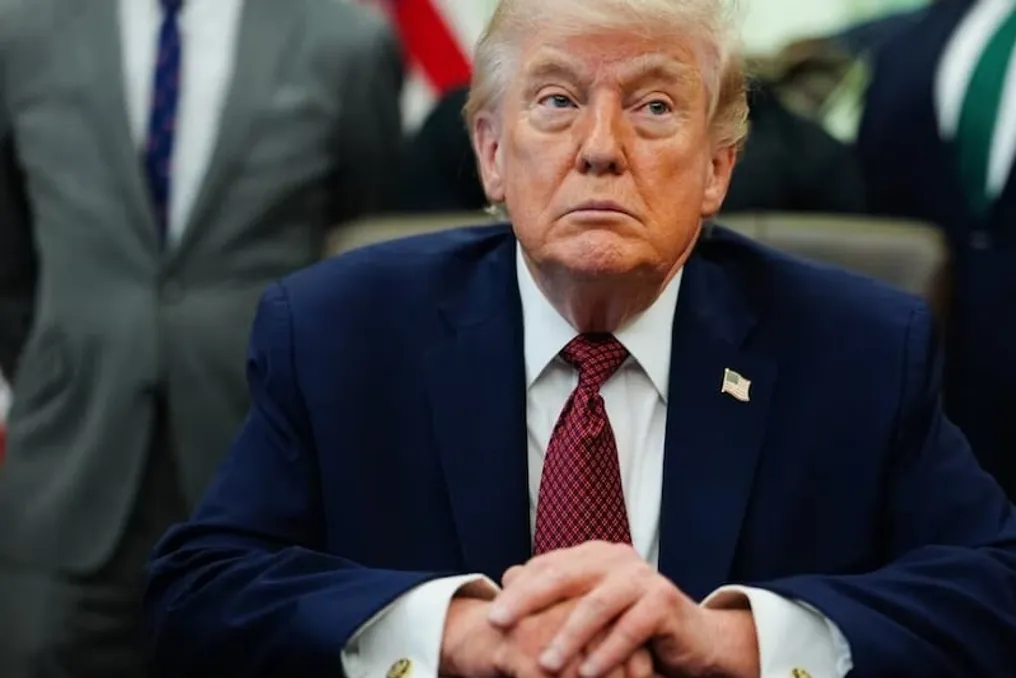
Jamieson Greer warned that tariffs imposed on China could reach 40% if agreements related to the trade truce established last summer between U.S. President Donald Trump and his Chinese counterpart, Xi Jinping, are not formalized. Adjustments to customs duties will also affect trading partners such as the European Union, India, Japan, Singapore, and South Korea.