Eight Simple Ways to Keep Warm in the House During Winter Without Using Heaters
Read more
The Better India
thebetterindia.com

Eight Simple Ways to Keep Warm in the House During Winter Without Using Heaters

The winter period is often accompanied by cold floors, cool corners, and searching for a sunny spot in the house. Many of us observed as children how our grandparents prepared for the season, taking out thick cotton blankets, laying out handwoven rugs, and opening curtains to let in the daylight.

These simple habits can still help maintain a comfortable temperature, reduce electricity bills, and make better use of existing items. Eight traditional and eco-friendly methods are presented that allow you to make your home warmer this winter without constant reliance on room heaters.

How to Maximize Winter Sunlight

It is necessary to open curtains and shutters in rooms that receive direct sunlight during the day, allowing the sun to illuminate floors, walls, and furniture. When evening comes, the curtains should be closed to reduce the feeling of cold penetrating through the windows. Thicker curtains can create an additional barrier between the room and the cold window glass. This method is a modest form of passive solar heating. Traditional houses in this country were often designed with local climate in mind, using natural light, ventilation, and local materials. Indian folk architecture offers useful examples of how traditional building structures interact with natural conditions to create comfortable living spaces.

Using Traditional Blankets and Coverings

A well-stuffed cotton blanket, wool throw, or plaid can make the bed cozy without consuming electricity. On particularly cold nights, it is recommended to place a lighter blanket under a thicker one. An extra throw should be kept near the sofa on cool evenings. Instead of changing bedding every winter, it can be aired out on a dry, sunny day and weak seams or worn covers can be repaired. It should only be stored after being completely dry, preferably in a clean cotton bag. Reusing and caring for bedding extends its lifespan and reduces unnecessary purchases.

Covering Cold Floors with Rugs and Runners

Stone and tiled floors can feel especially cold early in the morning during winter. In frequently used areas, such as near the bed, next to the sofa, and in a reading corner, cotton runners, wool rugs, or existing carpets should be placed. It is not necessary to cover the entire floor; a few strategically placed rugs can make daily spaces more comfortable. If you already have a handwoven runner, it is better to use it instead of buying a new synthetic rug. Regularly shake it outside and keep it dry to prevent dampness and unpleasant odors.

Layering Natural Fabric Clothing

A wool sweater, shawl, socks, and comfortable slippers can significantly increase comfort in a cool room. Several layers should be worn, which can be added or removed as the temperature changes. Wool items and inherited clothing can last for years with proper care. If something new is needed, it is worth considering repairing old clothes or purchasing a durable item from a local manufacturer, instead of choosing an item that may only last one season.

Using Old Fabrics to Block Cold Air

Cold air can seep through gaps under doors and around windows. Instead of buying plastic seals, old household textiles should be used. An old towel can be rolled up or sewn from leftover cotton fabric into a long cushion and placed under doors to restrict the entry of cold air from outside. Window frames must be checked for gaps, and suitable removable sealing strips should be used if necessary. However, ventilation openings should be avoided, especially in kitchens and bathrooms, as homes require adequate air exchange.

Spending More Time in One Sunny Room

Instead of trying to warm up every room equally, daily activities should be organized in the part of the house that receives the most sunlight. Move a chair, desk, or floor cushion closer to the sunny spot during the day. Close doors to unused rooms, especially those that remain noticeably colder. This helps maximize available natural heat without the need for additional appliances.

Inspiration from Traditional Himalayan Homes

Traditional dwellings in colder regions of the country offer valuable lessons in sustainable construction. Kath-Kuni type houses in Himachal Pradesh use alternating layers of stone and wood, possessing thick walls and clay plaster. Their structure promotes interior insulation and heat retention. The revival of Kath-Kuni architecture in Himachal Pradesh demonstrates how traditional building methods and local materials can preserve architectural knowledge. Similarly, Ladakh traditionally used clay, stone, willow, and poplar to withstand the region's harsh winters. Traditional building techniques in Ladakh serve as an example of how natural materials can be integrated into modern homes. Although these construction methods cannot be directly replicated in apartments, they emphasize the importance of choosing materials and design appropriate for the local climate.

Maintaining Dryness and Ventilation in the House

Damp rooms can feel colder and promote mold growth. When the weather is favorable, wet clothes should be dried outside, condensation on windows should be wiped, and extractor fans should be used in the kitchen and bathroom while cooking or bathing. Periodically open windows briefly when external conditions are suitable to ensure fresh air circulation. Keeping the house warm should not mean completely sealing it; adequate ventilation is important for maintaining a healthy indoor environment.

Creating a Warm Home Through Conscious Choice

Comfortable living during the winter does not always require expensive appliances or major renovations. Traditional architecture also teaches lessons on creating homes that harmonize with the environment. By combining these practices with conscious consumption, households can stay warm while reducing unnecessary energy consumption. These measures may not replace safe heating during severe frosts, but they can reduce the need to constantly rely on heaters.

Similar stories

Six ways to warm a bedroom in winter without using heaters
Read more
www.aajtak.in

Six ways to warm a bedroom in winter without using heaters

During the winter period, the biggest cold problems occur specifically in the bedroom. Even after covering up with thick blankets and throws, the room can remain too cold; sometimes there isn't enough warmth even in bed. Usually, in such cases, people resort to using heaters or fans. However, prolonged use of these devices is not beneficial for health or budget, as it increases electricity bills and can be dangerous for well-being.

If you want to make your bedroom warm and cozy without extra costs, you need to pay attention to several simple details. The feeling of cold can be reduced by making changes to the furniture arrangement, as well as the decoration of windows and doors, and this does not require purchasing expensive heaters or fans.

How to keep the bedroom warm:

The first tip is to place the bed away from the window. In winter, the most cold is felt near the windows because cold air can penetrate through the glass and its edges. If your bed is right by the window, you may feel intense cold while sleeping. Therefore, it is recommended to move the bed away from the window and place it closer to the wall of the room to avoid direct contact with cold air and ensure greater comfort during sleep.

The second important point is to close the curtains when evening arrives. Curtains play a significant role in maintaining warmth in the room. During the day, when sunlight enters the room, the curtains should be kept open so that heat and light can penetrate inside. But as soon as evening comes, the curtains must be closed, preferably using thick, velvet, or thermal insulation options that will help minimize heat loss through the windows.

The third way is to lay a thick rug or runner on the floor. If the floor in your bedroom is made of marble or tile, you feel intense cold when walking on it in winter. In this case, laying a thick carpet, rug, or runner is a good solution, as it will prevent direct contact of feet with the cold surface. Furthermore, the carpet will help make the room warmer and cozier; old but thick runners can be used around the bed.

The fourth point concerns radiators: do not place heavy furniture, sofas, or other objects next to them. People often place curtains or furniture in front of the radiator, which prevents hot air from distributing evenly throughout the room. It is necessary to leave enough free space around the radiator to ensure effective heat distribution.

The fifth tip is to place a thick towel under the door. Although the door is closed, cold air can seep through the gap at the bottom. To avoid this, take an old, thick towel, roll it up, and place it under the door. This will help reduce the influx of cold air. It is also worth checking the edges of windows and doors for drafts and installing sealing strips if necessary.

The sixth recommendation is to close doors to unused rooms. If there are rooms in the house that are not used, their doors should be kept closed. This will reduce the overall air mixing between different areas. Furthermore, it is important to ensure that the windows and doors in the room where you spend the most time are tightly closed, which helps retain heat.

Other points must also be considered: to keep the bedroom warm, you should maximize the use of daylight, and at night, you must close the window curtains. You should block cold air entering through windows and doors, and also use thick carpets and runners. Nevertheless, if there is very severe cold, you cannot rely only on these methods; heating must be used as necessary to protect the elderly, small children, and the sick.

Do Not Plant These 4 Flowering Plants in Winter Due to the Risk of Cold and Frost Damage to Leaves
Read more
www.aajtak.in

Do Not Plant These 4 Flowering Plants in Winter Due to the Risk of Cold and Frost Damage to Leaves

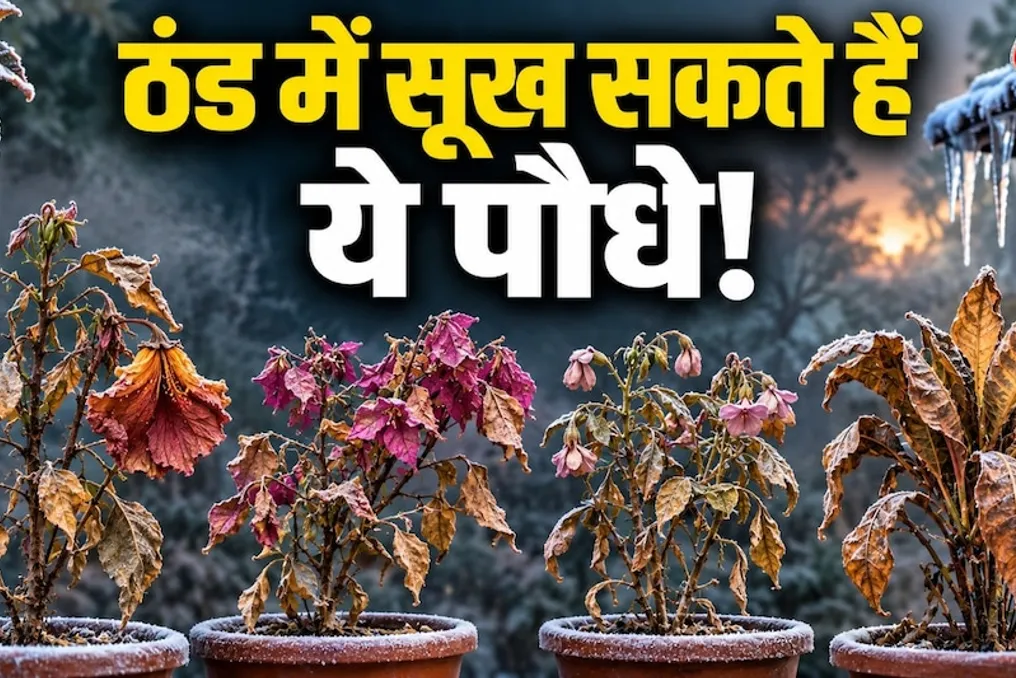
Flowering plants delight the eye year-round, but it is important to understand that plant requirements vary depending on the season. When winter arrives, many people try to green their balconies and gardens by purchasing new plants from nurseries. However, not all types of plants are adapted to winter conditions. Some plants require intense sunlight and warmth to grow. As temperatures drop and night frosts set in, their leaves begin to be damaged, and even with proper care, they can gradually wither.

Therefore, if you plan to plant new plants on your balcony or yard in winter, you should pay attention to the selection. According to a gardener, plants such as marigolds, bougainvillea, evergreen primrose, and croton do not tolerate severe cold well. Cold and frost can negatively affect their health. Next, we look at why these four types should be avoided in winter; even if they are already planted, they can dry out.

Marigolds: The marigold plant looks very beautiful when large flowers appear on it. However, flowering only occurs with good light and warm weather, indicating that marigolds prefer warmer seasons. As temperatures drop in winter, the growth of this plant may slow down. Due to severe cold and frost, its leaves begin to wilt, and delicate shoots can be damaged. Therefore, during severe frosts, it is recommended not to expose it to the open air.

Bougainvillea: Bougainvillea decorates the garden and balcony with its colorful flowers. This plant develops well with sufficient sunlight. Nevertheless, severe cold and frost can affect its condition. Contact with cold air can damage the leaves and also negatively affect the growth of new shoots. For this reason, this plant should not be planted in open and cold places during winter.

Evergreen Primrose: Evergreen primrose is valued for its small and beautiful flowers. This plant usually grows well in a warm climate. However, a significant drop in temperature can harm its growth. There is a risk of leaf and some parts of the plant being damaged due to cold and frost. Therefore, before planting in spring, you need to monitor the temperature in your region.

Croton: Croton is popular indoors because of its variegated leaves, which display a beautiful combination of green, yellow, red, and orange shades. But this plant is sensitive to cold. As winter intensifies, its leaves begin to wilt and become damaged, especially if the plant is exposed to direct cold air, which can cause serious harm.

In winter, plants are harmed not only by cold wind but also by night frosts. When the temperature drops sharply, frosts begin to affect the leaves and shoots. This can lead to the leaves looking scorched and changing color.

With prolonged exposure to severe cold, plant growth can stop. If plants remain in such conditions for a long time, they can gradually weaken and dry up. Consequently, when gardening in winter, it is crucial to consider the needs of the plants and the weather conditions.

Six measures for home walls in winter to prevent dampness and paint peeling
Read more
www.aajtak.in

Six measures for home walls in winter to prevent dampness and paint peeling

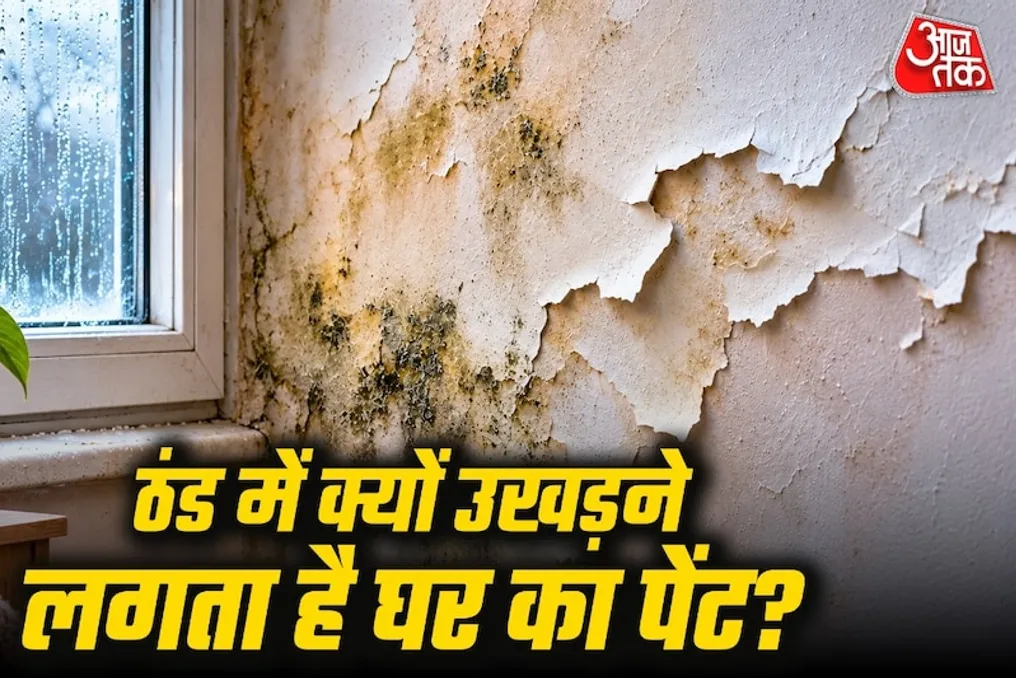
As the winter season begins, various problems often arise in homes, among which is the appearance of dampness on walls and paint peeling. It is noticeable that during cold weather, wet spots appear on the walls; sometimes the paint swells, and sometimes its layer begins to peel off like a crust. Black and green spots may also appear in the wall corners. Initially, people tend to consider this an ordinary inconvenience and ignore it. Some decide to repaint the wall, while others try to dry the damp area by applying fabric or newspaper. However, such actions do not eliminate the problem, and after some time, dampness reappears on the wall.

In fact, there are many reasons for dampness appearing on walls in winter. The main causes include increased humidity inside the house, insufficient air exchange, water penetration into the walls, and water ingress from the roof. If these causes are not eliminated in time, besides paint damage, mold can appear on the walls.

In winter, the outdoor temperature drops significantly, which affects the house walls. The walls become cold, while the indoor air humidity constantly increases due to cooking, showering, drying laundry, and breathing. When the warm and humid indoor atmosphere comes into contact with the cold walls, the water vapor in the air begins to turn into fine droplets. This process is called condensation. Simply put, it is similar to the formation of droplets on the outside of a cold bottle of water in winter, just as moisture can accumulate on cold walls.

Initially, this moisture appears on window panes, in wall corners, and behind cabinets. If the room lacks a proper ventilation system, this moisture can persist for a long time, gradually leading to signs of dampness on the walls.

Before painting the walls, it is crucial that the surface is clean and dry. If there is already moisture inside the wall, it can weaken the adhesion of the paint. With constant water or moisture in the wall, the layer between the paint and the wall is damaged. As a result, small bubbles begin to form on the paint surface. Over time, these bubbles burst, and the paint starts to peel off in a crust.

Sometimes white powder also appears on the wall. This happens when water inside the wall carries dissolved salts to the surface. After the water dries, these substances remain as a white layer. This problem is called efflorescence. This is why applying new paint to a damp wall without eliminating the root cause does not bring long-term benefit, as the paint can spoil again.

First reason: insufficient air exchange in the house. In winter, people close doors and windows to protect themselves from cold air. This prevents internal moisture from escaping. Vapor formed during cooking, showering, and breathing accumulates in the room, gradually affecting the walls.

Second reason: water leakage inside the walls. If there is a leak somewhere in the house's plumbing, water can slowly penetrate the wall. Even a small hole in the pipe can lead to a constant inflow of water. At first, this goes unnoticed, but then wet spots, paint swelling, and signs of dampness appear.

Third reason: leaks from the roof. If there are cracks in the roof or rainwater accumulates, it can slowly seep inside. This affects the roof and the associated walls. Dark spots often appear in the roof corners, and the paint begins to peel off.

Fourth reason: drying clothes indoors. Since there is little sun in winter, people dry wet clothes in rooms. Water from the clothes gradually evaporates into the air, increasing the humidity in the room. If the windows are closed, this moisture can settle on the walls.

Fifth reason: cracks in external walls. Small cracks in the exterior walls of the house allow rain and moisture from other sources to penetrate inside. Furthermore, a damaged layer of paint or plaster may not prevent water penetration. This leads to the appearance of dampness traces on the interior walls.

Sixth reason: moisture rising from the ground into the walls. In some houses, moisture contained in the soil begins to rise up from the lower parts of the walls. This phenomenon is called capillary rise of moisture. In such cases, dampness, paint peeling, and the appearance of white salt layers may be observed at the bottom of the wall. This problem often occurs when there is no proper moisture prevention system between the foundation and the walls.

If you want to avoid dampness on your home walls in winter, you need to take some simple steps.

Popular