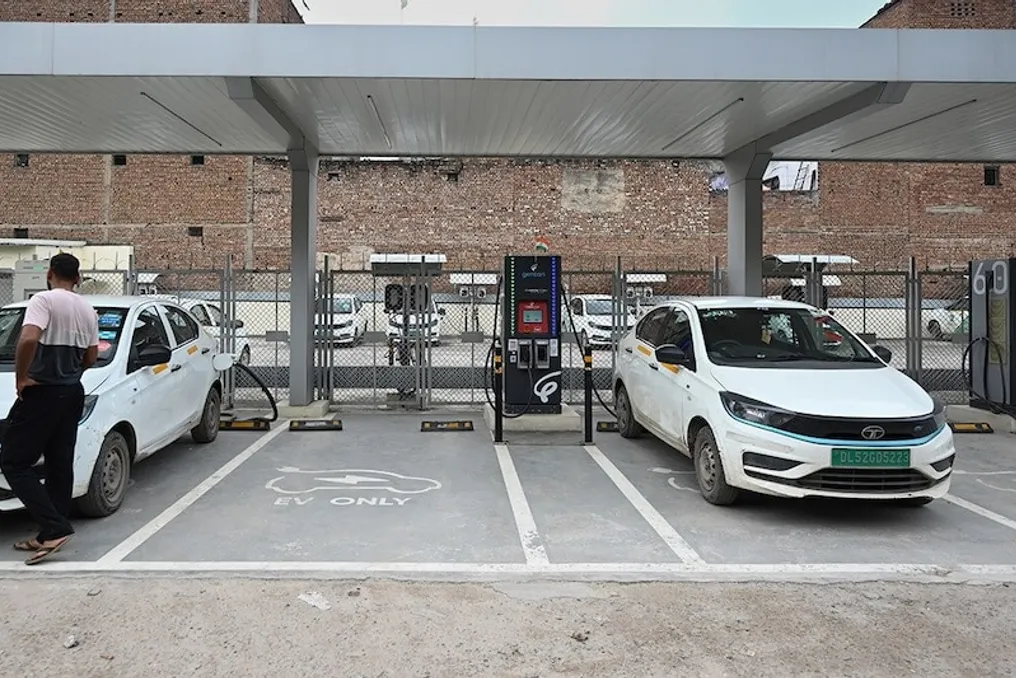
The Delhi government is taking several measures to encourage the use of electric vehicles. Soon, 540 public charging stations for electric vehicles will be installed in the capital city. According to a PTI report, these 540 charging stations will be placed at 180 locations in Delhi to support the growing popularity of electric vehicles.
The total cost of this project will be approximately 620 million rupees, utilizing a charging station configuration approved by the Ministry of Heavy Industries. Delhi Transco Limited has begun the process of appointing operators to manage and operate the installations under the PM e-Drive program.
According to official documents, three types of chargers with varying power levels will be installed at these charging stations. Each site will feature 12 kW chargers with two charging cables, intended for recharging two- and three-wheeled vehicles.
Furthermore, 60 kW chargers, also equipped with two charging cables, will be installed for electric commercial vehicles of category N1 weighing up to 3.5 tons and other electric four-wheeled vehicles. Fast charging stations with a capacity of 120 kW and two charging cables are also provided at each location to ensure rapid charging.
These 180 locations are divided into two packages of 90 sites each. The first package will cover the West and North Delhi areas, while the second package will include South Delhi, New Delhi, and East Delhi.
In line with Delhi's Electric Vehicle Policy 2026, starting January 1, 2027, registration of new vehicles in Delhi will only be permitted for electric three-wheelers and electric commercial vehicles of category N1; gasoline and other fuel-powered vehicles will not be registered in this category.
Moreover, from April 1, 2028, only electric two-wheeled vehicles will be allowed to register in Delhi. These changes are expected to drive demand for public charging stations, especially for commercial transport, which will require fast charging.
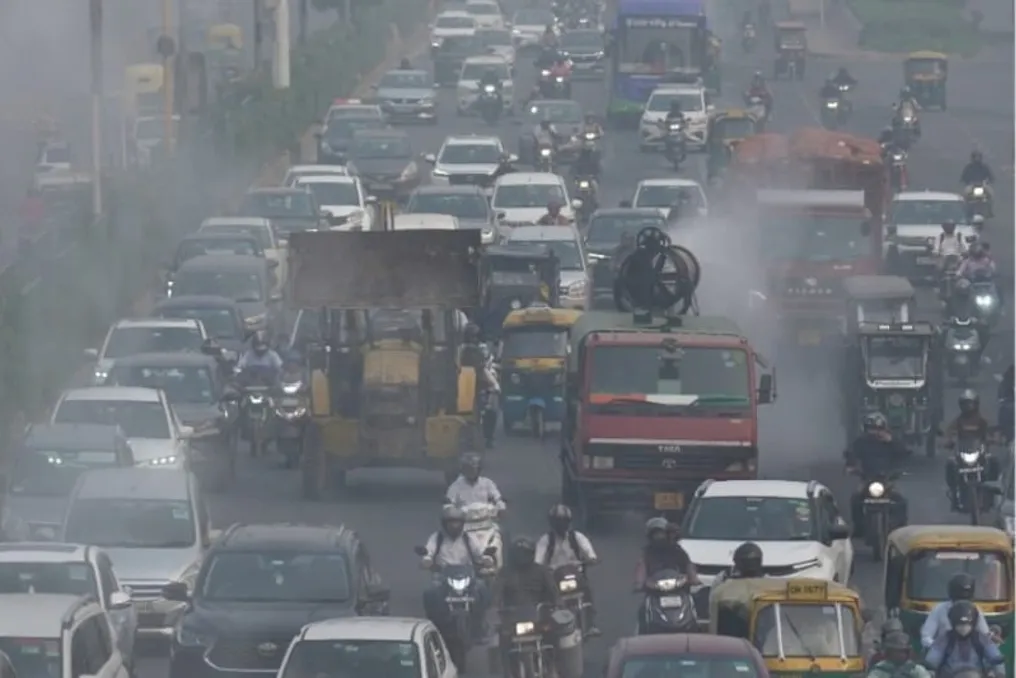
It is planned that by December 2029, the Air Quality Management Commission will have established 32,062 charging points in Delhi. Official documents point to a significant share of road transport in Delhi's polluted air, and the transition to electric vehicles will help reduce pollution levels. Special emphasis is placed on electrifying daily transport, including two-wheelers, three-wheelers, trucks, and fleets.
The Delhi government offers various incentives under its EV policy, such as subsidies, discounts on road taxes, and registration fees when purchasing electric vehicles or scrapping old vehicles. The increase in the number of electric vehicles will lead to an increased need for public charging stations, making it crucial to ensure their functionality and ease of use for the public.