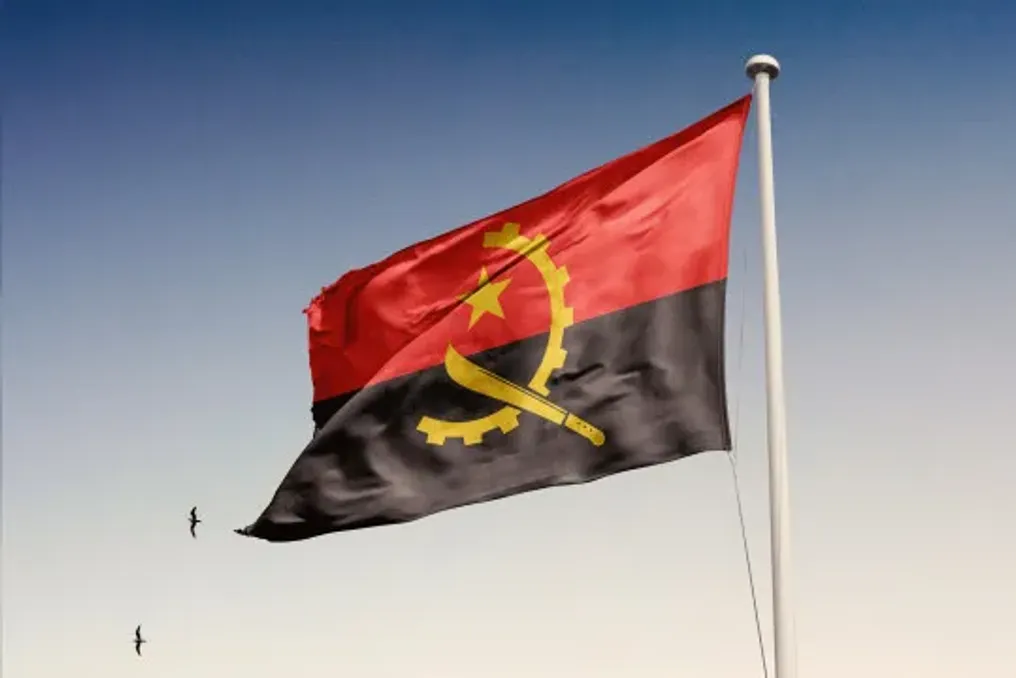
Angola has 26 mutual associations with over 233 thousand members
Read more
Noticias ao Minuto
noticiasaominuto.com

Angola has 26 mutual associations with over 233 thousand members

The Minister of Public Administration, Labor and Social Protection of Angola reported the existence of 26 legalized mutual associations in the country, which unite more than 233 thousand participants. The Minister emphasized the need to strengthen this movement.

Theresa Dias spoke at the opening of a seminar on the topic 'The importance of mutuality in Angola, its socio-economic impact, and sustainability.' Luis Alberto Silva, president of the board of directors of the Union of Portuguese Mutualities (UMP), took part in the event.

According to the Minister, mutual associations serve as tools for social protection, integration, and promoting solidarity among citizens. The Angolan government stressed that the associations need to improve organizational aspects, management quality, financial resource administration, and ensure the sustainability of benefits provided to members.

The Minister stated that these organizations must understand the needs of their members, manage existing resources properly, and guarantee the fulfillment of undertaken obligations. She noted: 'Mutuality is not a request for charity; it is self-organization,' calling on farmers, taxi drivers, street vendors, and fishermen to join associations capable of defending common interests, improving working conditions, and creating economic opportunities.

Luis Alberto Silva, in turn, emphasized that mutuality represents an opportunity for institutional rapprochement between Angola and Portugal through the exchange of experience, achievements, and challenges. The President of UMP noted that mutuality in Portugal is part of the social economy sector, while Angola has its own legal framework for mutual associations, which includes common principles for both countries, such as freedom of entry, democracy, equality, non-discrimination, autonomy, solidarity, and responsibility.
Similar stories

HIV/AIDS continues to rise in Angola: 21 thousand cases recorded annually
Read more
noticiasaominuto.com

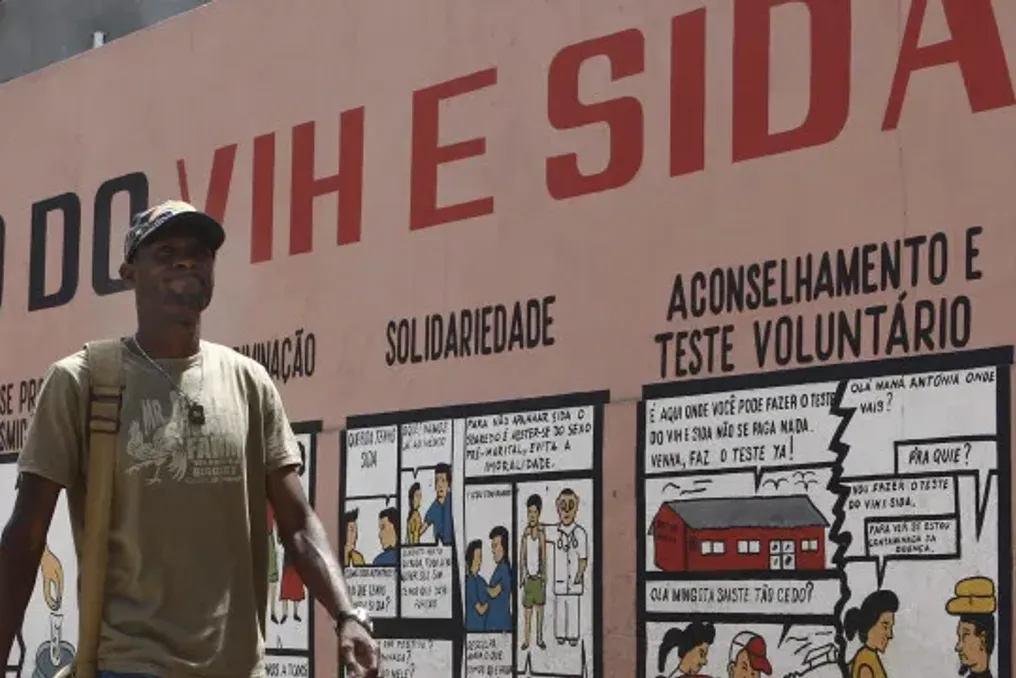
HIV/AIDS continues to rise in Angola: 21 thousand cases recorded annually

HIV infections in Angola continue to increase, reaching a level of about 21 thousand cases annually, as announced today in Luanda by the president of ANASO—the Network of Angolan organizations and services for HIV/AIDS, tuberculosis, and malaria.

Speaking at the national HIV/AIDS forum in Angola, António Coelho emphasized that the situation remains worrying, as it could become alarming if appropriate measures are not taken.

A source quoted by the Angolan news agency ANGOP noted that less than half of people living with HIV/AIDS receive antiretroviral treatment. He added that the government faces serious difficulties in providing necessary medications.

The leader criticized the political leadership, pointing out that the national commission 'is functioning sluggishly.' The President of ANASO also stated that high levels of stigma and discrimination persist, which prompts many people to refuse treatment.

Currently, 370 thousand people living with HIV (Human Immunodeficiency Virus) are registered in Angola, of whom 60% are aged between 15 and 24, and half of them undergo antiretroviral therapy.

Multidimensional Poverty Index reveals that 13 million Angolan children live in conditions of deprivation
Read more
noticiasaominuto.com

Multidimensional Poverty Index reveals that 13 million Angolan children live in conditions of deprivation

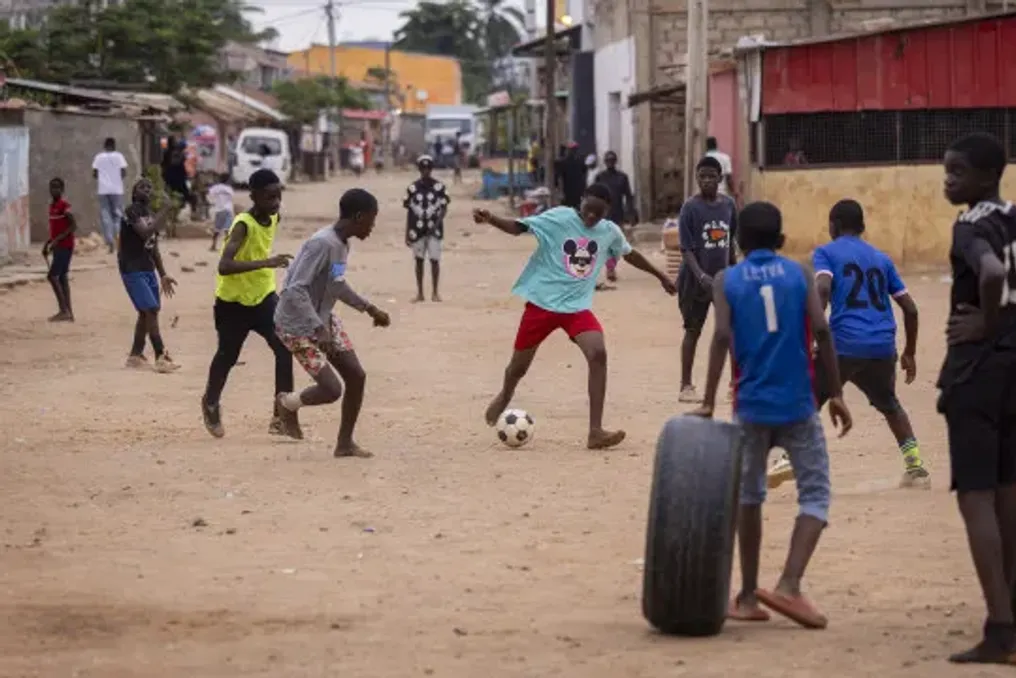
According to the Multidimensional Poverty Index released in Luanda, Angola has approximately 13 million children facing various deprivations beyond financial scarcity, covering sectors such as nutrition, education, and access to clean water.

This statistical study, conducted for the first time in the country, details the situation of women and children during the 2023/2024 period, presenting both national and specific data.

The report indicates that about 44.8% of Angola's 36 million people are in a state of multidimensional poverty, being deprived not only of income but also of essential services such as sanitation, electricity, health, housing, and education.

Joel Futi, president of the National Institute of Statistics (INE), emphasized that this data allows for a deeper understanding of the deprivations directly affecting children and women. He specified that 69% of children, totaling 12.8 million, live in multidimensional poverty, with the main deficiencies related to access to vaccination and disease prevention, cognitive development, and housing.

Regarding women, more than 59% are in multidimensional poverty, with the greatest deprivations identified as financial autonomy, access to sanitation, and housing.

Futi stressed the urgency of increasing investments in primary education, maternal and child health care, social protection, promotion of equality, and female economic autonomy. Although the Index results show progress, moving from 52% in 2015/2016 to 44.8% in 2023/2024, he admitted that significant challenges persist, especially in rural areas and in the fields of health, education, sanitation, employment, electricity, and clean water.

The document was classified by the President of INE as a fundamental strategic instrument for understanding Angola's social reality and guiding public policies aimed at reducing poverty and social inequalities, which remain a major challenge in the country. It was emphasized that the report serves as a support tool, and not merely as a statistical publication.

The Multidimensional Poverty Index 2023/2024 was developed by INE in collaboration with the Oxford Poverty and Human Development Initiative (OPHI), the United Nations Children's Fund (UNICEF), and the United Nations Development Programme (UNDP).

Louise Moreira Daniels, UNICEF representative at the ceremony, underlined the importance of the progress made by Angola with this instrument, stating that nutritional deprivation or lack of schooling leaves permanent marks on children, making it vital for Angola to have an official metric for child poverty.

Gabriel Dava, representing UNDP, highlighted that the primary value of the report lies in helping Angola answer crucial questions, such as identifying who is falling behind in development, where the greatest deprivations occur, and where efforts and investments should be concentrated to generate greater impact.

Popular