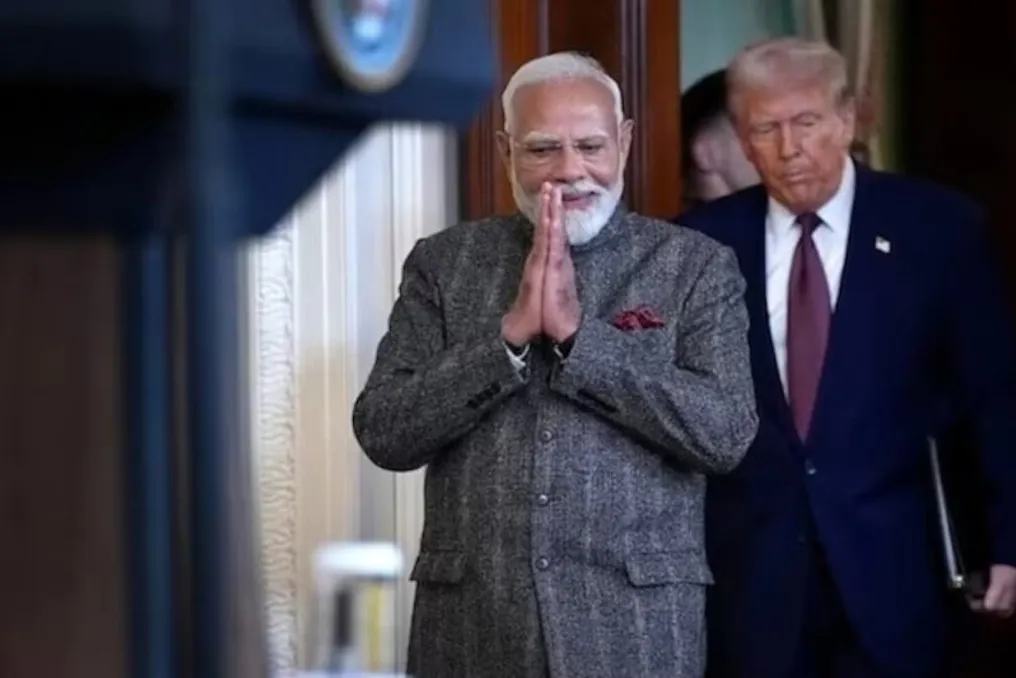
MeitY Secretary states that US chip export restrictions will not significantly affect India
Read more
The times of India
timesofindia.indiatimes.com

MeitY Secretary states that US chip export restrictions will not significantly affect India

The Ministry of Electronics and Information Technology (MeitY) stated that the tightening of American restrictions on advanced chip exports is unlikely to have significant consequences for India.

MeitY Secretary S. Krishnanu stated that the imposed restrictions on chip supplies to data centers do not apply to India, as the country is considered a 'trusted partner.' He emphasized: 'I do not think there is any significant impact on India... The restrictions on chip supply to data centers do not apply to Indian data centers, and I believe India is considered a trusted partner.'

The United States has tightened export controls on advanced chips for artificial intelligence to prevent sensitive semiconductor technologies from reaching countries and organizations deemed security threats. These measures aim to regulate access to high-performance computing power, especially against the backdrop of growing demand for advanced chips due to the expansion of data center and artificial intelligence infrastructure.

Regarding the Indian Semiconductor Mission (ISM) 2.0 program, Krishnanu reported that over two hundred companies have expressed interest and registered to participate in this program. He added that these companies are currently preparing their detailed applications.

Furthermore, Krishnanu highlighted the Chariot One initiative—a text-to-speech AI model developed by two Stanford University graduates from India. He called this development a source of national pride. The text-to-speech technology is used in voice assistants, digital accessibility tools, and AI-based communication services.

Similar stories

India cautiously monitors Shenzhen summit amid strategic issues and potential confirmation of its stance
Read more
timesofindia.indiatimes.com

India cautiously monitors Shenzhen summit amid strategic issues and potential confirmation of its stance

Although the Shenzhen summit may not signify a crisis for India, the government is closely tracking the likely outcomes of the meeting. India recognizes the potential of this summit to alter several dynamics that it manages daily in relations with the US, China, and Russia.

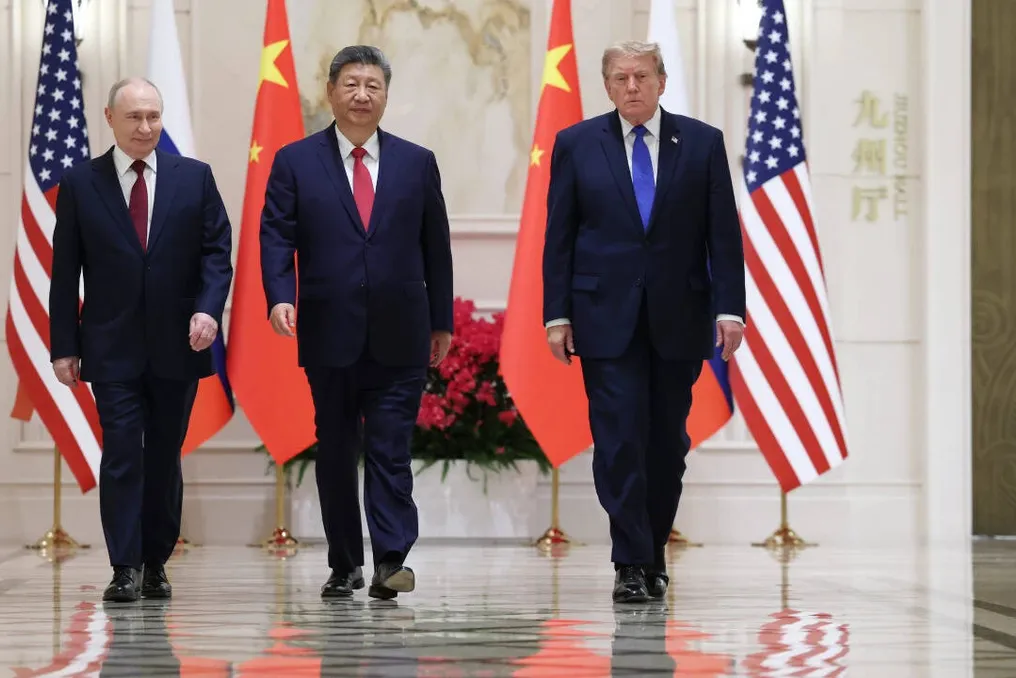
There was no official response from India regarding the 'historic' 90-minute meeting held in China's technology hub between President Donald Trump and his Chinese and Russian counterparts—Xi Jinping and Vladimir Putin. However, official sources reported that India is observing the summit and its consequences with strategic caution.

This meeting, which Chinese state media characterized as positive and highly productive, concluded with a declaration. It affirmed commitment to UN reforms, more effective global problem-solving, ensuring energy flow stability, and reducing nuclear risk, as well as countering the 'abuse' of the International Criminal Court's (ICC) jurisdiction, which issued an arrest warrant for Putin. India is not a party to the ICC and maintains a safe distance from it.

Key pillars of India's foreign policy in a world engulfed in conflicts are UN reform, focusing on expanding permanent members of the Security Council, and ensuring stable and predictable energy supplies. Any hint of urgency regarding UN reforms is viewed as a positive development. Nevertheless, India is reluctant to believe that the call to align with the UN's 'fundamental mission' of peace and security is merely empty words.

India attributes the delay in Security Council and foreign affairs reforms to the five permanent members (P5). Foreign Minister S. Jaishankar accused these countries of short-sightedness due to their refusal to weaken their powers.

The emphasis on stable energy flows lends some diplomatic validity to India's position that purchasing Russian oil contributed to stabilizing global energy markets. It is also important that the declaration mentions expanding the production and supply of refined petroleum products, as India is becoming a crucial refining center, processing Russian crude oil. For India, any possible softening of the US's hardline stance on India's energy policy would be a welcome step.

The declaration's assertion against nuclear war also aligns with India's core nuclear doctrine. India welcomed such phrasing in the P5 joint statement in 2022, noting that it creates a security environment conducive to global disarmament.

In the long term, there are concerns that India might worry about the potential consequences of this meeting. Answers to these questions may lie in strengthening its strategic autonomy and multilateral partnerships. Despite time-tested ties with Russia, a cartel of great powers or the Group of Three (G3), acting as an exclusive club for managing world affairs, may not align with India's focus on a multipolar world and multipolar Asia, nor its efforts to involve the Global South in decision-making.

The meeting did not contain direct mention of the wars in the Middle East and Ukraine, where India is interested in a swift resolution and even proposed maritime security, working to ensure sea lanes in the Strait of Hormuz. India asserted that the Global South cannot remain a helpless spectator and must play a role in shaping peaceful resolutions to conflicts that most affect the developing world.

While much attention is paid to the signal the US sends to China through the Manila Quad summit, India understands that it must remain vigilant regarding the implications of the US-China agreement. Any understanding between Washington and Beijing that disrupts the balance in the Indo-Pacific region may not be in India's interest. Even the Quad summit took place two years later and only on the sidelines of a multilateral event.
Deal between India and the US depends on tariff reductions and completion of investigations
Read more
www.aajtak.in

Deal between India and the US depends on tariff reductions and completion of investigations

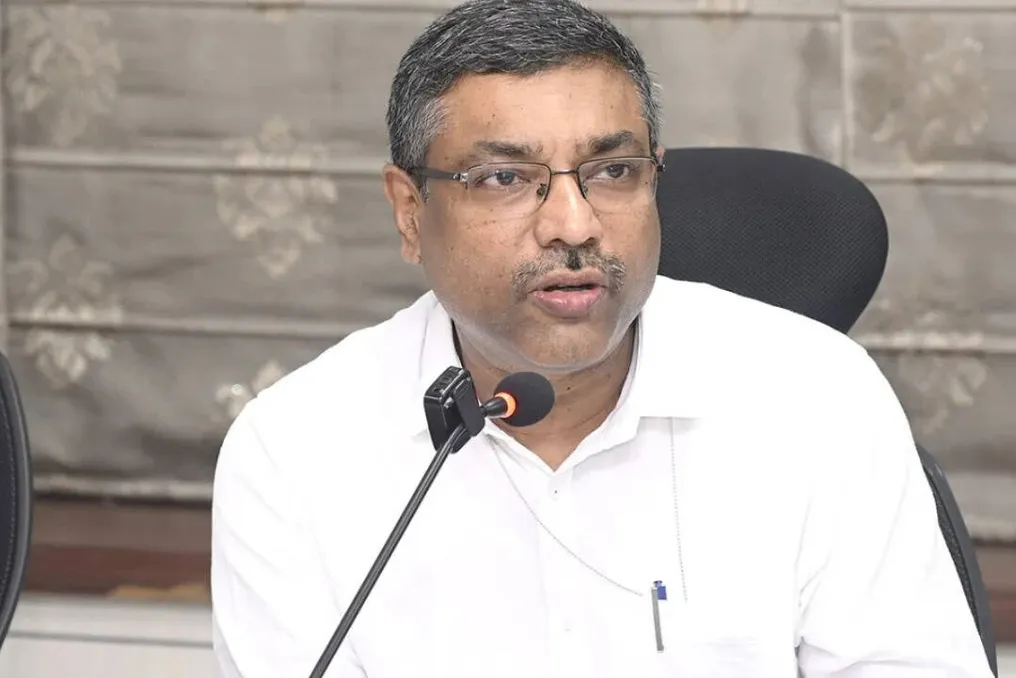
Important information has emerged regarding the trade agreement between India and the United States. Government Secretary for Trade Rajesh Agrawal stated that the deal with the US will not happen until the investigation by America is completed and clarity is achieved on tariff issues.

At the FICCI event, he reported that although the general structure and framework of this agreement were determined and announced back in February, the legal draft is in the final stage of negotiations and will soon be concluded.

However, Agrawal emphasized that there is an issue: the initial announcement of the deal was made with certain tariffs that were subsequently overturned by the US Supreme Court. Currently, America is developing a new tariff structure.

He specified that signing the agreement is impossible until this new tariff system comes into effect, as the previous structure provided different comparative advantages to various countries. Therefore, the signing process may take some time despite efforts to conclude negotiations quickly.

Furthermore, Agrawal mentioned that investigations are underway in the US against India and several other countries under 'Section 301'. India awaits the results of these checks, as any country would want an agreement that clarifies the progress of these investigations. He believes the agreement will only be finalized and signed after these reviews are complete.

Nevertheless, he assured that negotiations are moving forward, and as the minister noted, they are very close to completion. It was stated that almost all aspects of the agreement have been finalized.

As part of this agreement, India negotiated to achieve favorable terms. At the beginning of this month, a joint team of American officials visited India to discuss trade and customs procedures. Both sides continue close interaction to finalize the first phase of the bilateral trade agreement (BTA).

Despite the structure of the first phase being agreed upon in February, changes in tariff policy force the parties to resume negotiations. India aims for tariffs on its goods in the American market to be lower than those of competitors such as Bangladesh, Vietnam, and Cambodia. The US introduced an additional import duty of 10 percent on goods from India and other countries starting July 24. This step was taken by the US following an investigation into forced labor issues under Section 301 of the US Trade Act of 1974, and this duty applies in addition to existing MFN (Most Favored Nation) rates.

Popular