Netflix series from Pakistan sparks controversy in India amid strained relations between the countries
Read more
Khaleej Times
www.khaleejtimes.com

Netflix series from Pakistan sparks controversy in India amid strained relations between the countries

The release of the trailer for the Pakistani original Netflix series 'Jo Bachay Hain Sang Samait Lo' has sparked a wave of criticism in India. Due to the escalating tensions between the two sworn rivals, calls have arisen to ban both Pakistani series. However, some users have questioned this reaction, labeling it as selective criticism against Pakistani entertainment content.

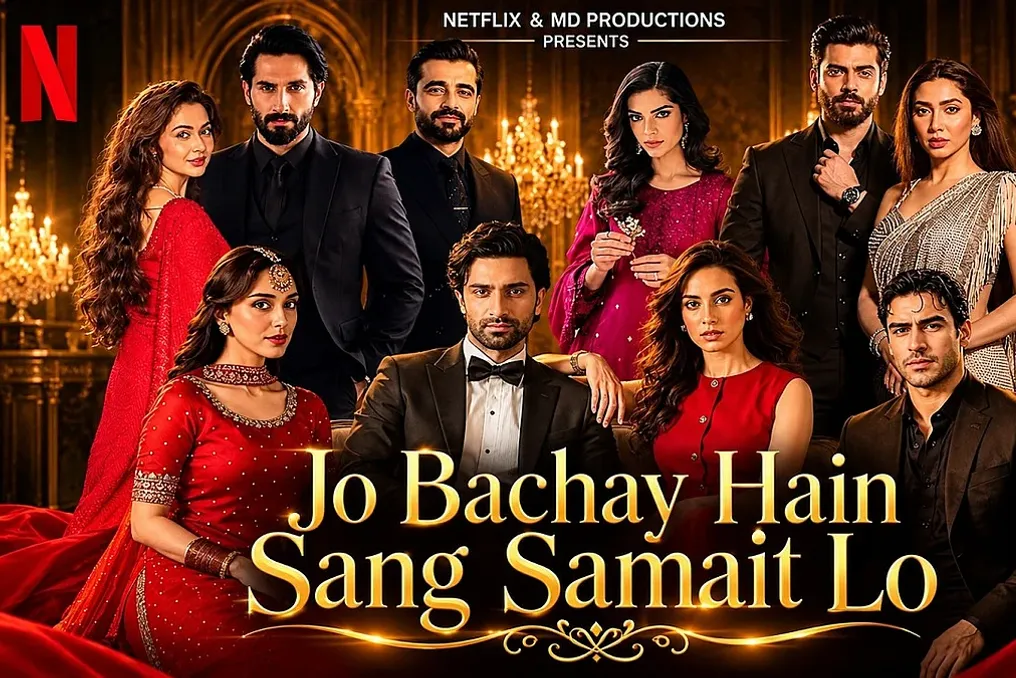
Netflix released the trailer for its first original series from Pakistan, 'Jo Bachay Hain Sang Samait Lo,' internationally known as 'All the Love Our Hearts Carry.' The series features a star-studded cast of leading Pakistani actors, including Fawad Khan, Mahira Khan, Sanam Saeed, Hania Mir, and Ahad Raza Mir. Its release is scheduled for December 4th. The trailer was accompanied by the slogan: 'Three generations, 6 love stories, and one question: is the love we carry in our hearts enough?'

As soon as the trailer appeared on the platform, many Indians demanded that the show be banned in the country. Ashok Pandit, a filmographer and chief advisor to the West Indian Film Industry Federation, also called on the government to halt the broadcast of the show.

The Association of Film Workers across India sent a letter to Prime Minister Narendra Modi demanding the blocking of the series' release in the country. Furthermore, many Indians are dissatisfied with the screening of the Pakistani drama 'Dar-e-Nijaat' in cafes in the capital Delhi, as well as in Bengaluru and Lucknow. This series, which premiered on ARY Digital Pakistan featuring Sheheryar Munawar, Durafishan Salim, and Naeemar Nawaz Khan, is available on YouTube, where Indian viewers watch it despite restrictions.

Supporters of both series defended them, arguing that art knows no borders, and accused critics of selectivity, especially considering that India and Pakistan continue to face each other in international tennis tournaments. Many also pointed out the obvious double standard, referencing Jay Shah, the head of the BCCI and son of Indian Home Minister Amit Shah, and the revenue generated from Indo-Pakistani cricket matches.

One user wrote on X: 'When Jay Shah earns crores from Indo-Pakistani cricket matches, it's 'sport'; but when a web series comes out on Netflix, it suddenly insults martyrs.' Another user questioned the selectivity, asking why such objections were not raised every time India and Pakistan played.

India and Pakistan have been sworn rivals since the partition of the subcontinent in 1947 after gaining independence from British colonial rule. Both nations have fought three wars and were on the brink of a new conflict in February 2019 after India conducted airstrikes on Pakistani territory in Balakot, followed by retaliatory attacks by Pakistani fighters and the downing of an Indian aircraft.

Last May, the two countries clashed again in military confrontation, a month after the terrorist attack in Pahalgam in Kashmir, which killed 25 tourists and a pony driver. Both sides view each other with suspicion, and diplomatic and trade relations remain tense, mainly due to the disputed region of Kashmir, over which both countries claim full sovereignty but only control parts.

Pakistani singers and artists historically performed in Bollywood films and enjoyed respect in India's artistic circles; however, following the terrorist attack on a military camp in Uri, Kashmir, in 2016, which resulted in the deaths of at least 19 service members, they were unofficially banned from performing in the country. New Delhi vowed revenge for the attack and conducted airstrikes under Operation Sindoor, named after widows who lost their husbands in the April 22 attack. The Ministry of Information and Broadcasting of India subsequently directed OTT platforms, streaming services, and digital intermediaries operating in the country to cease broadcasting all content originating from Pakistan, including web series, films, songs, and podcasts, citing national security concerns. Accounts of several Pakistani actors also became inaccessible to users in India.

The Central Board of Film Certification (CBFC) of India suspended the release of the highly acclaimed blockbuster 'Maula Jatt' in 2022, which was slated for limited release in theaters in Punjab and Delhi. This would have been the first Pakistani film released in India in over ten years, but the release was halted following protests by politicians and ultra-right Hindu groups.
Similar stories

Demand to ban Pakistani content in India grows after Pakistan attack
Read more
www.aajtak.in

Demand to ban Pakistani content in India grows after Pakistan attack

Despite the tragic event—the terrorist attack in Pakistan on April 22, 2025, in Pahalgam, where 26 tourists and one local resident of the Baisaran valley were brutally killed, causing national shock and escalating tensions between India and Pakistan—public resonance regarding Pakistani content has flared up again in India.

Two works are at the center of the current dispute: the Pakistani Netflix series 'Jo Bache Hain Sang Samet Lo' and the screening of the Pakistani drama 'Dar E Nijaat' in Delhi.

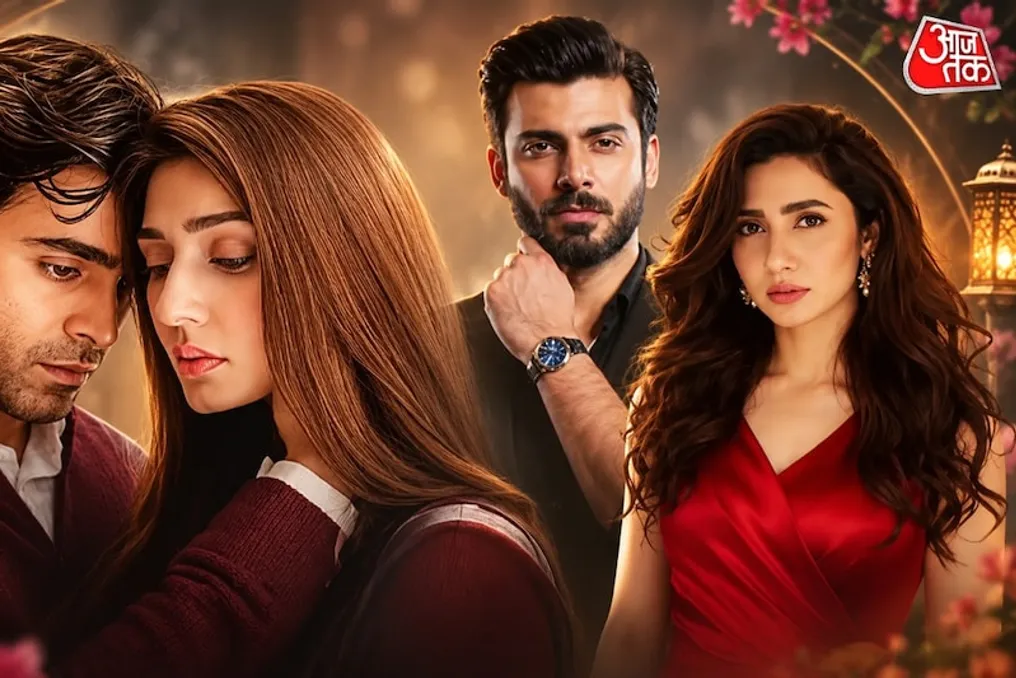
The first subject of criticism is the original Pakistani Netflix series 'Jo Bache Hain Sang Samet Lo'. It features renowned Pakistani actors, including Fawad Khan, Mahira Khan, Ahada Raja Mira, Iqra Aziz, Sanam Saeed, Hania Amir, Hamza Ali Abbasi, and Mai Ali. According to the announcement, the series is set to be released globally on December 4, 2026.

However, opposition began after posters and actor images appeared on social media in India. The question arose as to how such projects can be accessible to the Indian audience, given existing restrictions and official recommendations concerning Pakistani entertainment content following the Pahalgam attack.

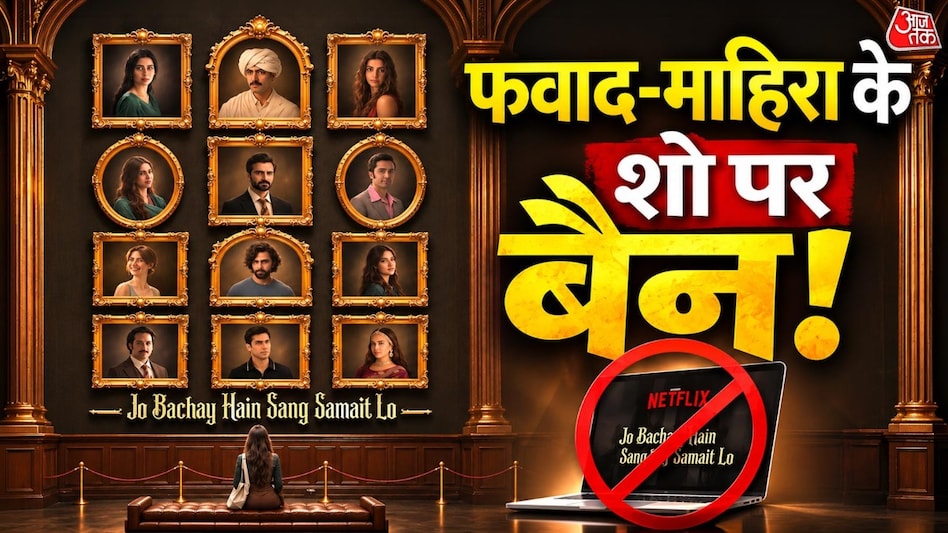
Although Netflix has not yet made an official statement about the release of this series in India, its trailer has recently been released, and posters have been posted on international Netflix accounts. In light of this, the All India Cinema Workers Association (AICWA) sent a letter to Prime Minister Narendra Modi demanding a complete halt to the streaming of this series in India.

One of the reasons for dissatisfaction was also the statements made by Fawad Khan and Mahira Khan regarding Operation Sindoor; reports indicate that Fawad called India's actions 'shameful,' and Mahira described them as a 'cowardly attack.' Thus, the anger of Indian users is linked not only to one web series but also to issues of national dignity and the entertainment industry.

The second dispute concerns the Pakistani drama 'Dar E Nijaat', starring Shahryar Munnuwar, Durafishan Salim, and Namir Nawaz Khan. This series enjoys significant popularity in India. It was broadcast on Ary Digital in Pakistan and is available on YouTube.

Recently, a video surfaced on social media from a cafe in Delhi showing a fan viewing party for this drama. It is reported that the event included an online Q&A session featuring director Sakib Khan.

The viral video divided social media into two camps. Some users questioned why there is such high popularity for Pakistani dramas in India after the Pahalgam attack. Others viewed it as contrary to the nation's sentiments and demanded a ban on such screenings. Meanwhile, some considered the meeting proof of the popularity of Pakistani dramas.

The author believes that this issue goes beyond simple viewing or abstaining from watching the drama. After events like the Pahalgam attack, it is crucial to understand people's anger and feelings. When relations between countries are under such strained conditions, it is natural to raise questions about another country's entertainment industry.

Nevertheless, it is acknowledged that viewers' tastes cannot be entirely controlled solely through social media anger. The question also arises: if content is banned in India, will people continue to watch it through other platforms or methods? And can the withdrawal of online support completely destroy the show's popularity?

Currently, there is no clear information regarding the Netflix series release in India, nor have there been official statements about the screening in the Delhi cafe. However, this dispute over Pakistani dramas has once again sparked an important discussion about the intersection of entertainment, politics, patriotism, and viewer choice.

AICWA demands ban on Pakistani series airing on Netflix in India
Read more
www.aajtak.in

AICWA demands ban on Pakistani series airing on Netflix in India

A dispute has arisen surrounding a multi-star web series from Pakistan airing on Netflix, leading to demands for its ban in India. The All India Cinema Workers Association (AICWA) sent a letter to Prime Minister Narendra Modi demanding the halt of this Pakistani show's release in India.

Pakistani cinema, known as Lollywood, is preparing to release a major project on the Netflix platform, which will soon be available worldwide. It features renowned Pakistani actors such as Mahira Khan, Fawad Khan, and Hania Amir. However, there is a threat of this show being banned in India.

The AICWA appealed to Prime Minister Narendra Modi to completely prohibit the screening of this series in India. The organization urged the government to strictly enforce directives issued last year regarding Pakistani content. In its statement, AICWA declared that terrorism should not be applauded, and that the country must be prioritized.

The association strongly requested Prime Minister Narendra Modi not to allow the series 'Bachae Hain Sang Samait Lo' to be released on Netflix in India on December 4, 2026. AICWA labeled Pakistan a terrorist country and stated that its series, films, songs, podcasts, and any other content should not appear on Indian screens. Furthermore, AICWA demanded the creation of a strong and permanent law with the harshest penalties.

AICWA also addressed Netflix India and all other OTT platforms, calling for them never to show any Pakistani content in India. In support of its demands, the association referenced the advisory notification from the Ministry of Information and Broadcasting dated May 8, 2025, which was issued after the Pahalgam attack and instructed OTT platforms and digital media to cease streaming Pakistani content.

In the organization's view, if Netflix begins broadcasting this series in India, it would contradict the spirit of the government notification and the sentiments of the people. AICWA demanded that the central government ensure strict adherence to these guidelines across all streaming platforms, and called for the creation of a permanent law to take action against the broadcast of Pakistani products on television, OTT platforms, and in cinemas.

The series 'Jo Bachae Hain Sang Samait Lo' is based on Urdu language bestsellers written by the renowned writer Farahat Istiaq. This novel was first published as a series in the magazine Khawateen Digest in 2009 and later released as a book in 2013. The series will present six love stories spanning three generations. Production is handled by Mominah Durad Films, with Mominah Durad serving as the showrunner. Filming took place in Pakistan, Italy, and the United Kingdom.

Besides Fawad Khan, Mahira Khan, and Hania Amir, important roles in the series will be played by Pakistani actors such as Ahad Raza Mir and Hamza Ali Abbasi. The cast also includes Ahmed Ali Akbar, Bilal Ashraf, Maya Ali, Iqra Aziz, Husail Khan, Nadia Jamil, Omair Rana, and Samina Ahmed.

Popular